
3401
Q591112
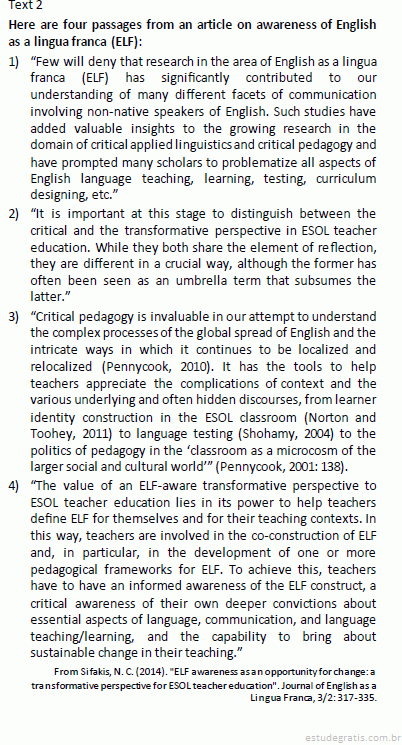 The move from English as a Foreign Language (EFL) to English as a Lingua Franca (ELF) has promoted
 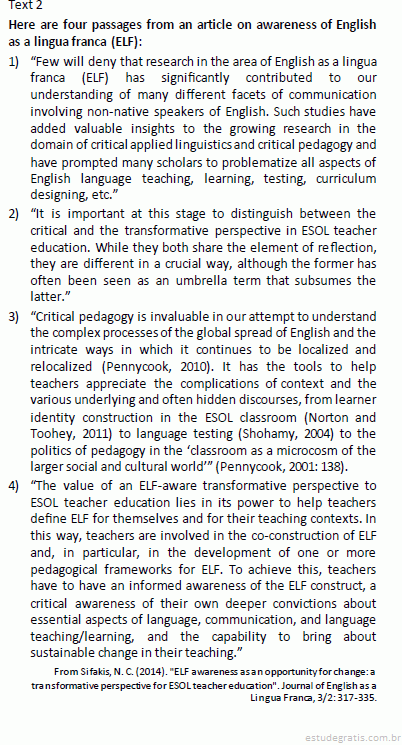 Critical literacy emphasizes the need to use language as a vehicle for social change. One of the strategies a teacher may use for this purpose is
 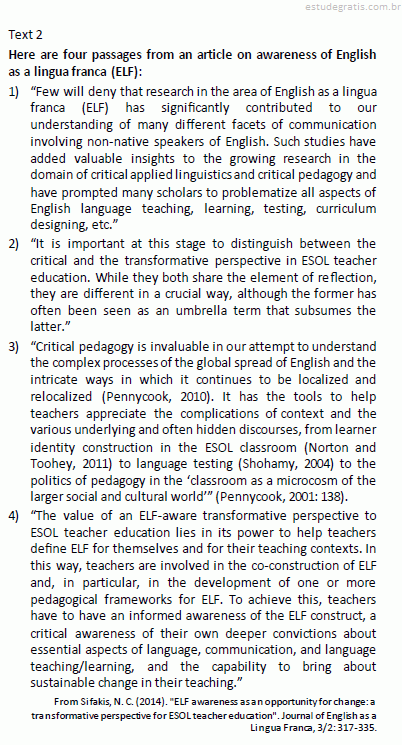 Critical literacy supporters tend to see the discourse of “the now ‘classic’ critical pedagogies of the 80s and 90s” (Jordão, 2013, p. 290) as being
 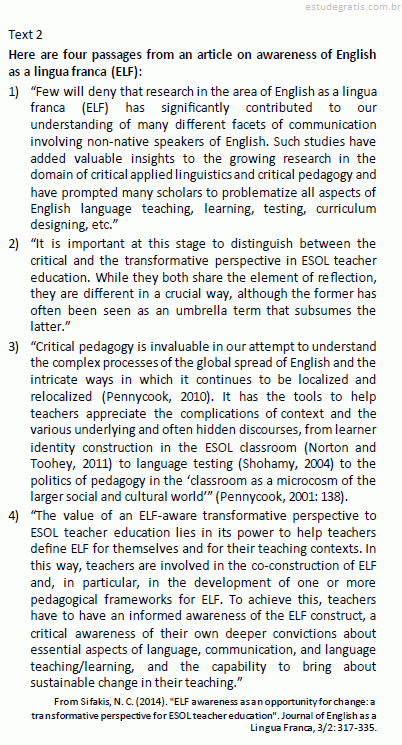 According to Jordão (2013), critical pedagogy differs from structuralist pedagogies because, among other reasons, it
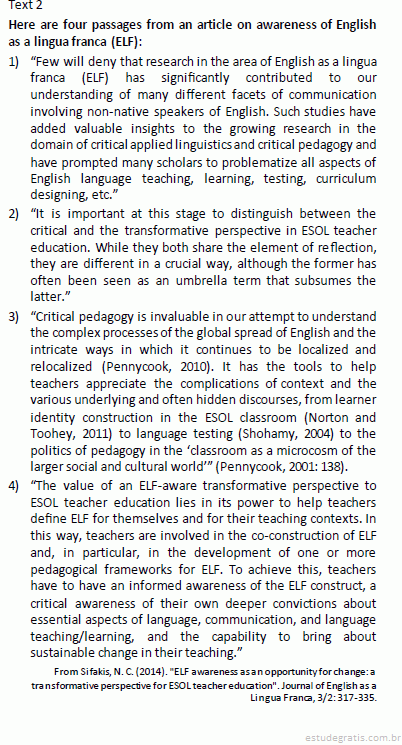
 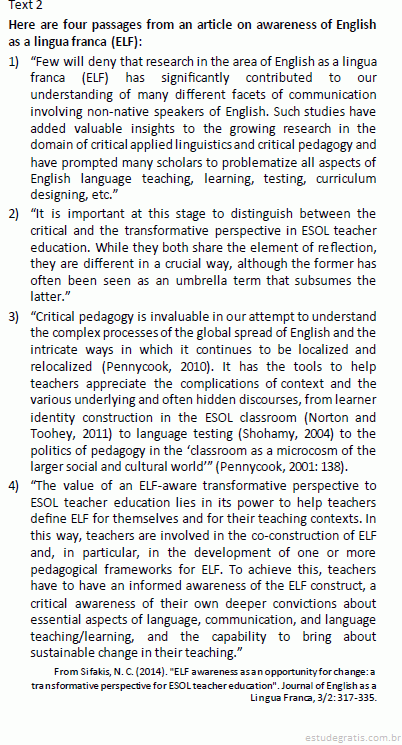 Passage 4 suggests that a transformative perspective to ESOL teacher education requires that teachers become more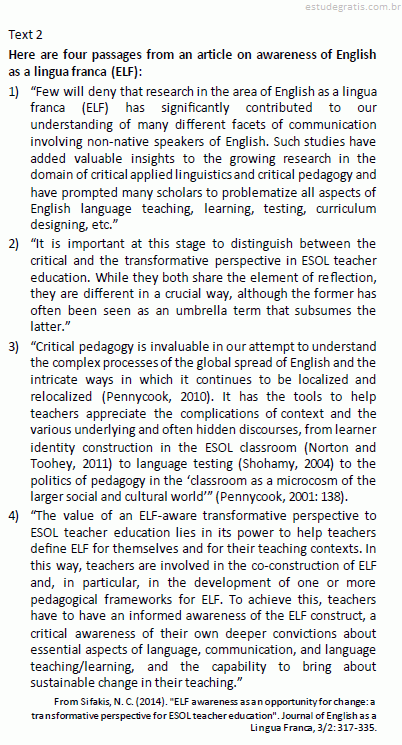
 The digital age has been disrupting the normative structures of education in many ways. According to Bohn (2013, p. 97), one of the challenges language educators now face is
 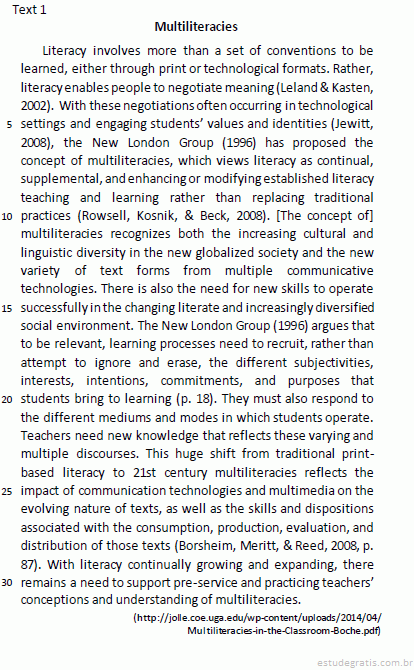 According to Duboc (2016, p. 62), critical literacy differs from critical reading as the former holds that:
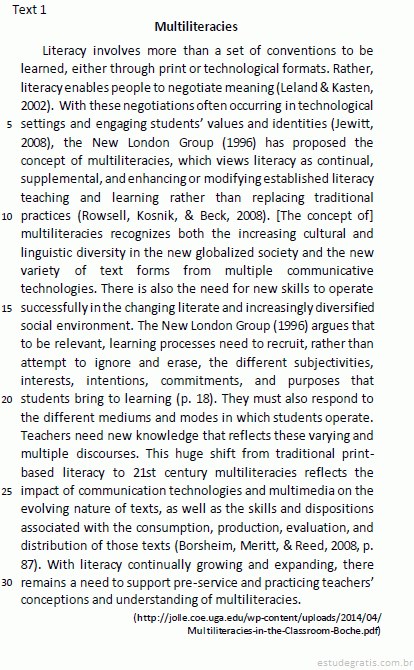
 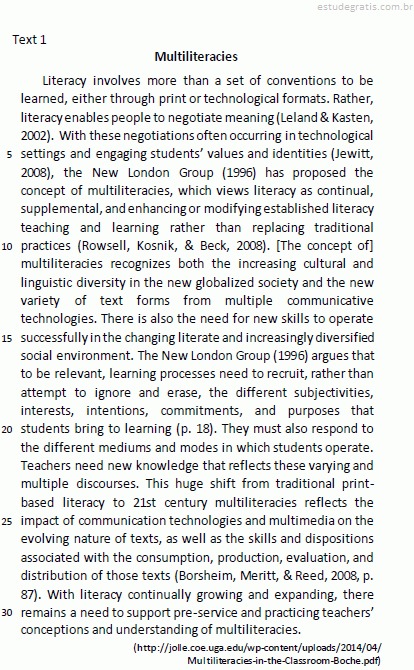 In the passage “To be relevant, learning processes need to recruit, rather than attempt to ignore and erase, the different subjectivities, interests, intentions, commitments, and purposes that students bring to learning” (L.17-20), the author implies that teachers should