According to the text, judge the following items.
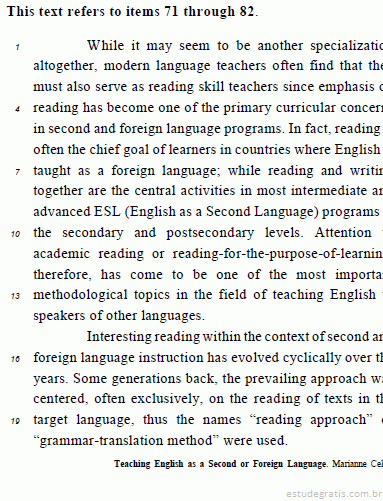
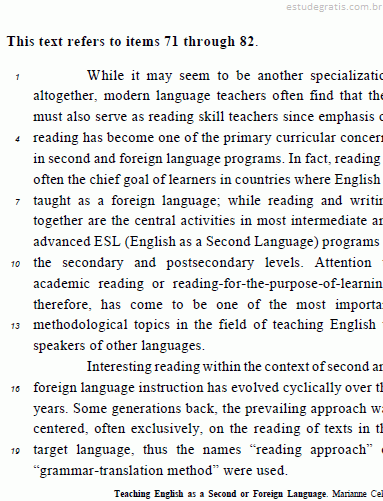
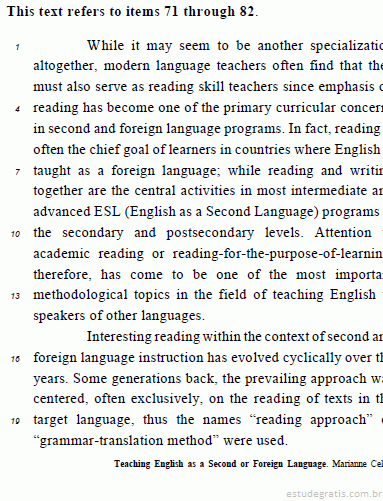
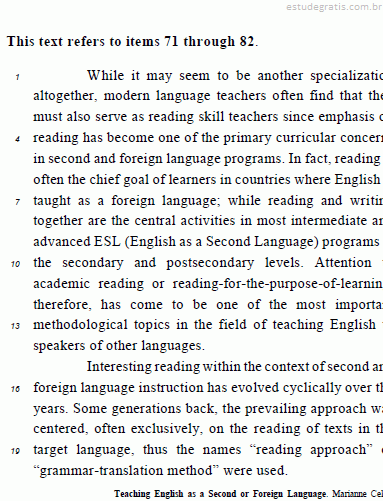
Some time ago, reading was learned based only on texts written in foreign language.
According to the text, judge the following items.
Some time ago, reading was learned based only on texts written in foreign language.
In the text,
“altogether” (l.2) is the same as all together.

In the text,
“reading” (l.4) is a noun.

In the text,
“In fact” (l.5) is synonymous with as a matter of fact.

Based on the text, it can be deduced that
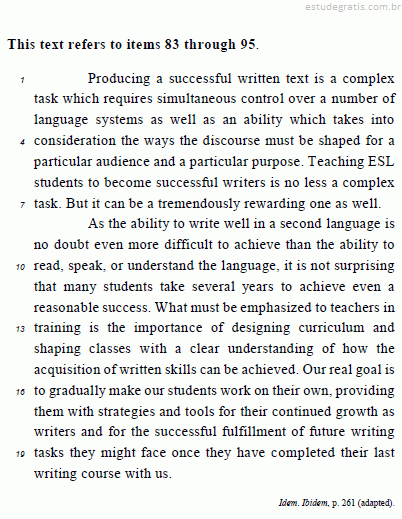
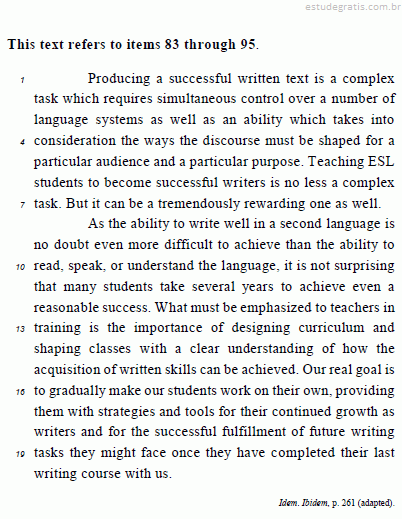
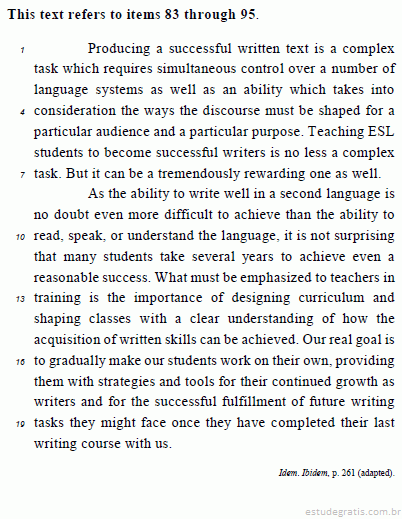
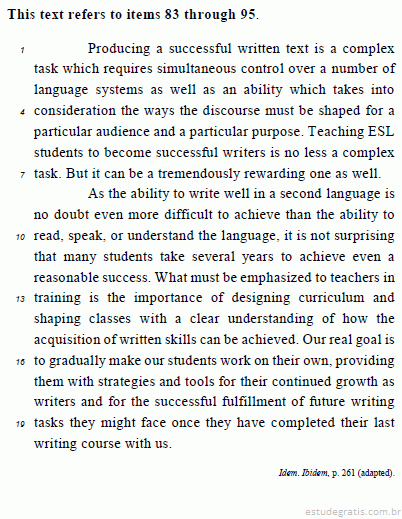
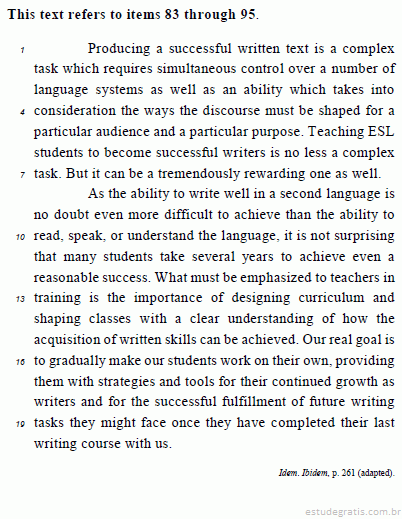
to produce a well-written text is not an easy task.

Based on the text, it can be deduced that
a good writer has to master more than one language system.

Based on the text, it can be deduced that
written discourses ought to keep the same features regardless of those who are going to read it.

Based on the text, it can be deduced that
To write well in a second language requires a lot of training.

Based on the text, it can be deduced that
to write well can be said to be the most complex of the four abilities involved in learning a foreign language.
Based on the text, it can be deduced that
for the typical student, acquiring reading skills is more difficult than learning how to write well.

Based on the text, it can be deduced that
teachers in training must emphasize the importance of curriculum design.

Based on the text, it can be deduced that
teachers should have a clear understanding of how the acquisition of written skills can be achieved when designing curriculum or shaping classes.

Based on the text, it can be deduced that
students ought to be kept away from their teachers to better perform written tasks.

Based on the text, it can be deduced that
students can improve their writing by themselves.

In the text,
“as well” (l.7) is a comparative of equality.

In the text,
“gradually” (l.16) means little by little.

In the text,
“last” (l.19) is the same as latest.

Based on the text, it can be concluded that
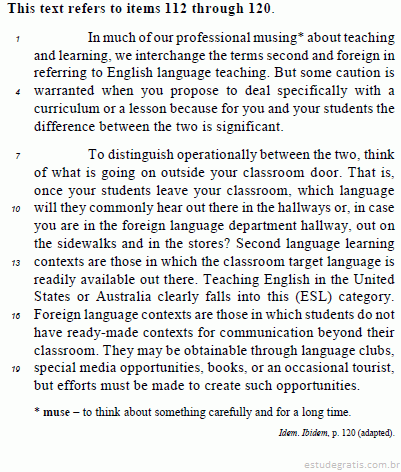
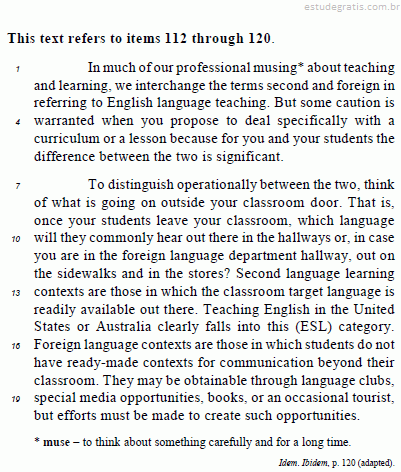
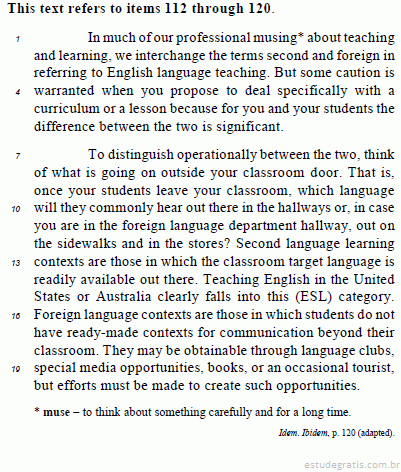
teachers usually make no difference between second and foreign language.
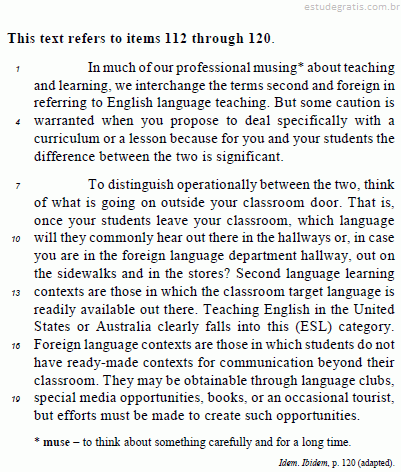
Based on the text, it can be concluded that
even when we are preparing our curriculum or a lesson, the difference between a second and a foreign language is not relevant.

Based on the text, it can be concluded that
a second language is that one you learn in a foreign country where this language is the native language.

Based on the text, it can be concluded that
if you are English and you are learning Portuguese in Brazil, Portuguese will be a second language for you.

Based on the text, it can be concluded that
English learned in Australia can be considered a foreign language.
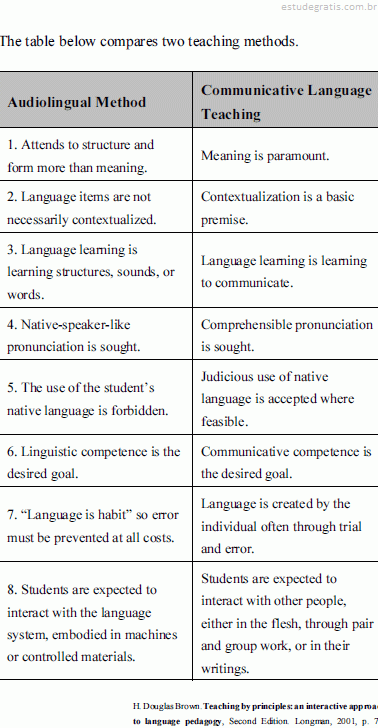
Based on the text, it can be concluded that
a foreign language environment is that one found by a Brazilian learning English in the USA.

In the text,
“readily” (l.14) is synonymous with promptly.

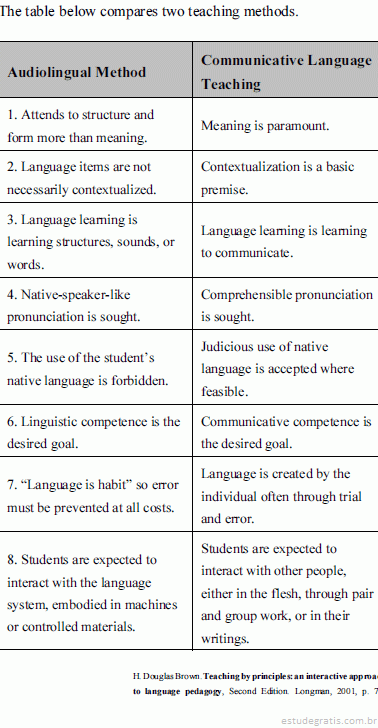
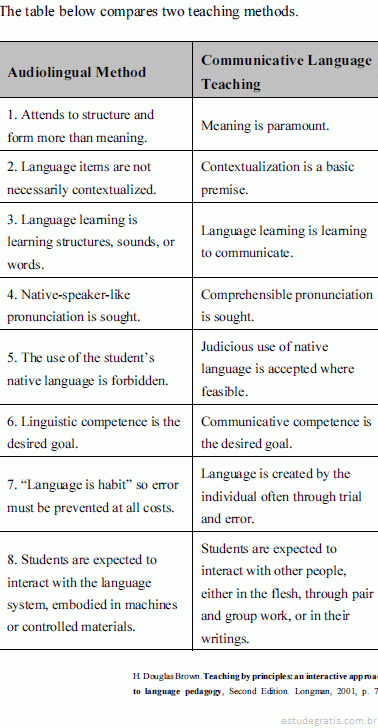
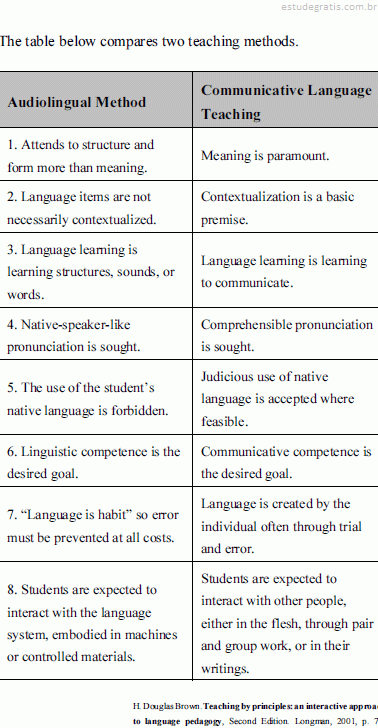
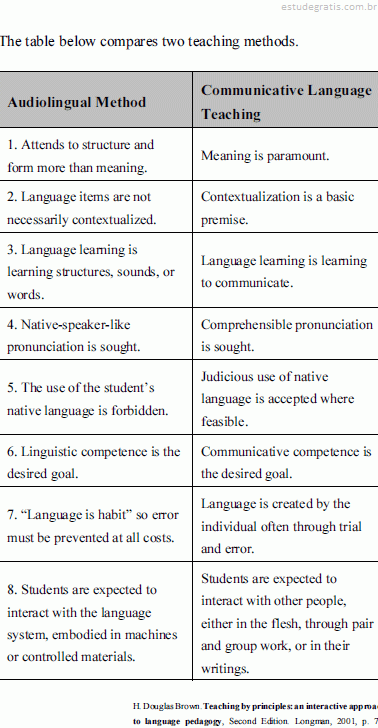
Judge whether the actions proposed in the items below are in accordance with the Communicative Language Teaching approach.
Using the students’ native language in some situations.

Judge whether the actions proposed in the items below are in accordance with the Communicative Language Teaching approach.
Extensive drilling in near-native pronunciation.

Judge whether the actions proposed in the items below are in accordance with the Communicative Language Teaching approach.
Students talking about and concentrating on the forms of language.
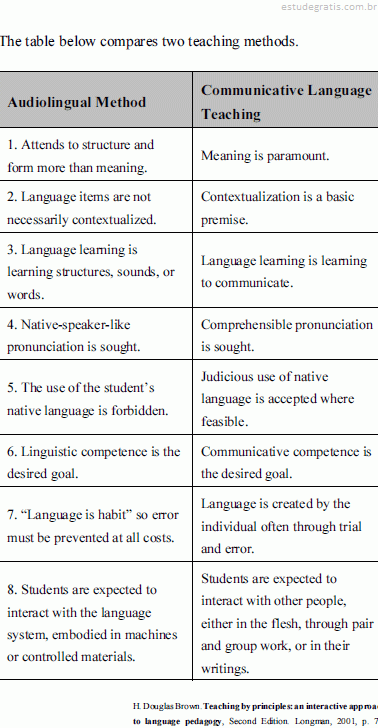
Judge whether the actions proposed in the items below are in accordance with the Communicative Language Teaching approach.
Practicing sentences out of context.

Judge whether the actions proposed in the items below are in accordance with the Communicative Language Teaching approach.
Focusing on accuracy, rather than fluency, as the desired goal.

Judge whether the actions proposed in the items below are in accordance with the Communicative Language Teaching approach.
Using newspaper articles or any other authentic material as part of a lesson.

Judge whether the actions proposed in the items below are in accordance with the Communicative Language Teaching approach.
Accepting that errors are natural in conversation.