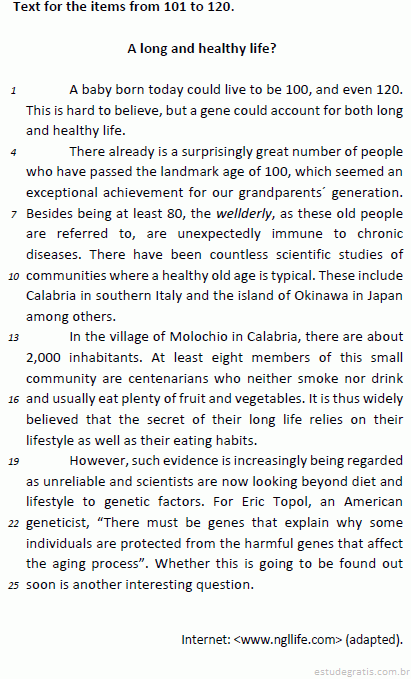
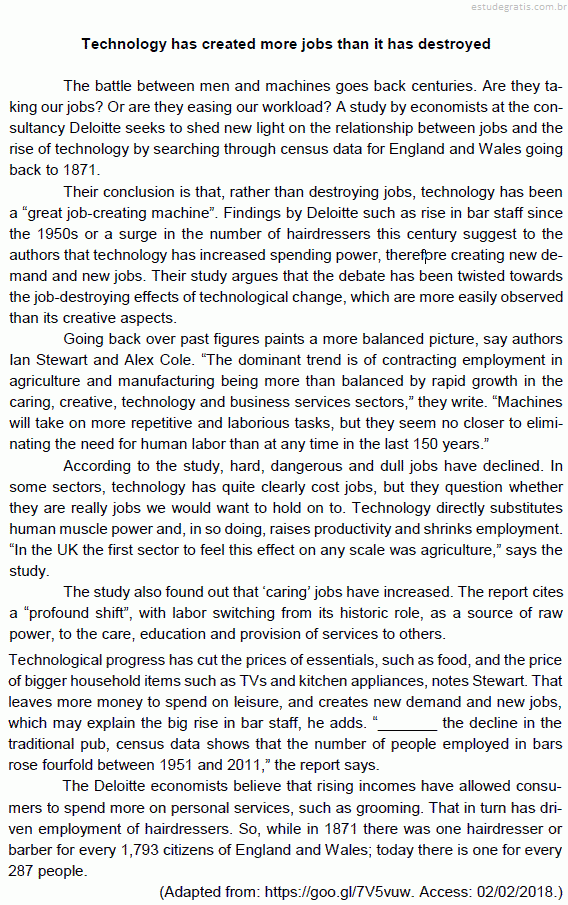
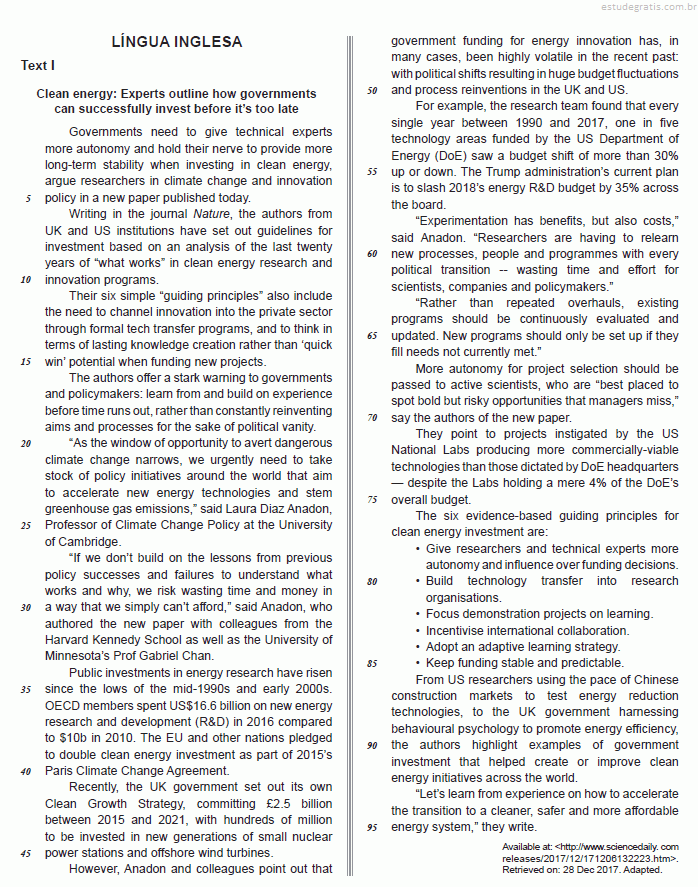
The use of the modal verb may in “which may explain the big rise in bar staff” (paragraph 6) indicates that
5401
Q705889
The use of the modal verb may in “which may explain the big rise in bar staff” (paragraph 6) indicates that
5402
Q705888
Based on the information presented in Text I, the expression in bold type and the item in parenthesis are semantically equivalent in
5403
Q705884

Based on the text, judge the following items.
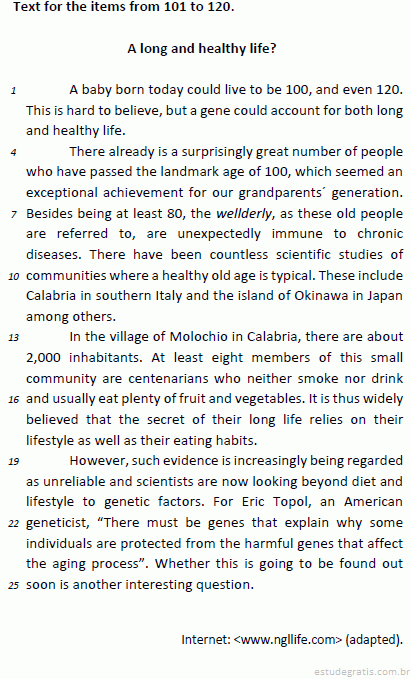
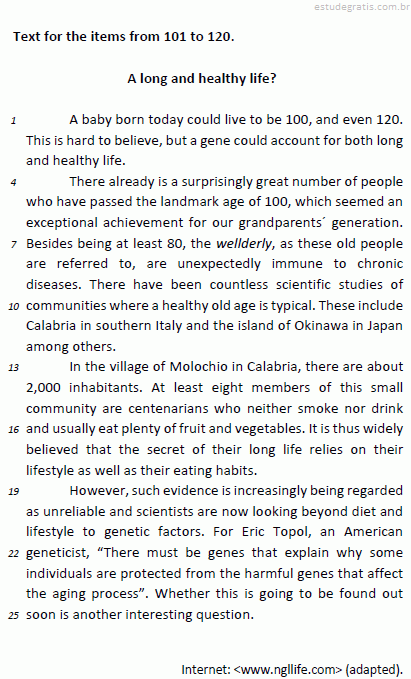
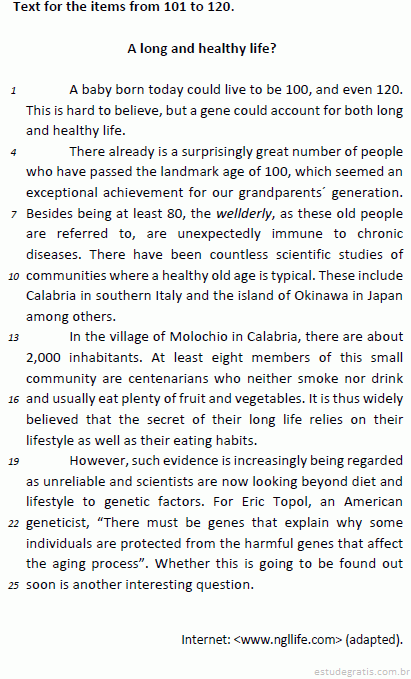
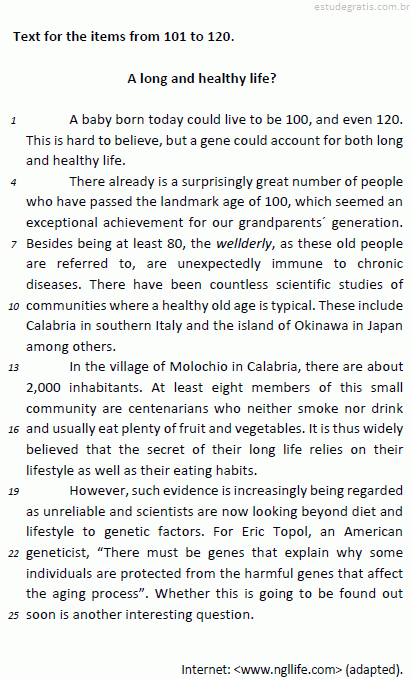
The article “a”, in “but a gene could” (line 2), refers to a specific gene.
5404
Q705883

Based on the text, judge the following items.
The modal auxiliary would can be used instead of “could” in “A baby born today could live” (line 1) without affecting the meaning of the sentence.
5405
Q705882

Based on the text, judge the following items.
Nowadays there are far more centenarians than expected.
5406
Q705881

Based on the text, judge the following items.
“which”, in “which seemed an exceptional achievement” (lines 5 and 6), can be correctly replaced by what.
5407
Q705880

Based on the text, judge the following items.
“Besides”, in “Besides being at least 80” (line 7), and in addition to are synonyms.
5408
Q705879

Based on the text, judge the following items.
“others”, in “among others” (line 12), cannot be correctly replaced by another.
5409
Q705878

Based on the text, judge the following items.
The relative pronoun which is a correct alternative for “who” in “centenarians who neither smoke nor drink” (line 15).
5410
Q705877

Based on the text, judge the following items.
“this”, in “this small community” (lines 14 and 15), is the singular form of these.