441
Q487337
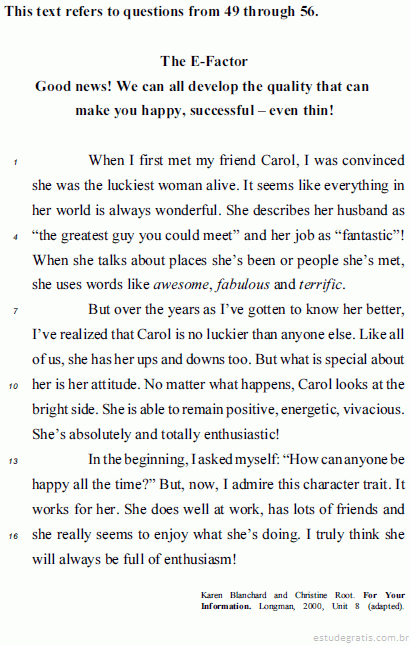
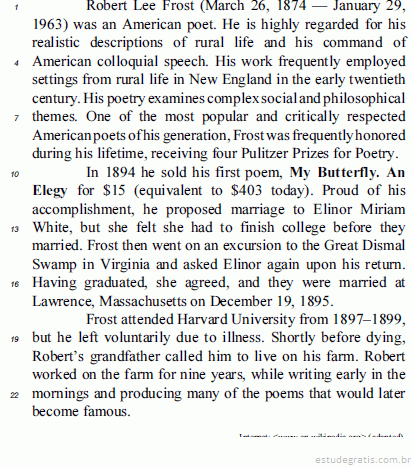
The words “awesome”, “fabulous” and “terrific” (l.6) are
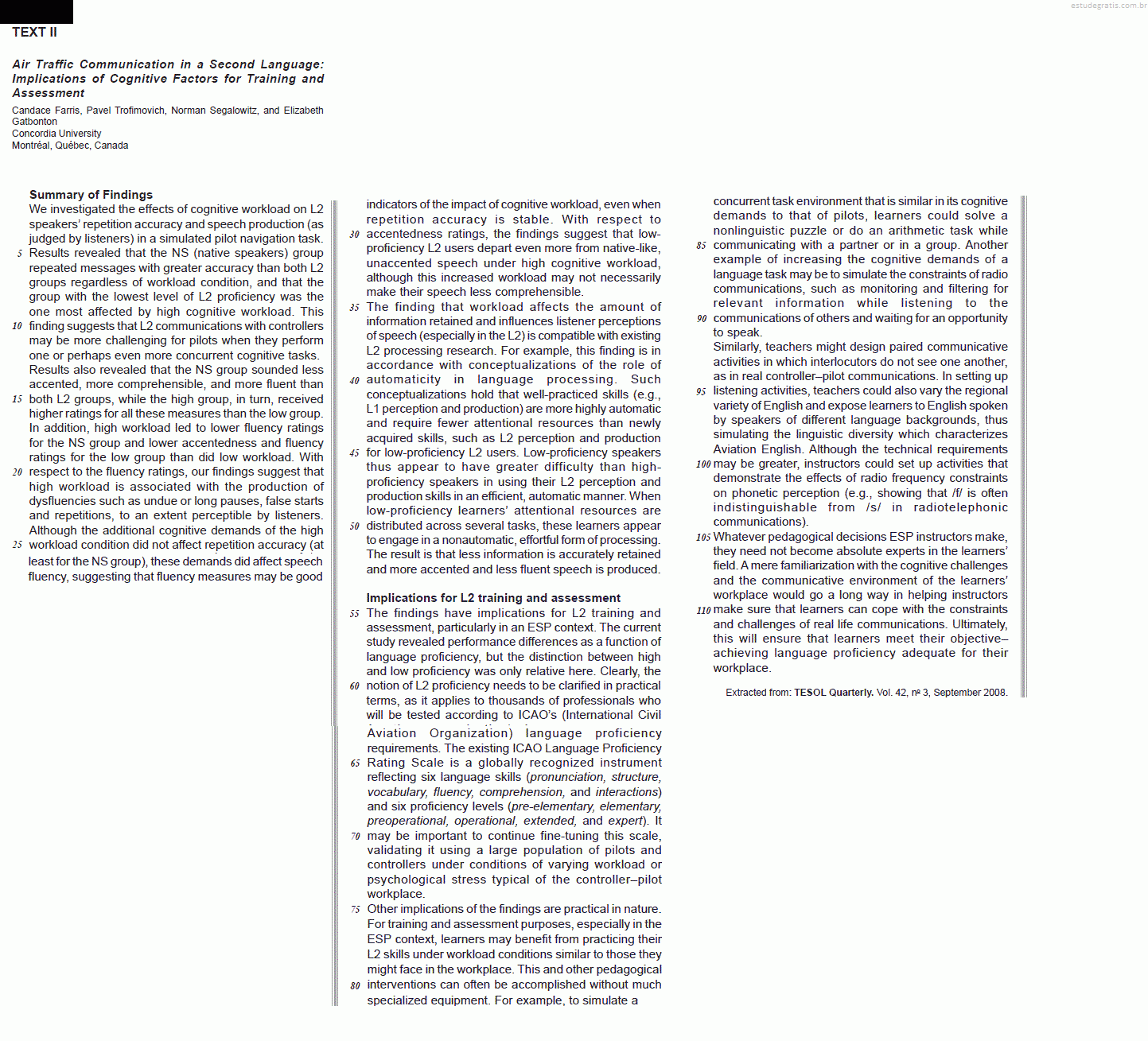
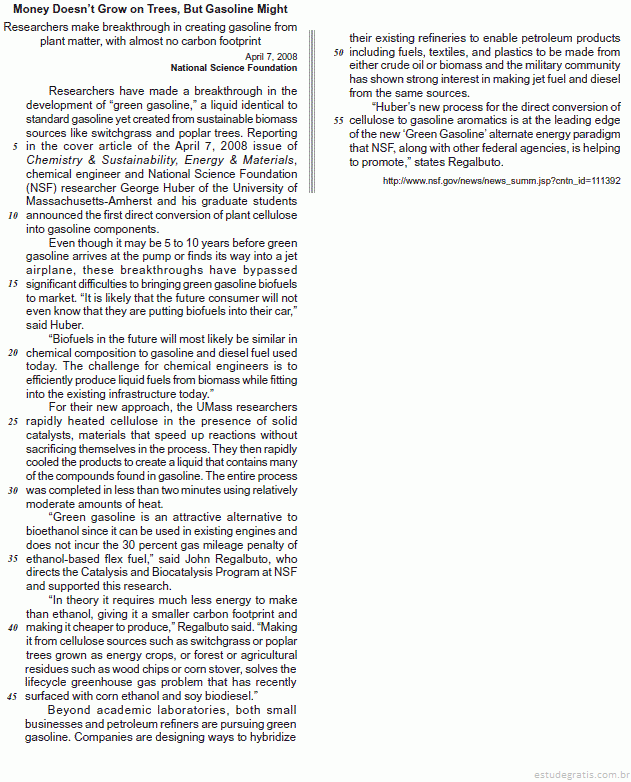
 The excerpt “Many physicists have already swung into action” (lines 8-9, Text II) could be properly completed in
  A oração “Last year’s model was called the iPad” está na voz passiva tanto quanto a oração que está na seguinte opção:
 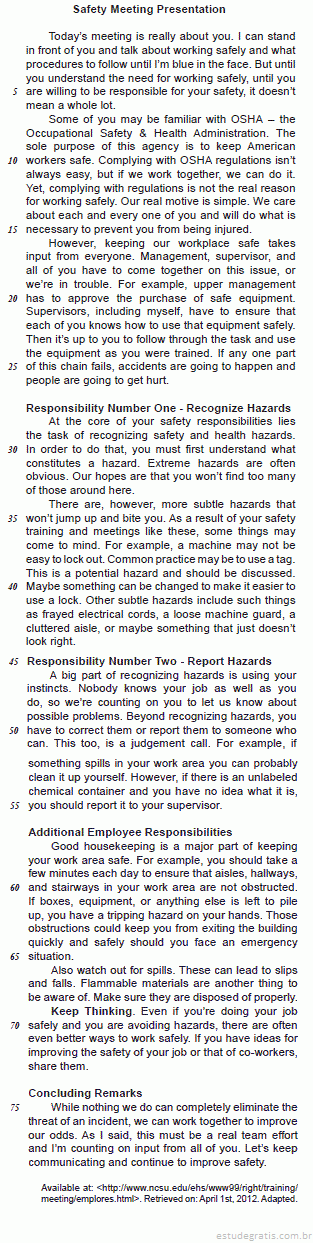 The pronoun “those” in the sentence “Our hopes are that you won’t find too many of those around here.” (lines 32-33) refers to
 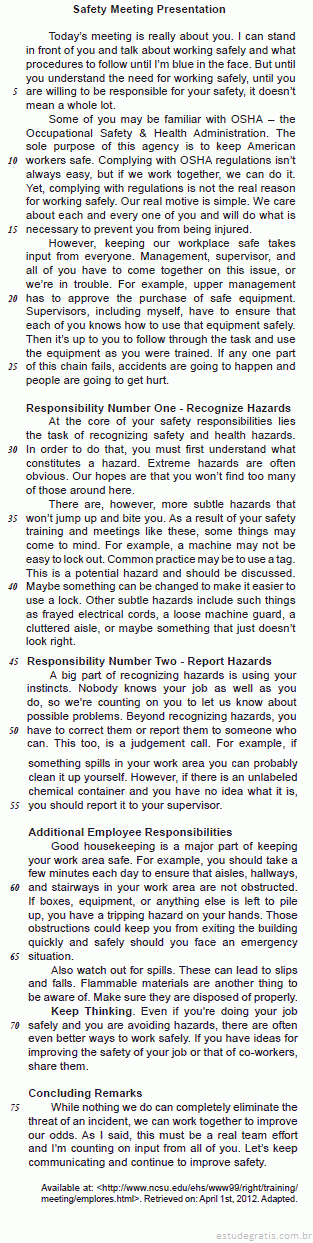 The modal auxiliary in boldface conveys the idea of obligation in the fragment:
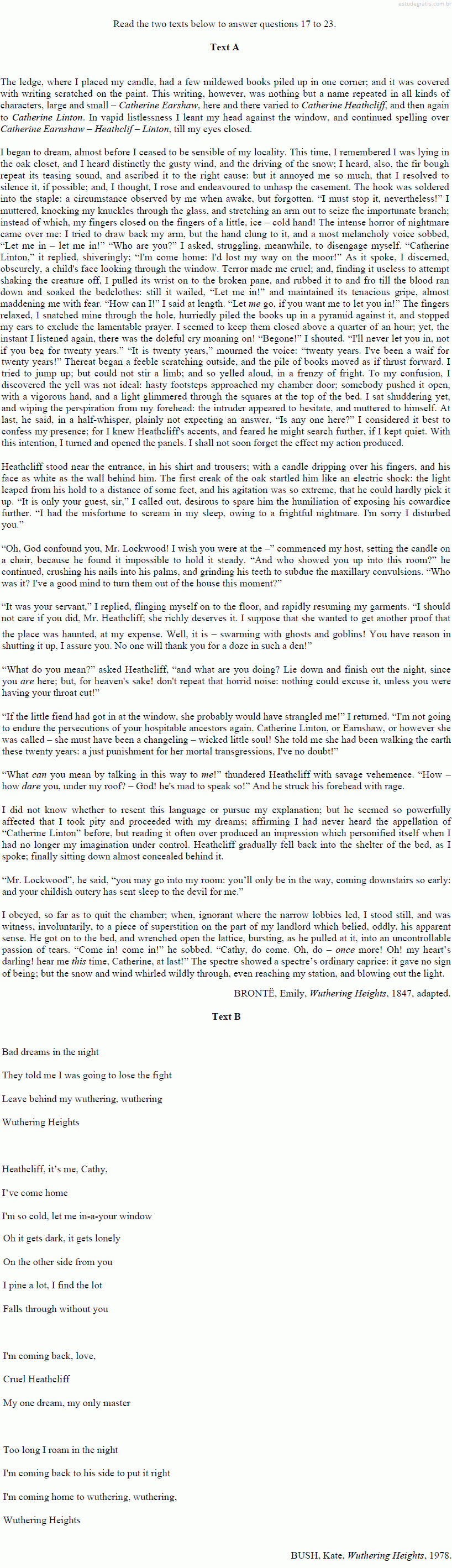
 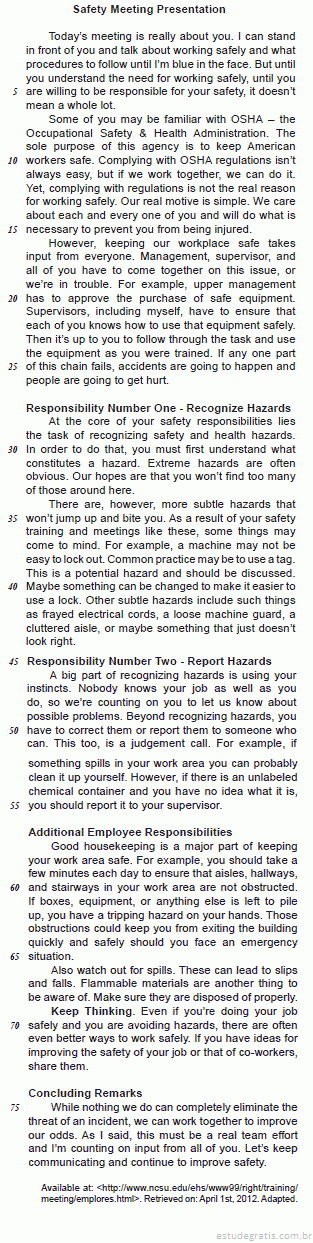 Based on the meanings in the text, it is clear that
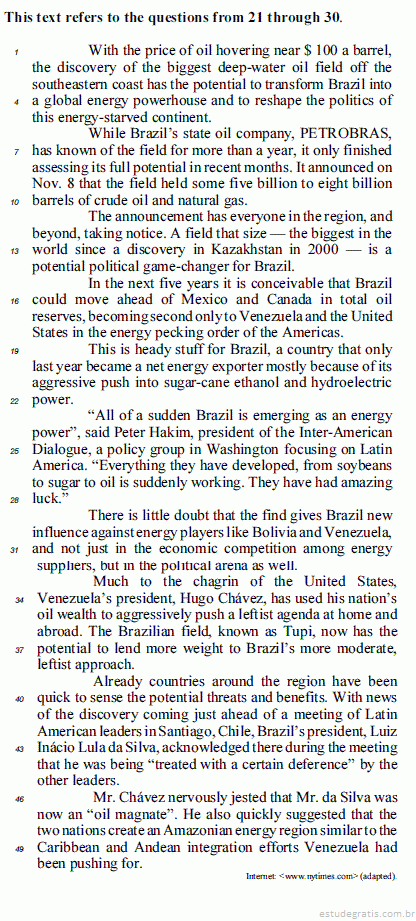
 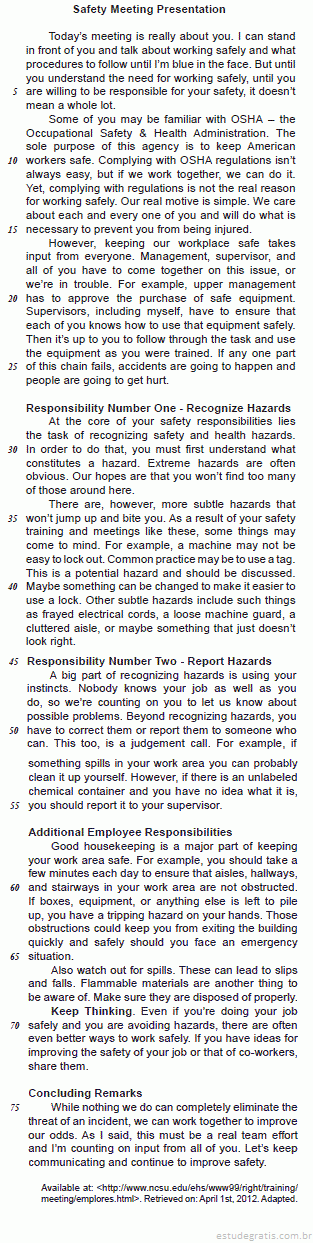 The expression in boldface introduces the idea of consequence in the fragment:
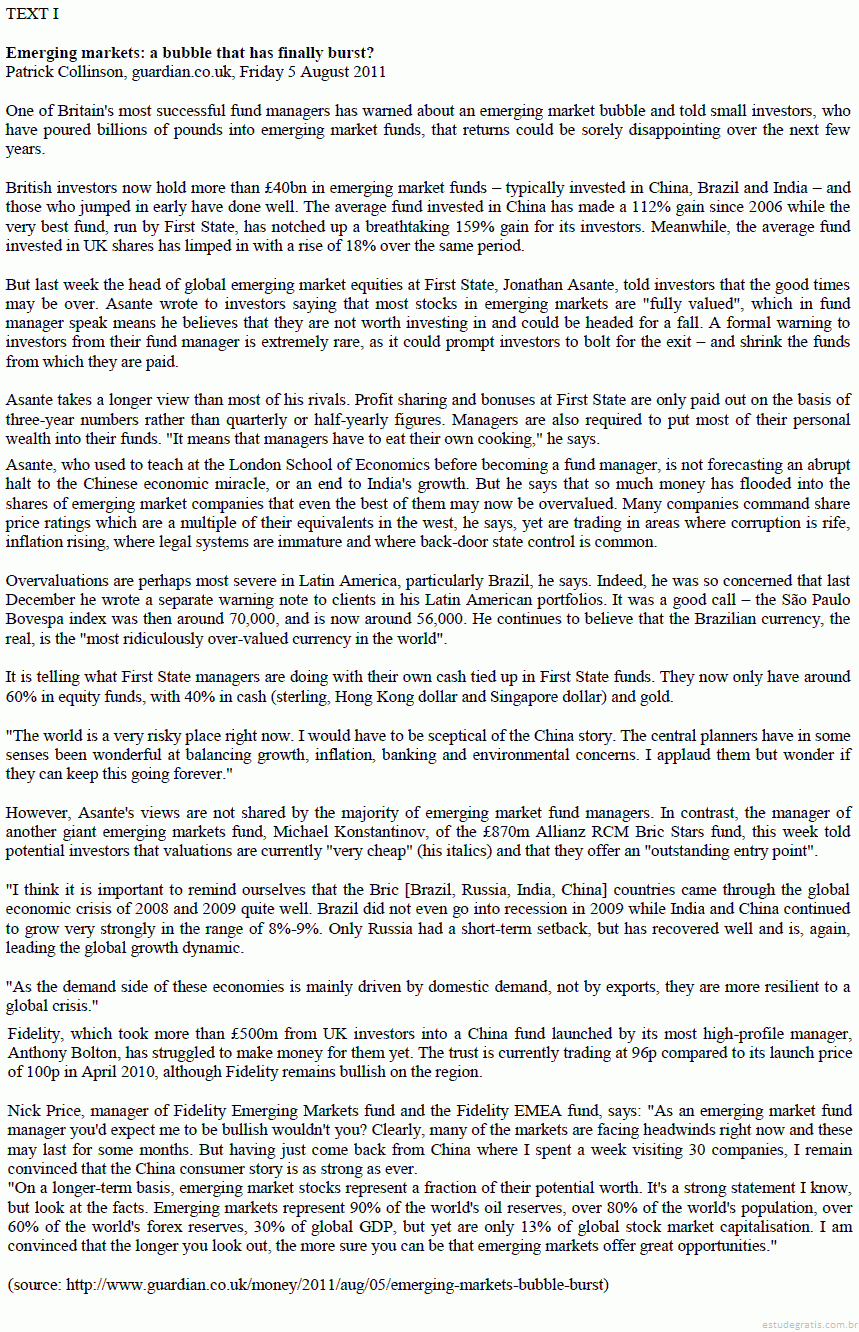 In order to keep the same idea, the connective as in “As the demand side of these economies is mainly driven by domestic demand, not by exports, they are more resilient to a global crisis.” could be replaced by:
















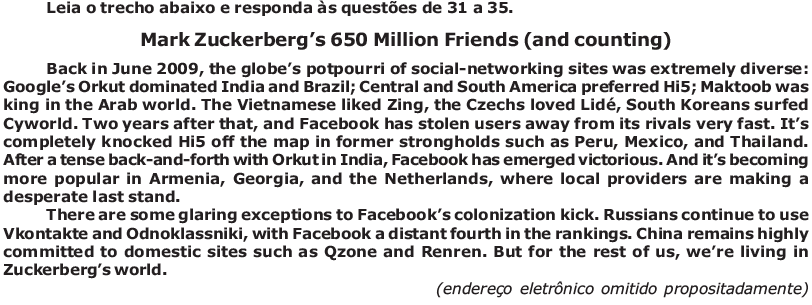 In the sentence And its becoming more popular in Armenia, Georgia, and the Netherlands..., the pronoun it refers to
 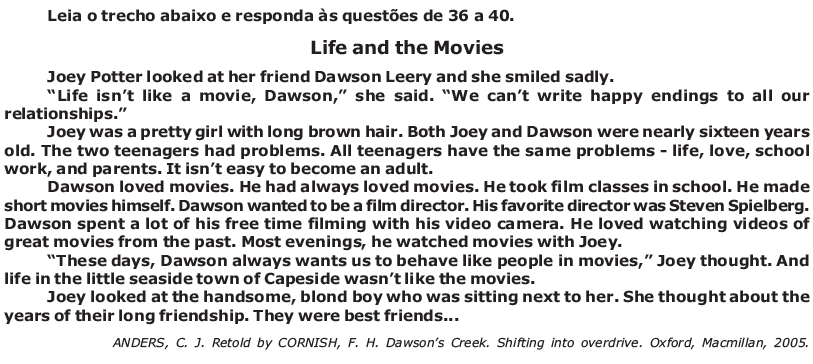 In the sentence All teenagers have the same problems - life, love, school work, and parents, the conjunction and indicates
  In the sentence An air of calm and relief swept through the neighborhood, as residents opened their windows and began walking the streets, the possessive adjective their refers to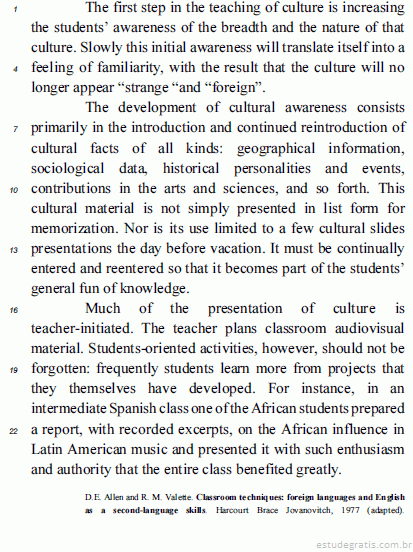
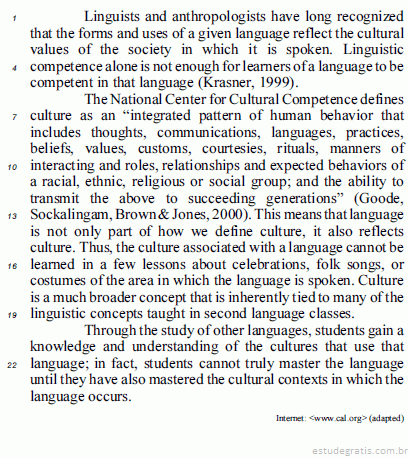
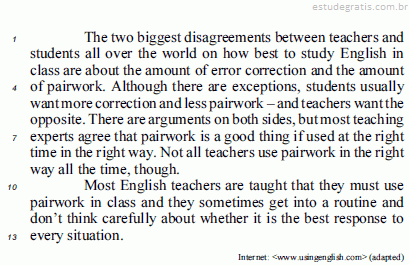
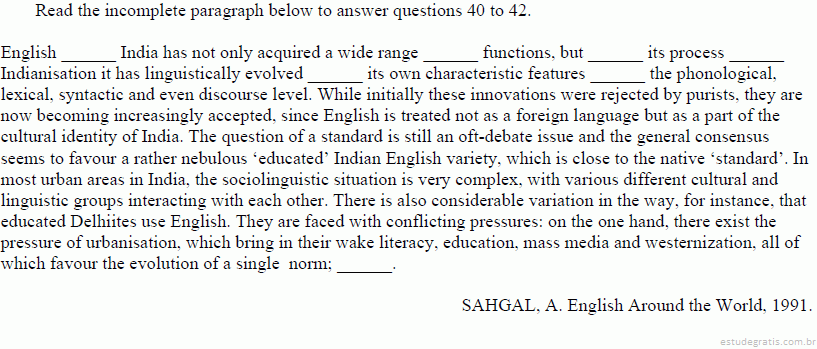
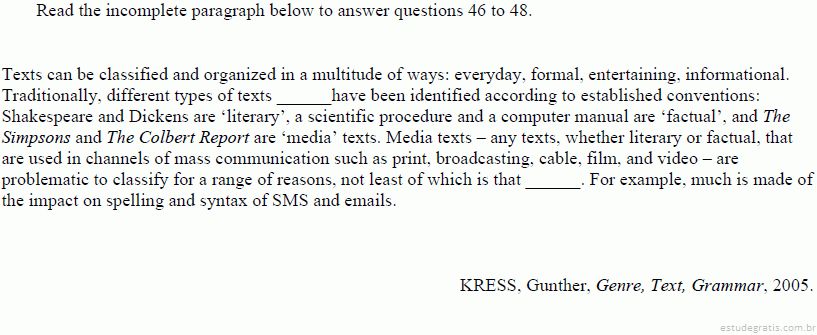
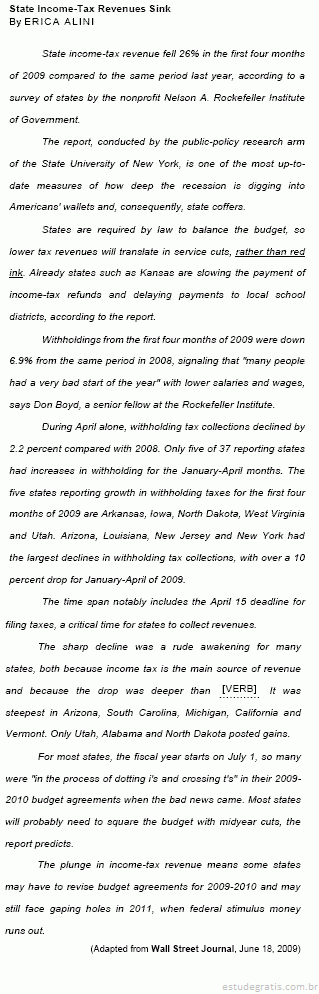
 The alternative which correctly replaces [PARTICLE] is
  The underlined sentence Applets in the pen cant float word balloons at you unless you permit them to do so can be paraphrased as Applets in the pen

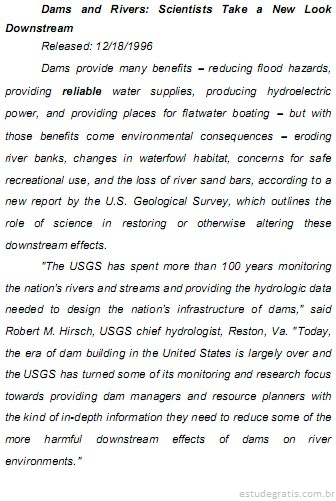
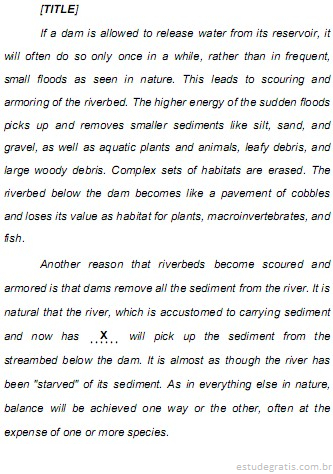
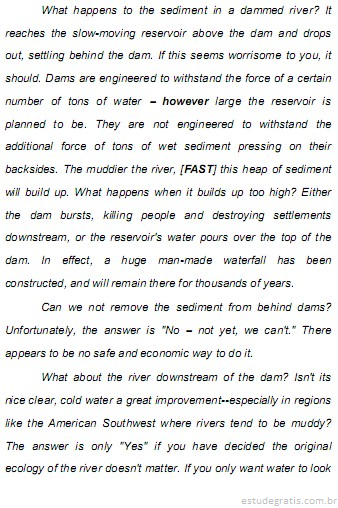
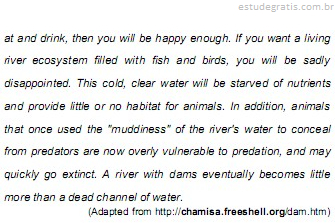
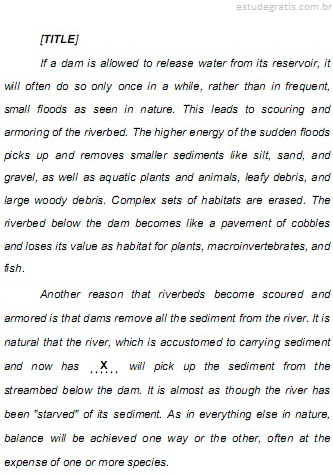
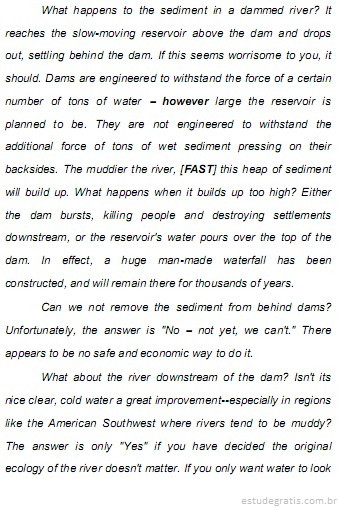
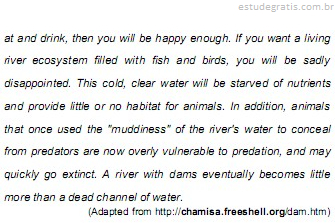
 From text II, it can be inferred that
  The pronoun ‘it’ in paragraph 3 line 5 refers to



 Mark the sentence in which the idea introduced by the word in bold type is correctly described.

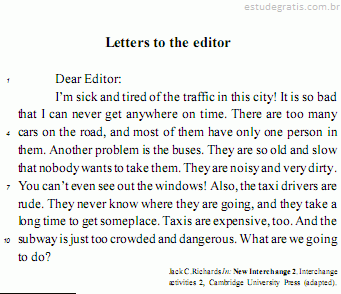 The superlative form of the adjective "crowded" (l.10) is
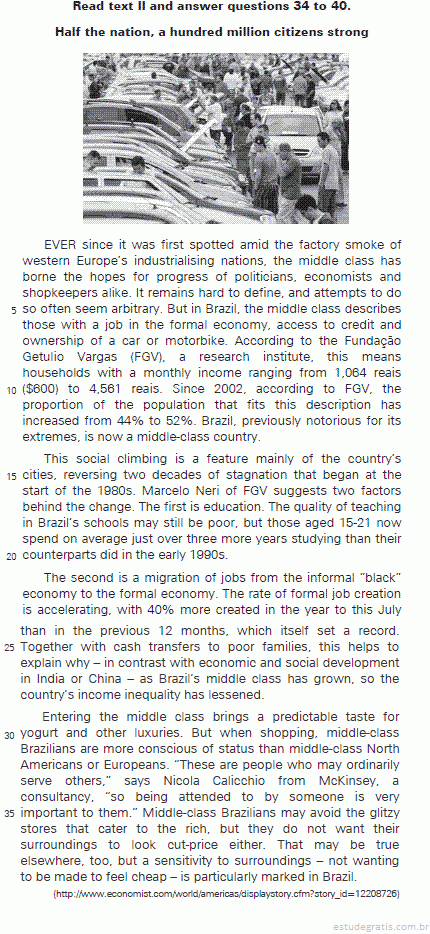




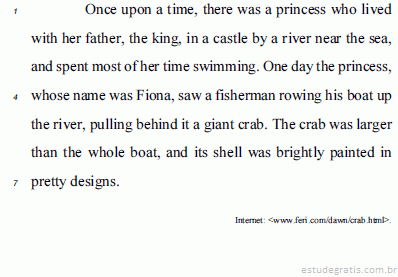
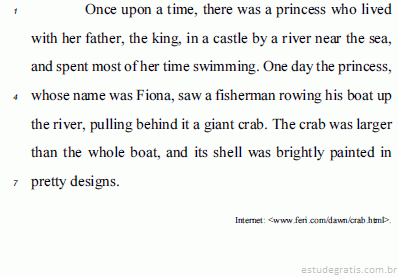
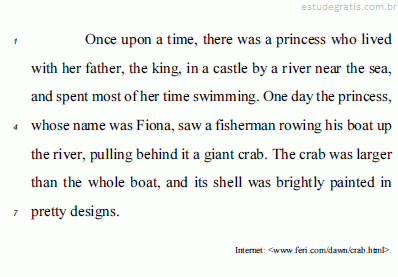
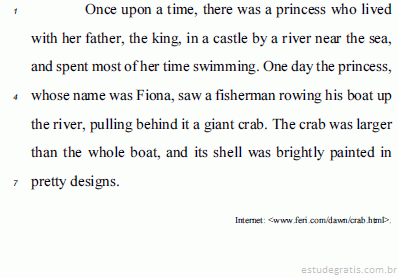


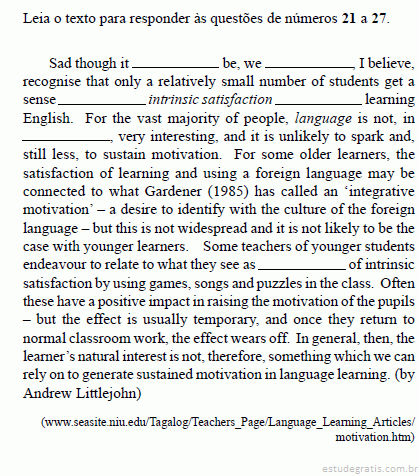 The prepositions that complete line 3 are, respectively,
 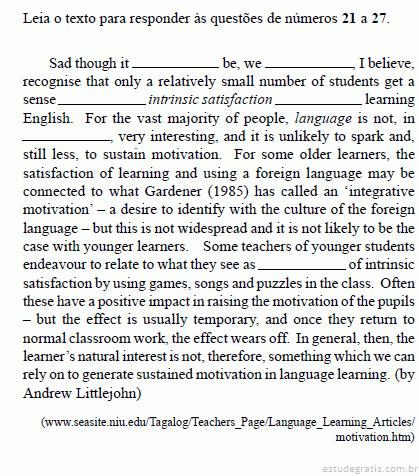 The pronoun that completes line 5 is
 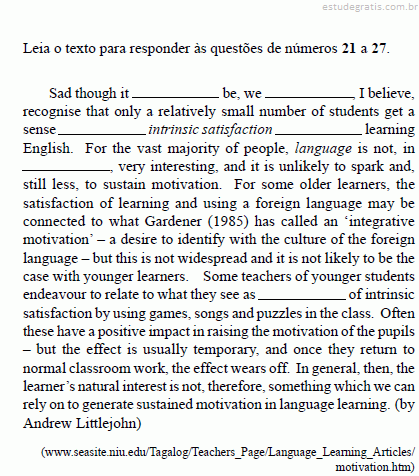 The correct noun phrase to complete line 12 is
 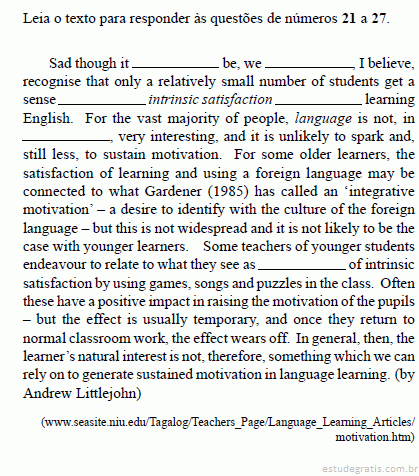 Check the alternative in which … wears off …, in line 16, means the same as in
  … therefore … in line 17 can be correctly replaced by
 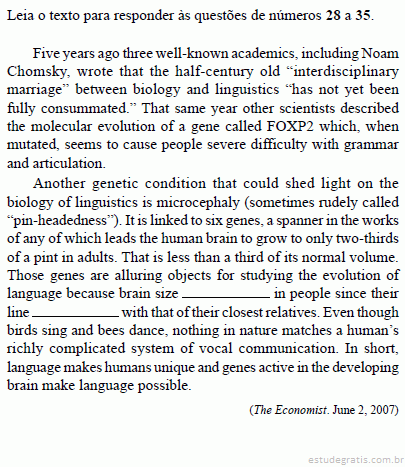 The verb forms that correctly complete lines 14 and 15, respectively, are
 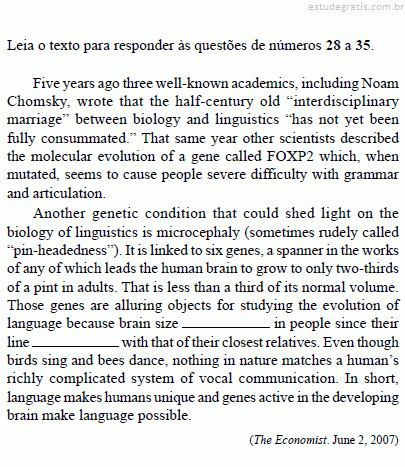 The only –ing form which functions as an adjective in the passage is
 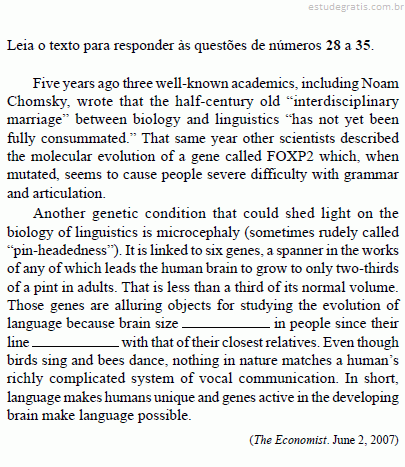 The verbs in which the final –ed is pronounced, respectively, as the phonemes /id/, /d/ and /t/ are
 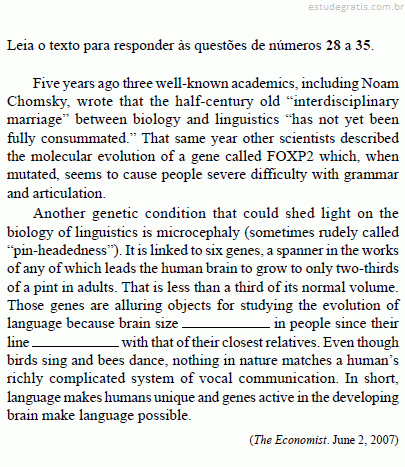 The verbs or nouns in which the final –s or –es is pronounced, respectively, as the phonemes /z/, /iz/ and /z/ are
 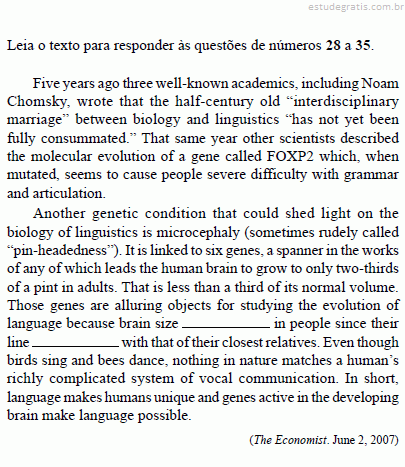 … its … in line 12 refers to the noun
 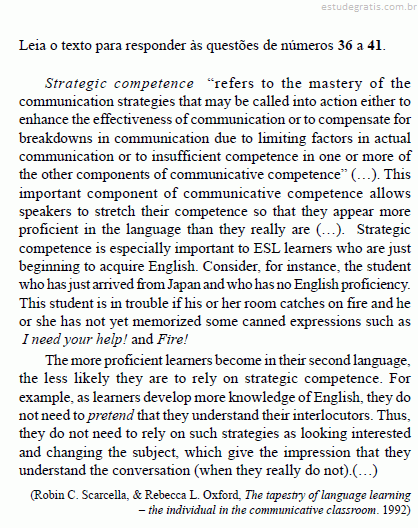 The correct translation for …The more proficient learners become in their second language, the less likely they are to rely on strategic competence … is
 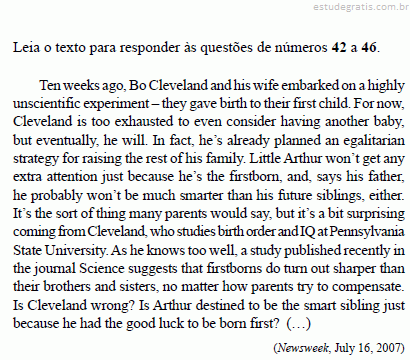 The correct passive voice for … he’s already planned an egalitarian strategy … is
 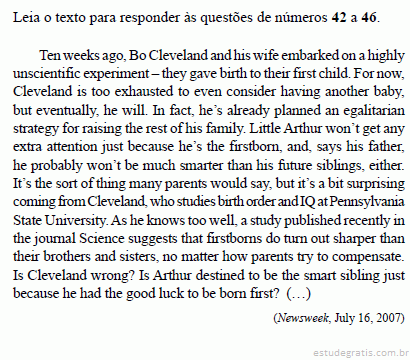 Choose the alternative that, according to the context, describes the correct category of highly, firstborn, sibling, too.
 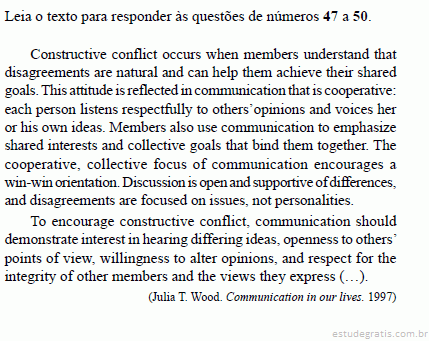 The only verb that is not a synonym for … achieve…in line 2 is
 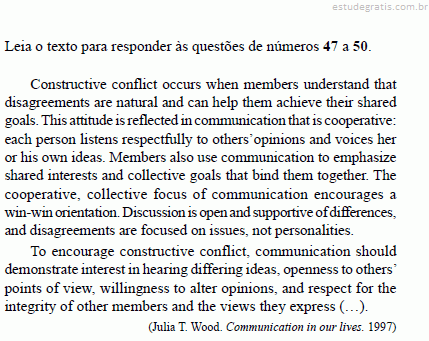 You do not add the suffix –ness to form nouns to the adjectives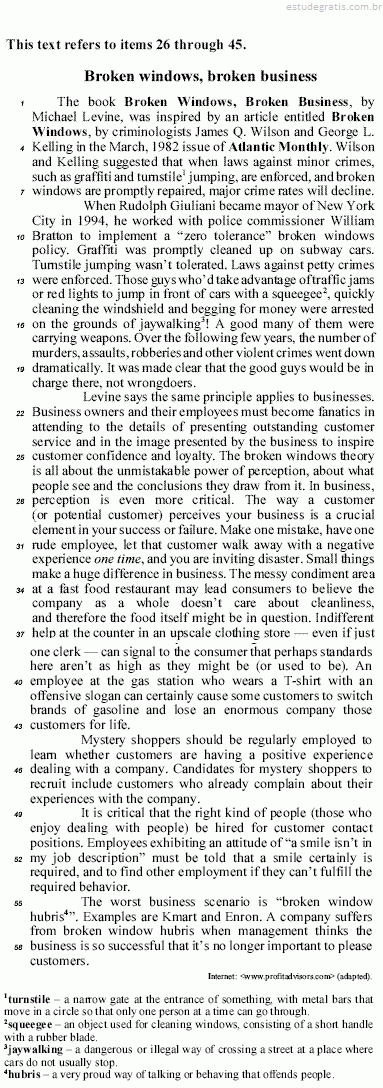
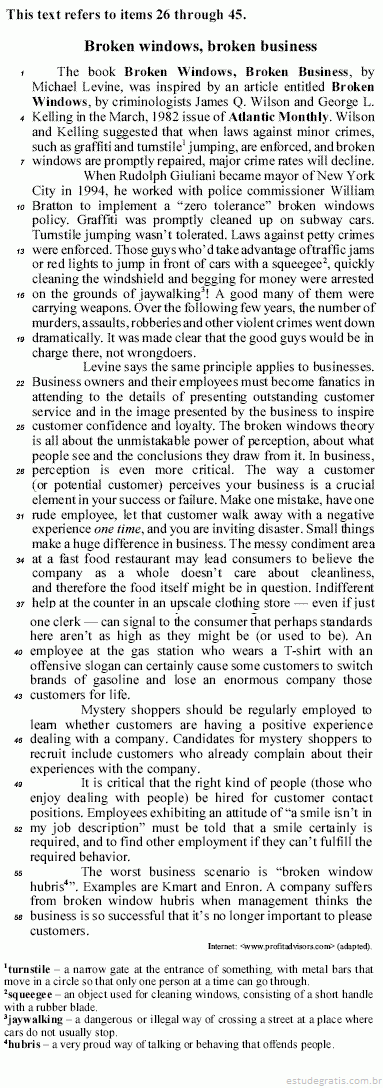
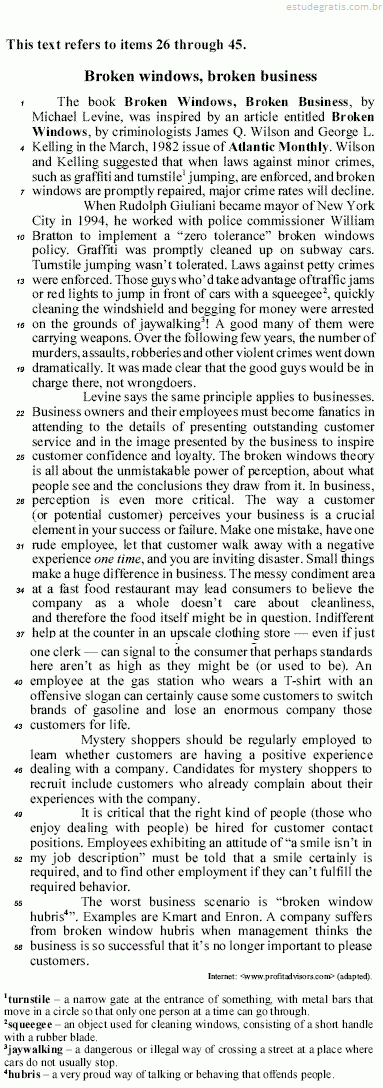
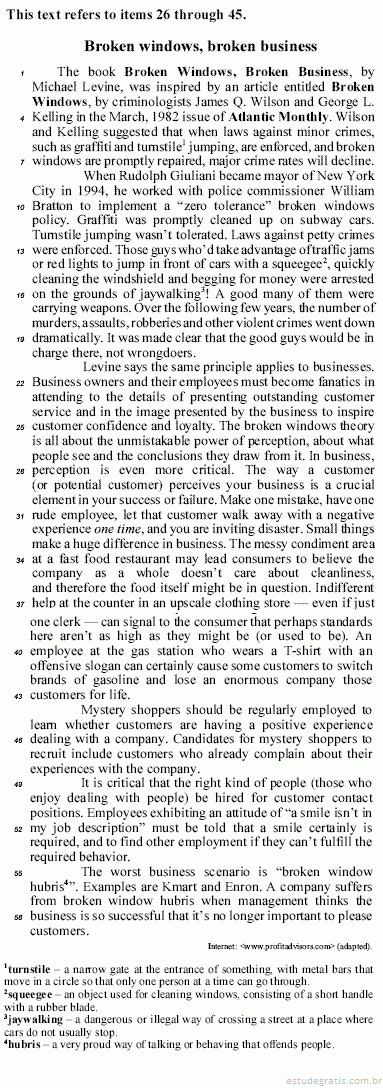
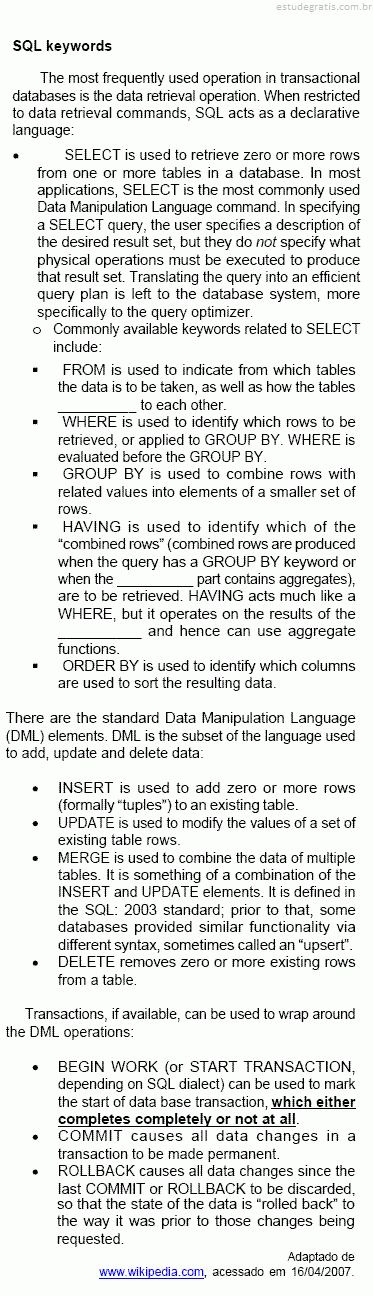
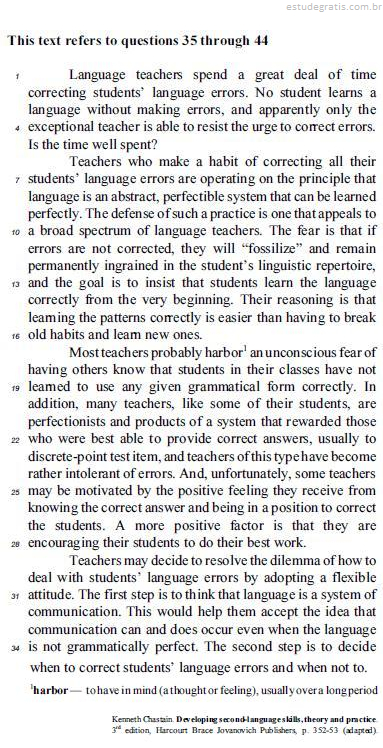 In the text, "are operating" (L.7) is a
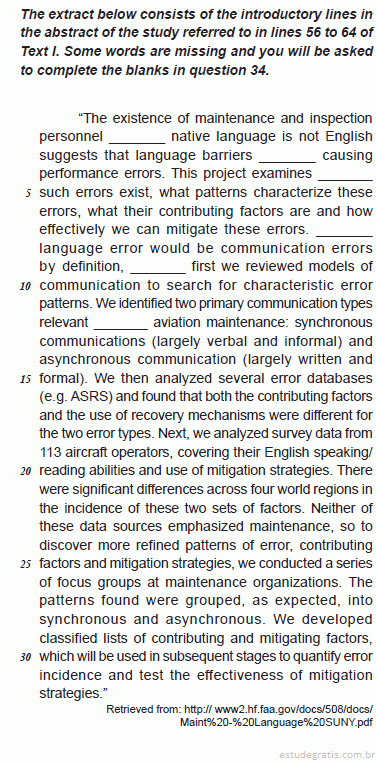
 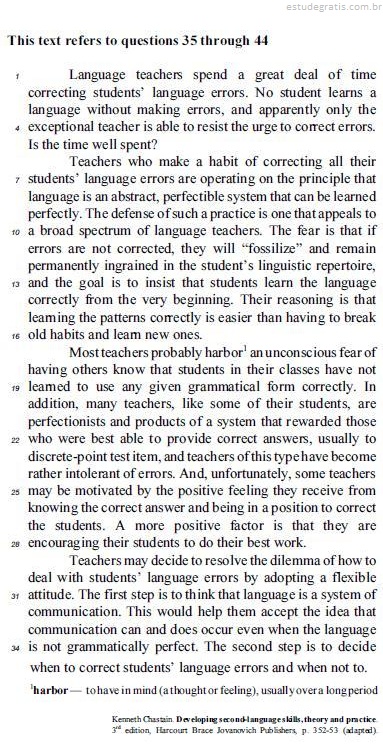 In the text, "one" (L.9) is a
 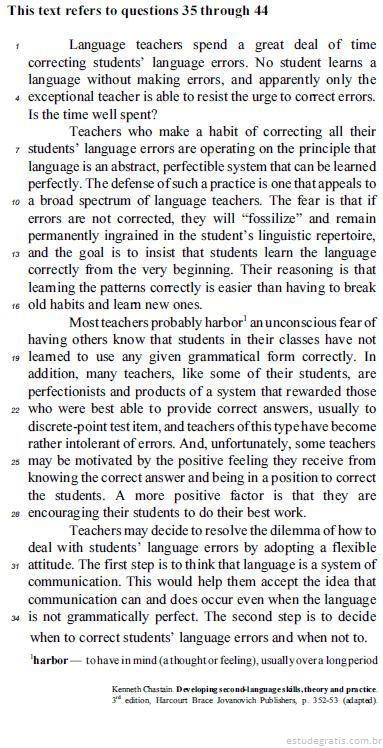 In the text, "best" (R.28) is the opposite of
 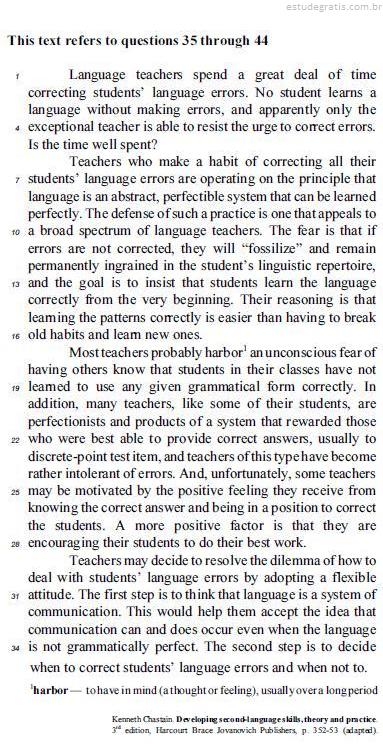 In the text, "does" (L.33) is
 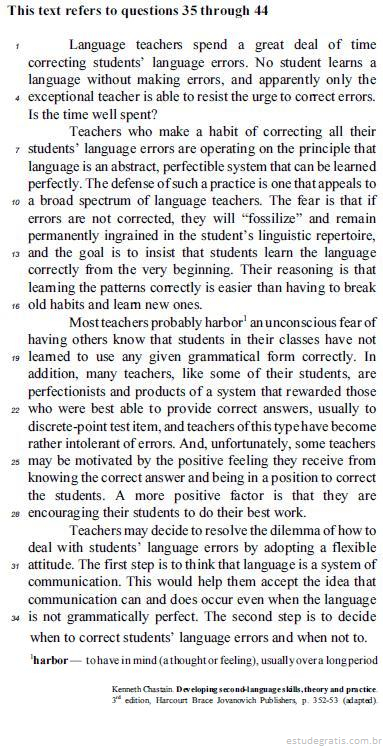 A possible title for the text can be
 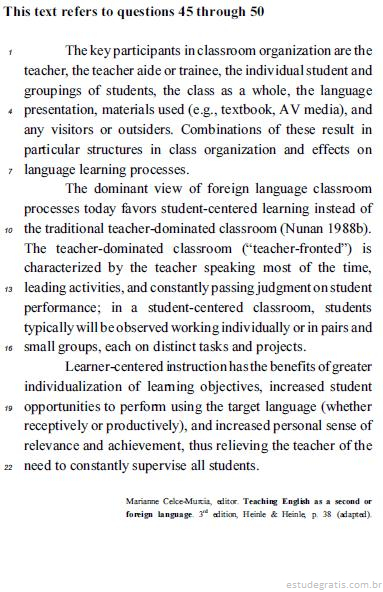 In the text, "favors" (L.9) is used as a