
151
Q591118
The following exercise, posted on the Internet, asks students to listen, repeat the words and memorize them.
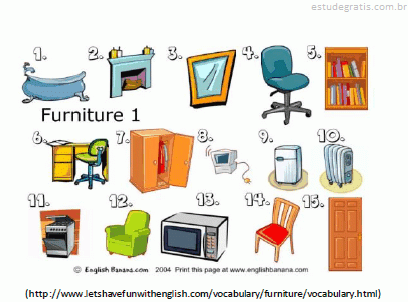
This exercise illustrates
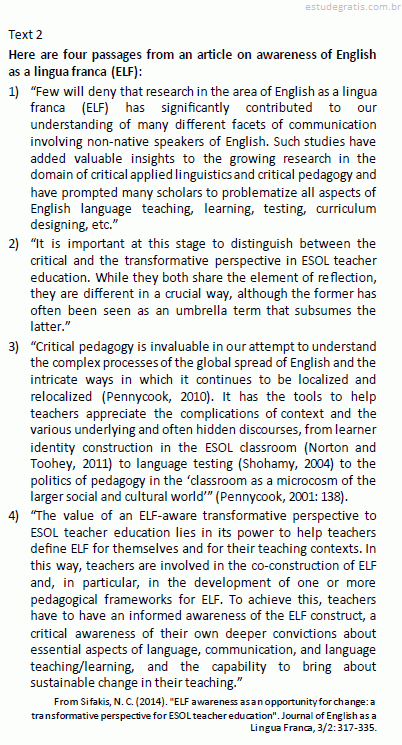
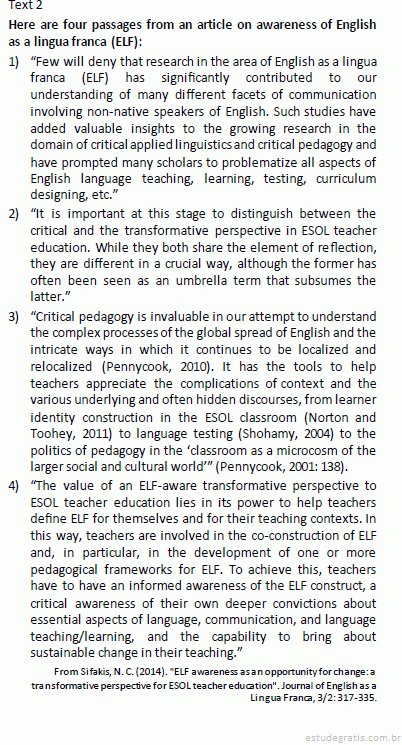 The move from English as a Foreign Language (EFL) to English as a Lingua Franca (ELF) has promoted
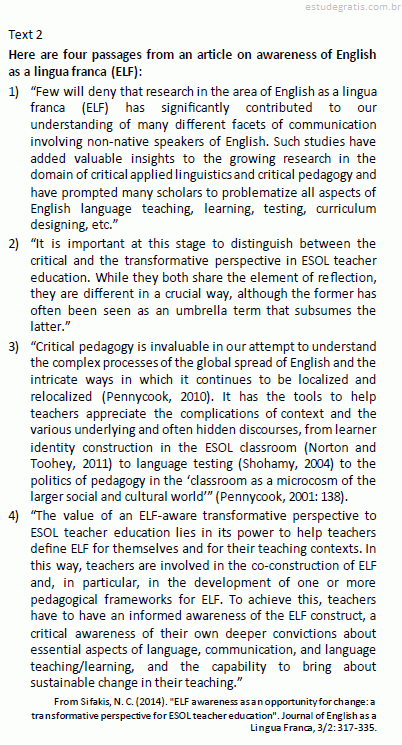
 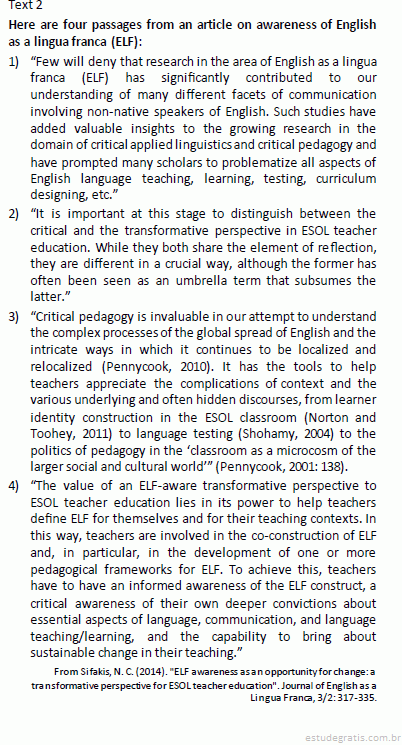 Critical literacy emphasizes the need to use language as a vehicle for social change. One of the strategies a teacher may use for this purpose is
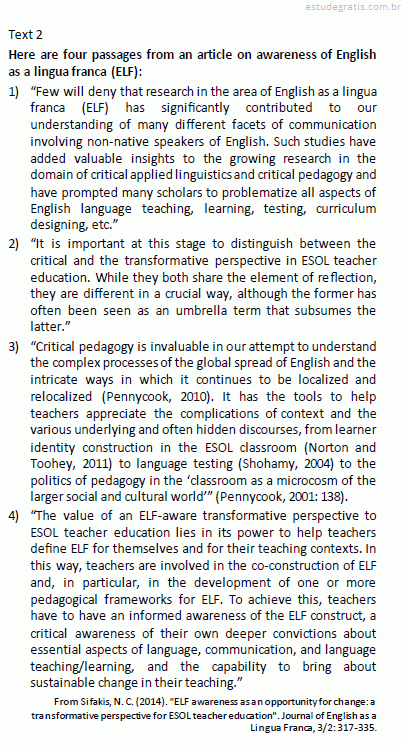
 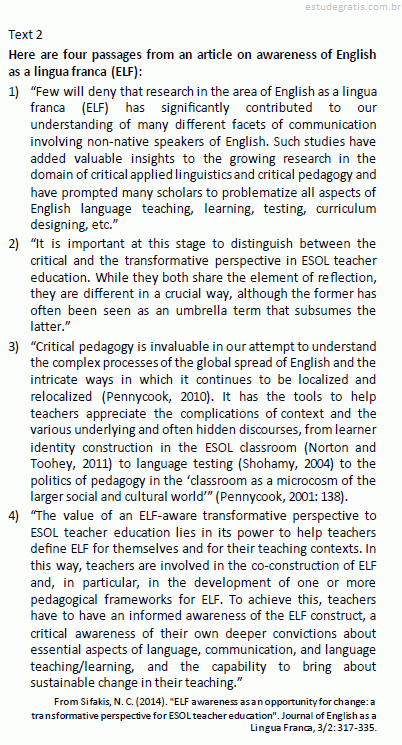 Critical literacy supporters tend to see the discourse of “the now ‘classic’ critical pedagogies of the 80s and 90s” (Jordão, 2013, p. 290) as being
 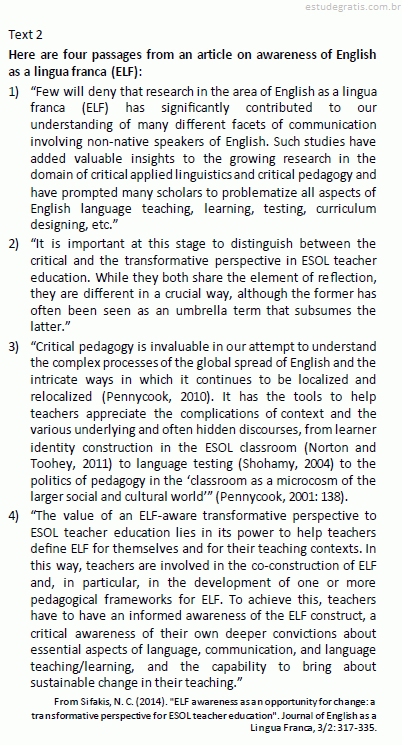 According to Jordão (2013), critical pedagogy differs from structuralist pedagogies because, among other reasons, it