1951
Q705921
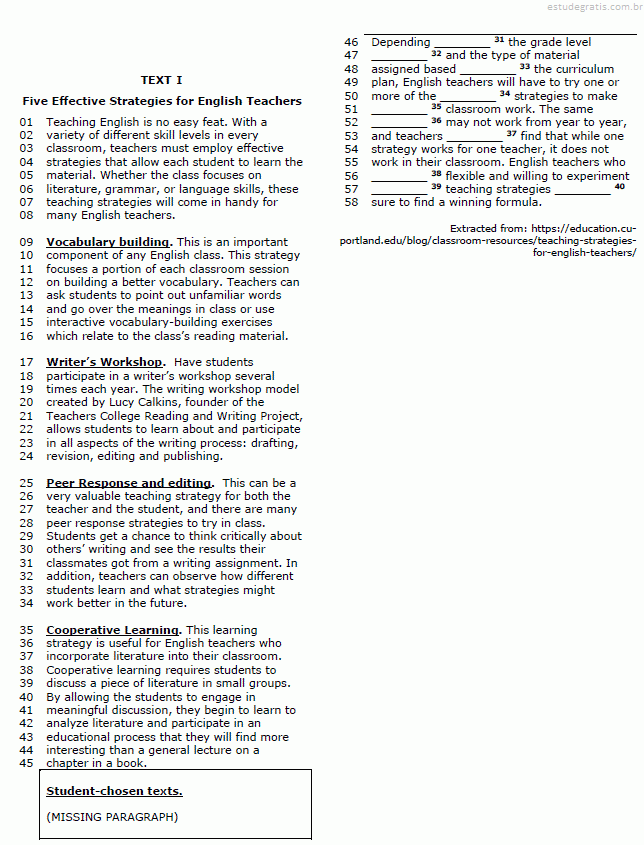 Mark the option that correctly completes the numbered blanks (31–40) in Text I.
 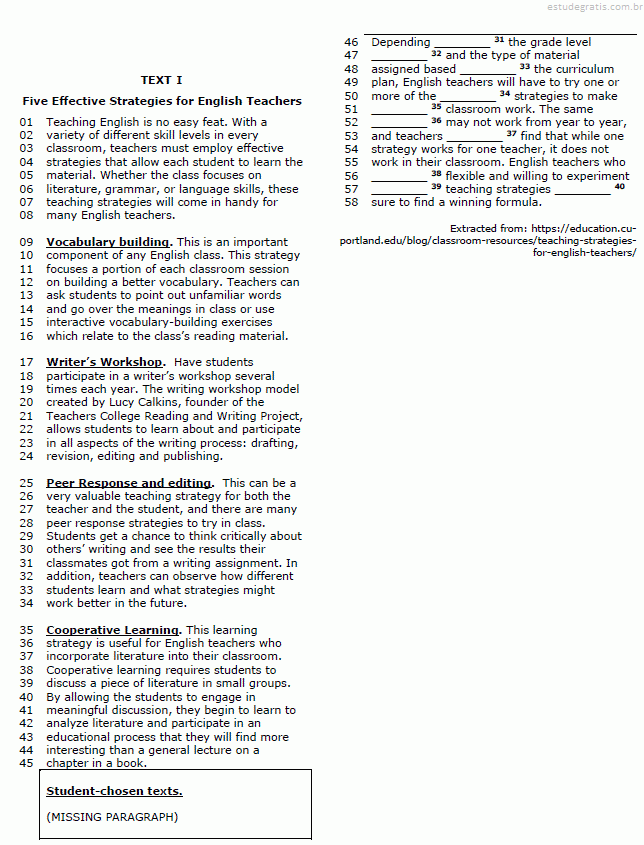 Mark the option that correctly completes the numbered blanks (31–40) in Text I.
 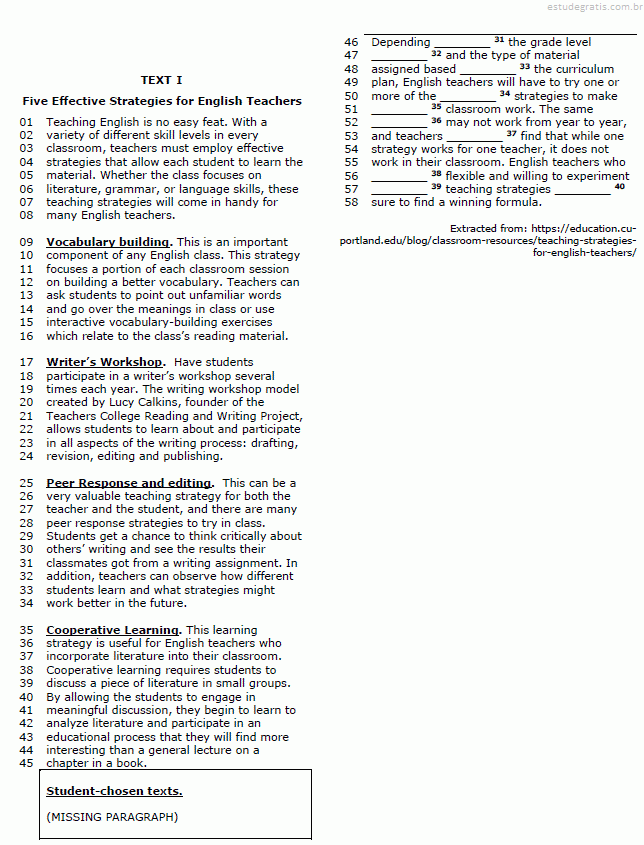 Mark the option that correctly completes the numbered blanks (31–40) in Text I.
 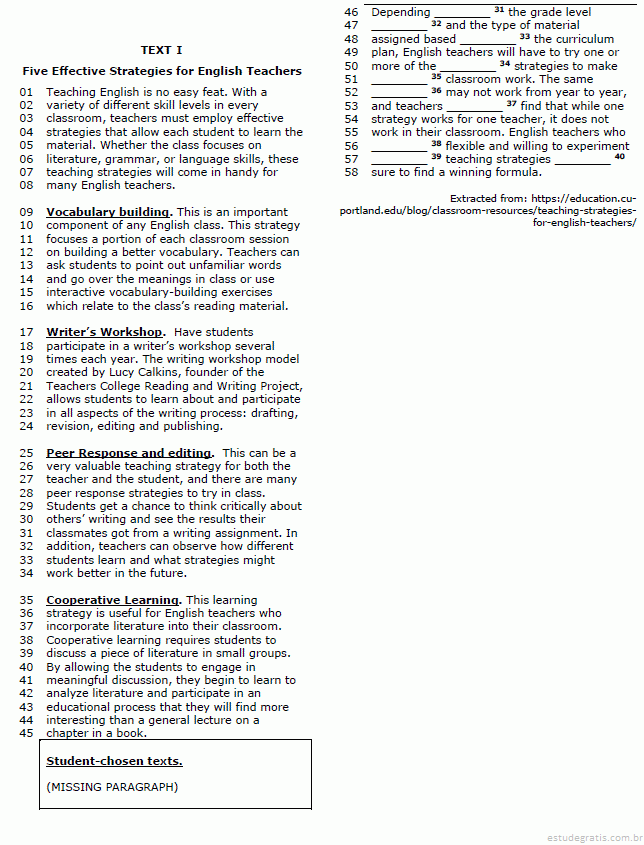 Mark the option that correctly completes the numbered blanks (31–40) in Text I.
 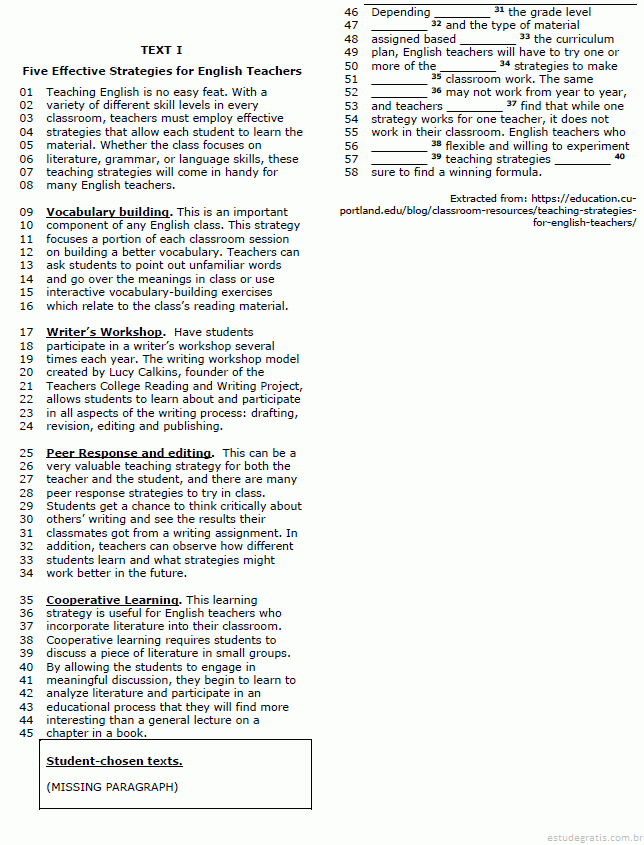 Mark the option that correctly completes the numbered blanks (31–40) in Text I.