951
Q487610
In the text,
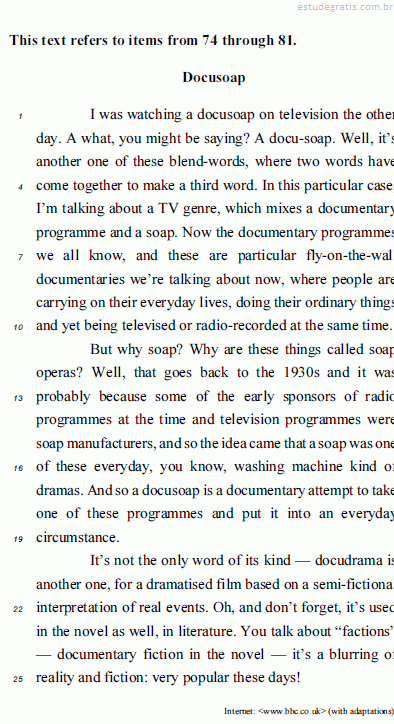
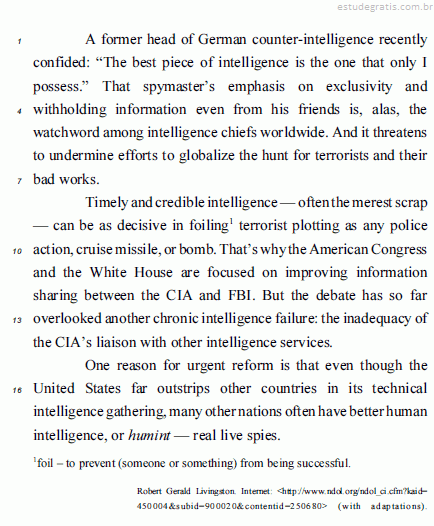
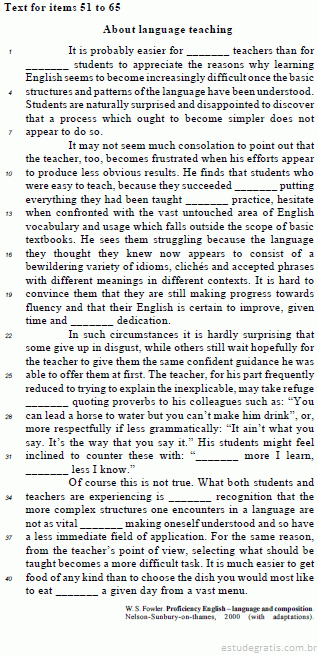
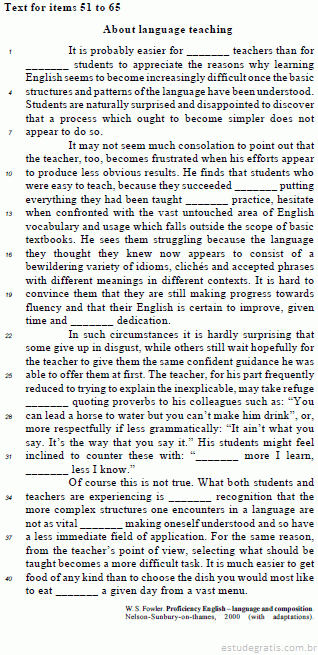
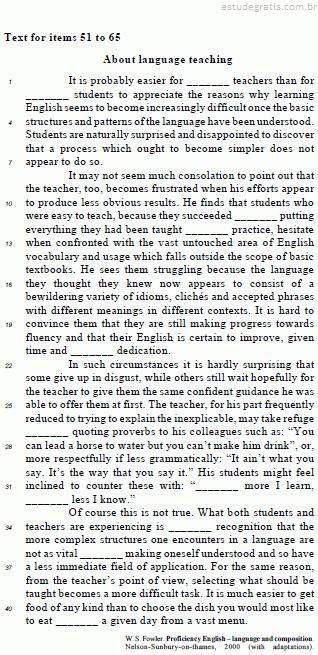
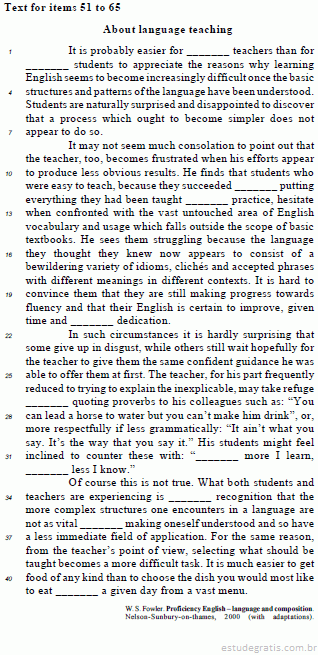
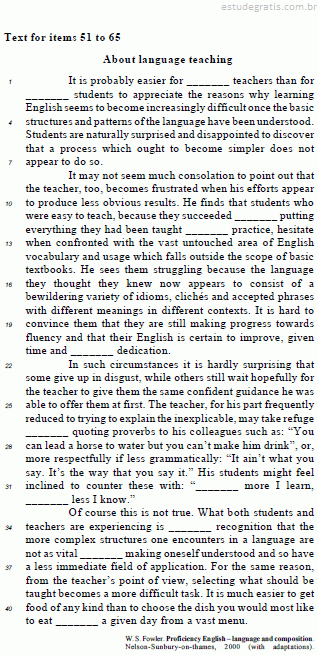
the modal disjunct “probably” (l.13) expresses the author’s view on how likely it is that what follows this word is true.







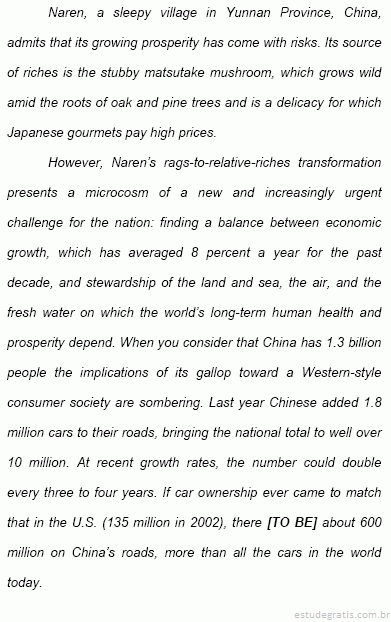
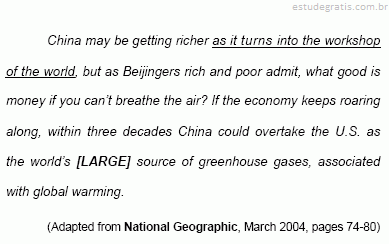
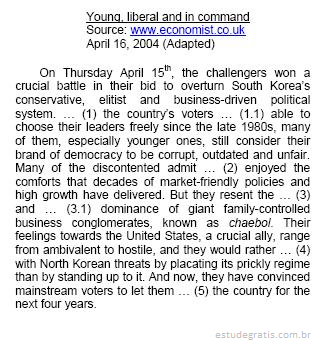
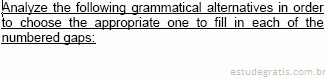
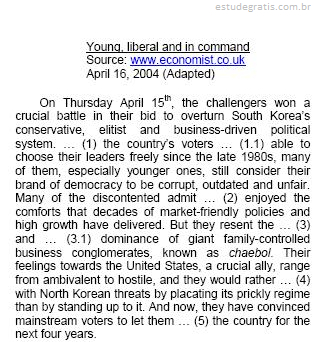
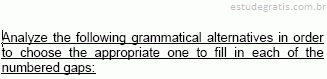
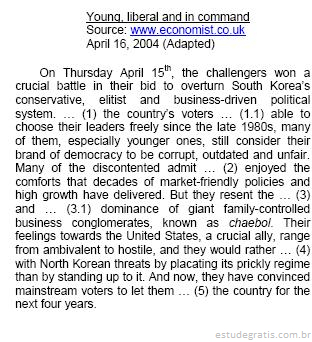
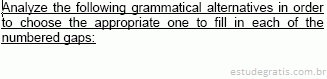
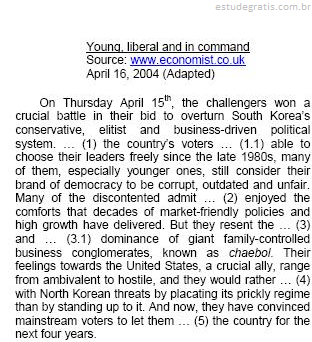
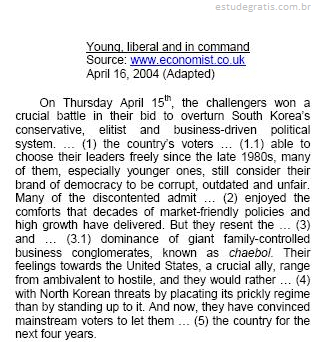
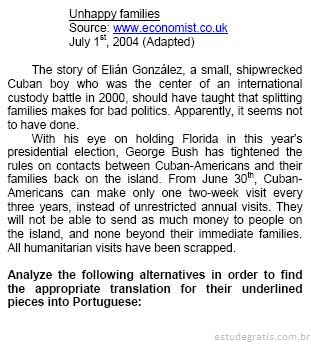
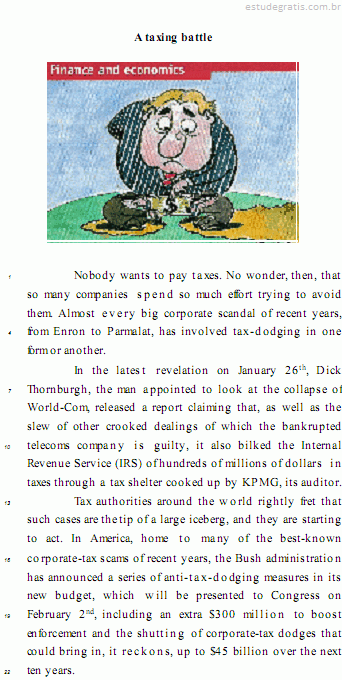

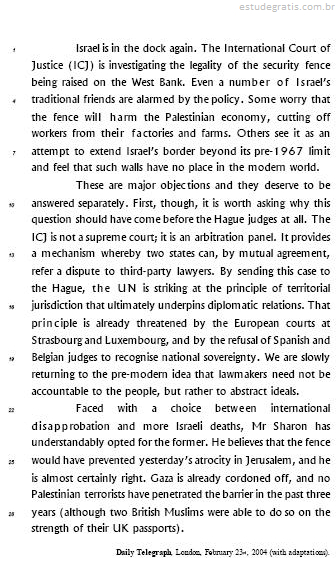




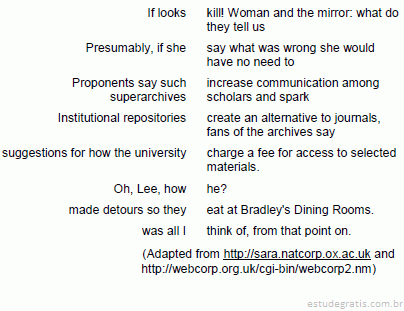



















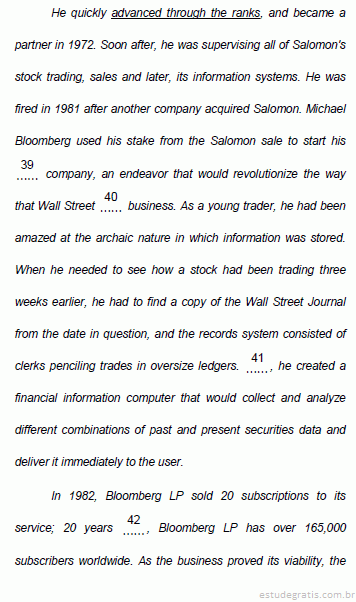
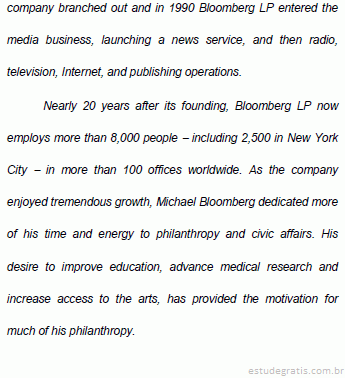
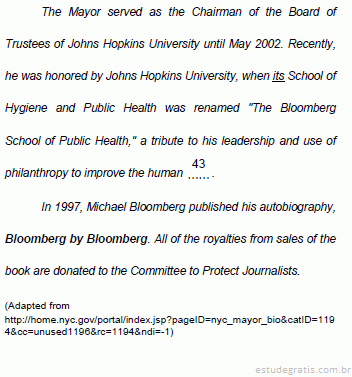




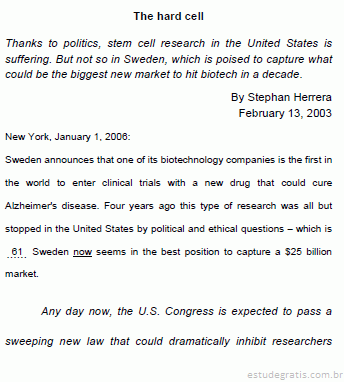














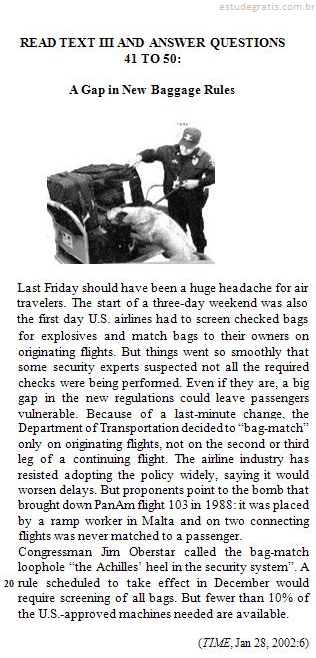 The expression "a huge headache" (l.1) refers to a(n):
 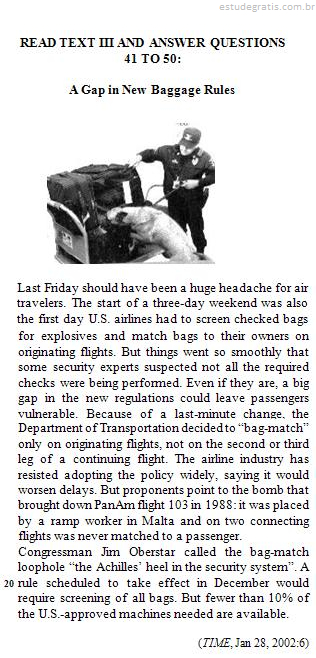 So in "But things went so smoothly that some security experts...." (l.5-6) has the same function as the underlined word in:
 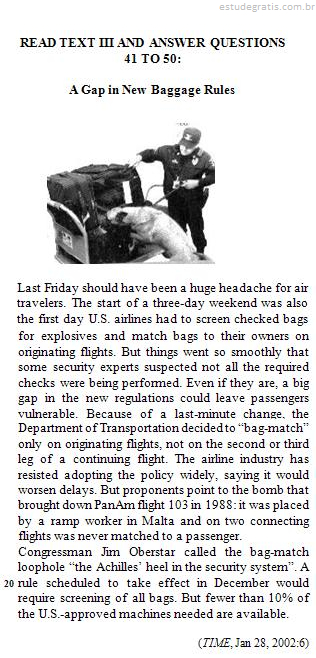 The verb form in "the required checks were being performed" (l.6-7) is in the same form as the verb in: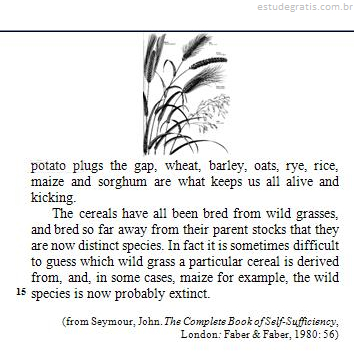



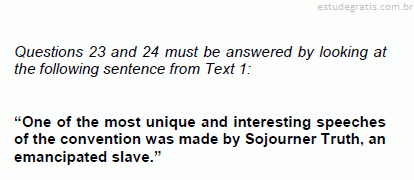
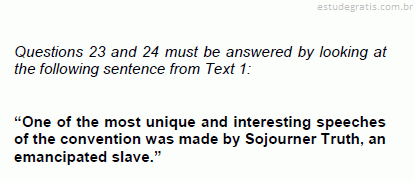 Without any other change added to the sentence, the clause “an emancipated slave” could be preceded by:
  The word “whole-souled” in the clause “her whole-souled, earnest gesture” can be defined as:
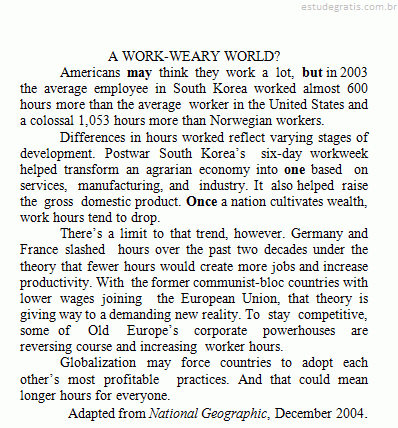
 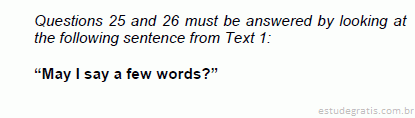 We may keep the sentence grammatically correct by substituting “May” for:
 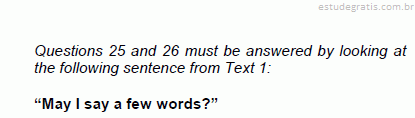 We may keep the sentence grammatically correct by substituting “words” for: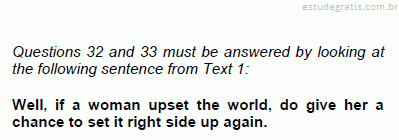
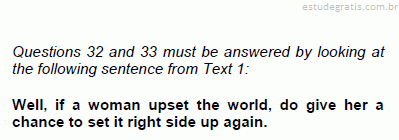 The use of “do” in the sentence is:
 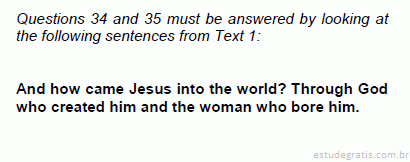 Looking at verb “come into” above, it’s correct to say that:
 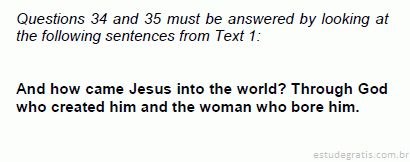 It’s correct to say that “And” and “Through” in the sentences above are used, respectively:
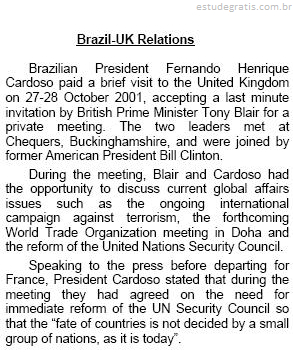
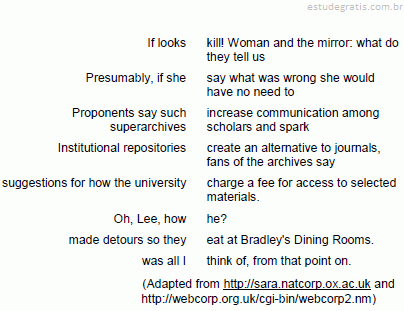
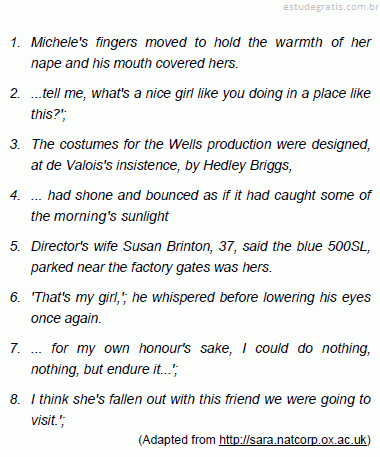
 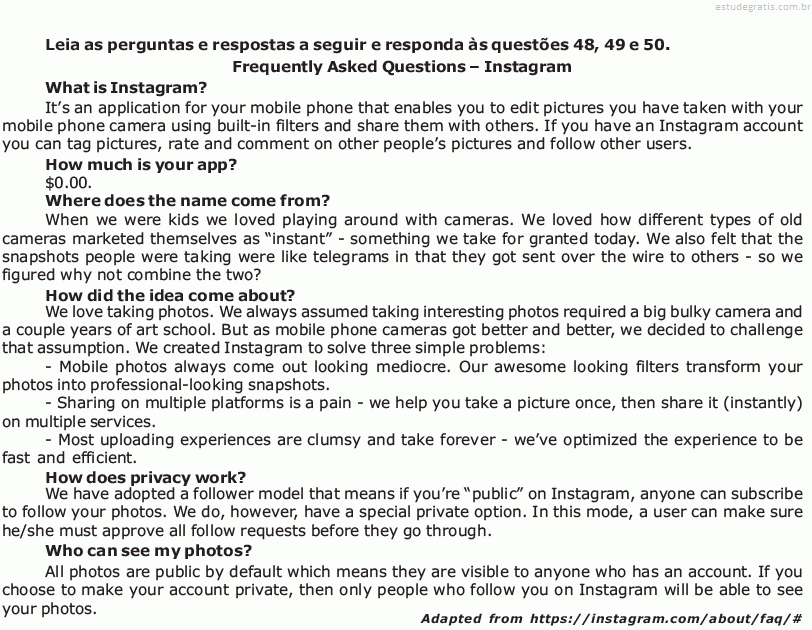 Which words are synonyms for photos in the text?
 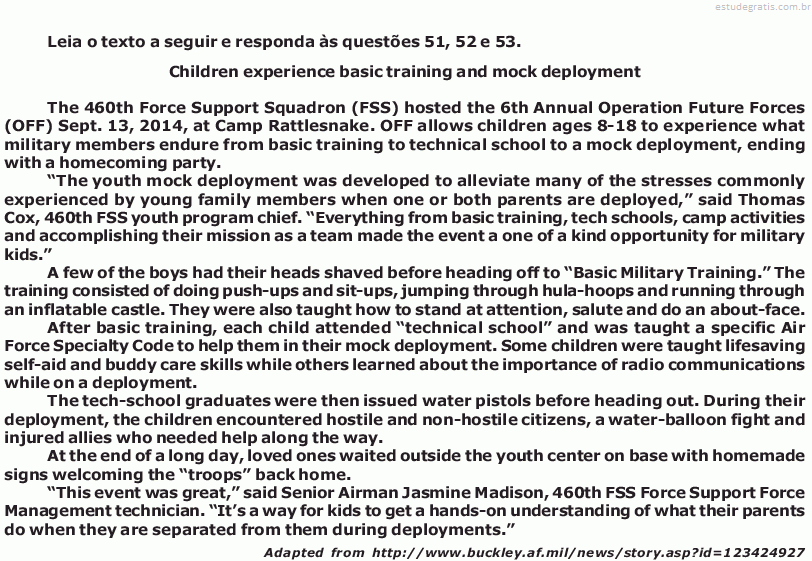 In the sentence “During their deployment, the children encountered hostile and non-hostile citizens, a water-balloon fight and injured allies who needed help along the way.” (paragraph 5), the words their and who respectively refer to
 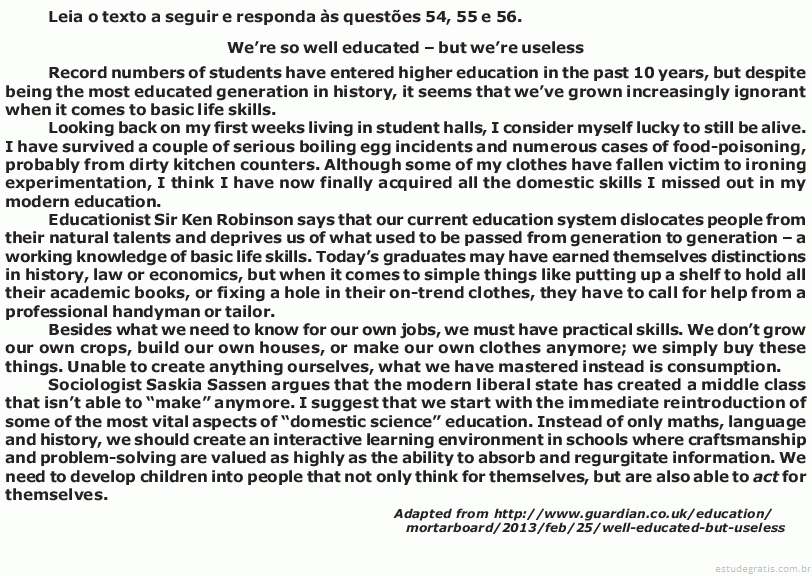 In the sentence “I think I have now finally acquired all the domestic skills I missed out in my modern education.” (paragraph 2), the words missed out mean
  In the sentence “Besides what we need to know for our own jobs, we must have practical skills.” (paragraph 4), the word besides can be replaced by
 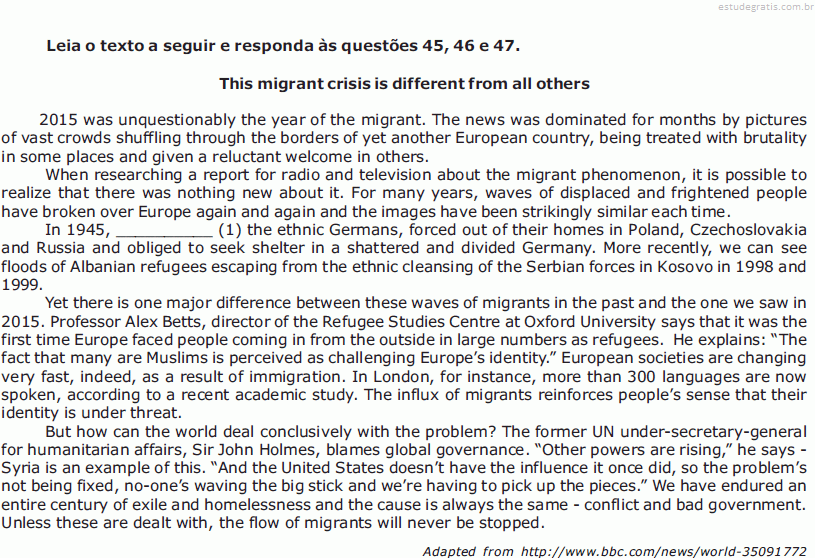 Choose the alternative containing the correct verbal tense to complete gap (1) in paragraph 3.
 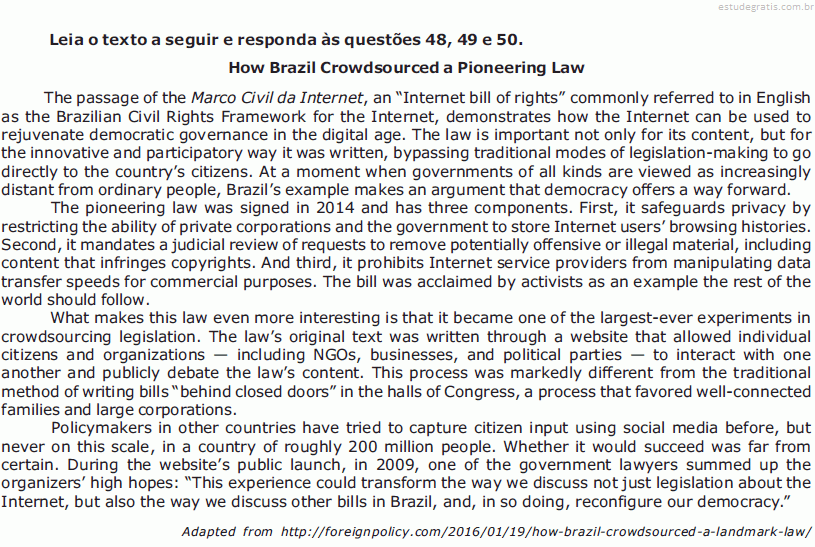 Choose the alternative that correctly substitutes the word bypassing in the sentence “... bypassing traditional modes of legislation-making ...” (paragraph 1).
 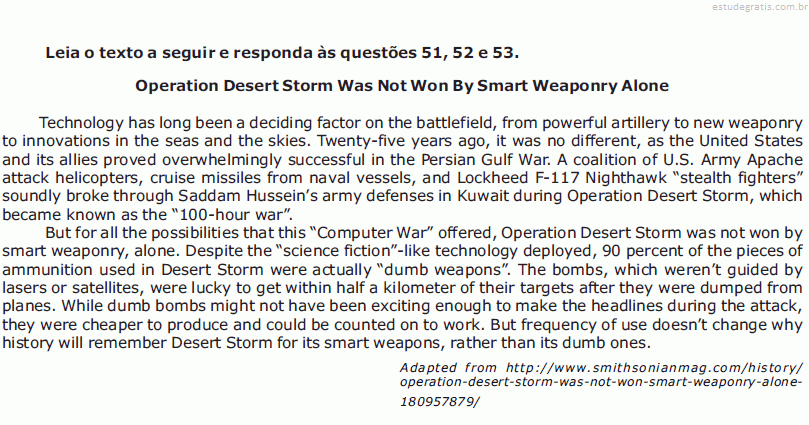 Choose the alternative that has the sentence “Operation Desert Storm was not won by smart weaponry” (paragraph 2) correctly changed into active voice.
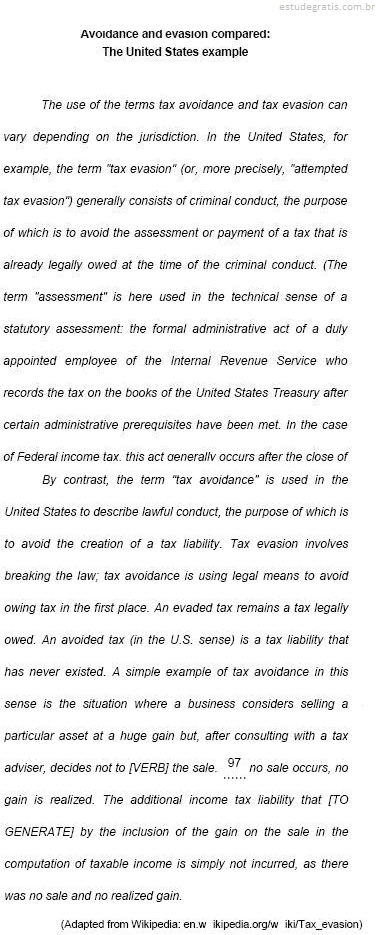
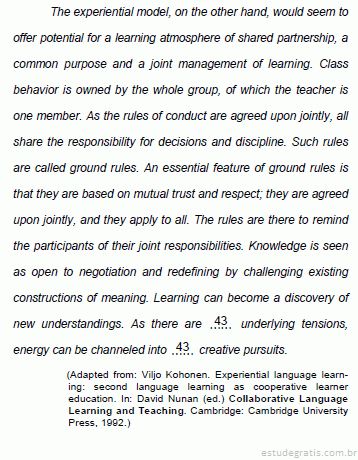
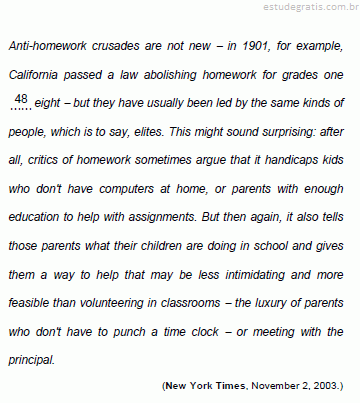
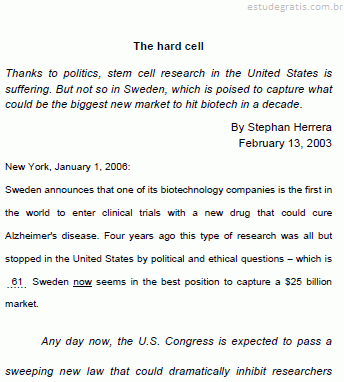
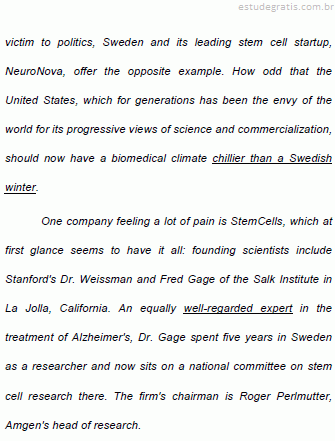
 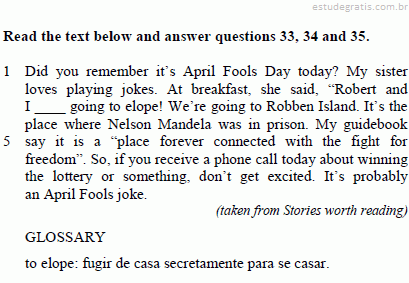 Select the alternative that fills in the blank in the text.
 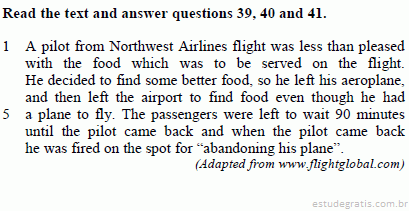 The ordinal form for the number ninety (line 05), in the text, is
 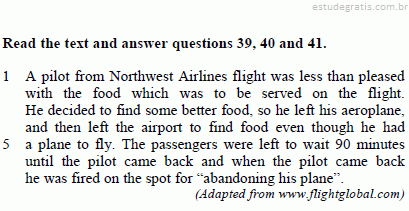 The conjunction “so” (line 03), in the text, can be replaced by
 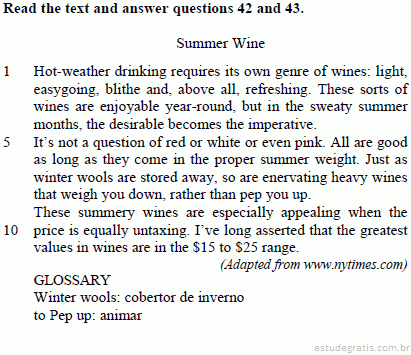 The word “appealing” (line 9), in the text, is a(n)
 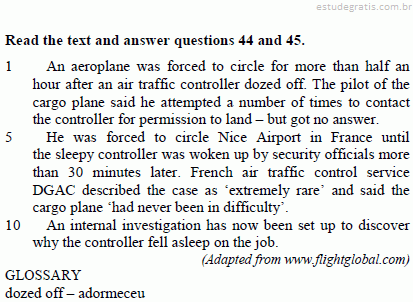 The verb “discover” (line 10), in the text, is closest in meaning to
 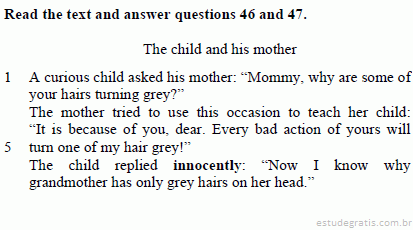 The word “innocently” (line 06), in bold type in the text, is an adverb of
 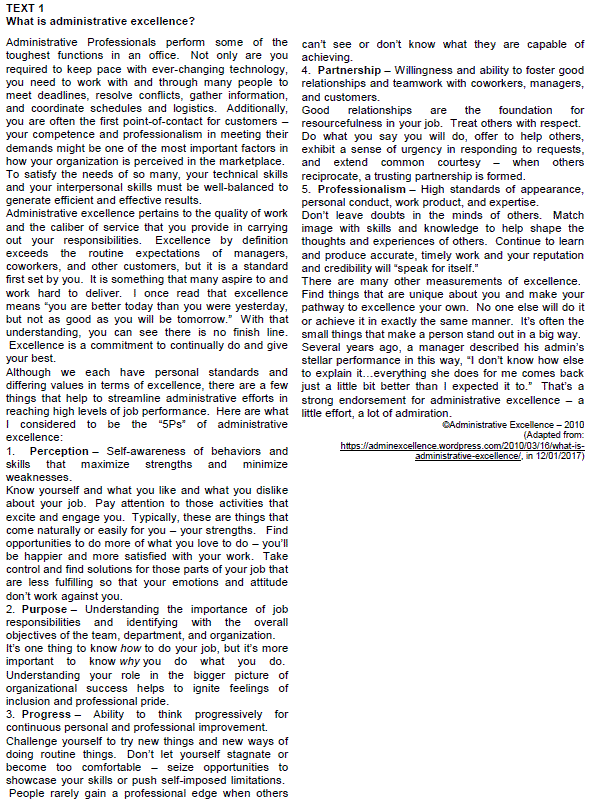 In the fragment ¨Treat others with respect. Do what you say you will do, offer to help others, exhibit a sense of urgency in responding to requests, and extend common courtesy ¨C when others reciprocate, a trusting partnership is formed¡¬, imperative forms are used for:
 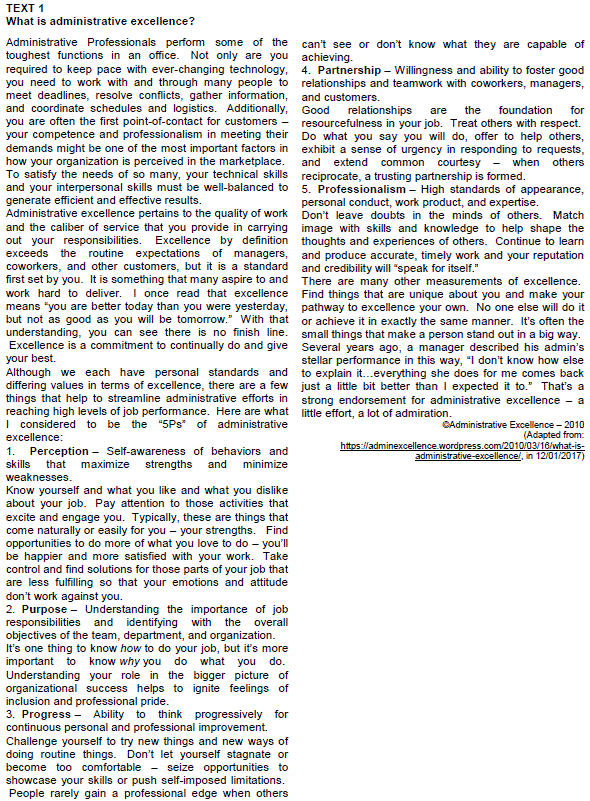 In the fragment ¨DUnderstanding your role in the bigger picture of organizational success helps to ignite feelings of inclusion and professional pride.¡¬, the underlined word can be substituted ¨C without changing the original meaning ¨C by:
 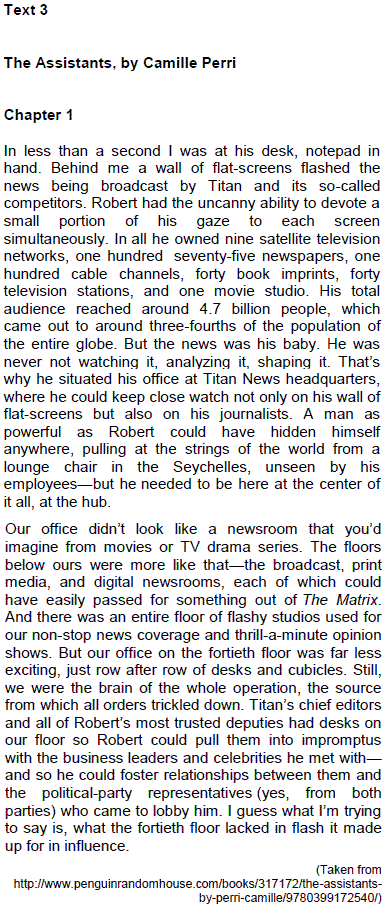 When we are writing formal e-mails, we can use the formal letter-writing phrases:
 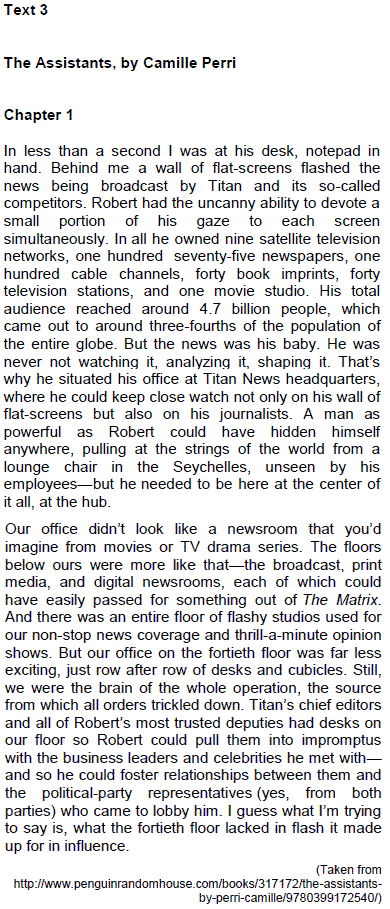 When addressing people in formal contexts, we it is appropriate to use a title. In the alternatives below, the one which indicates the correct relationship between title and status is:
 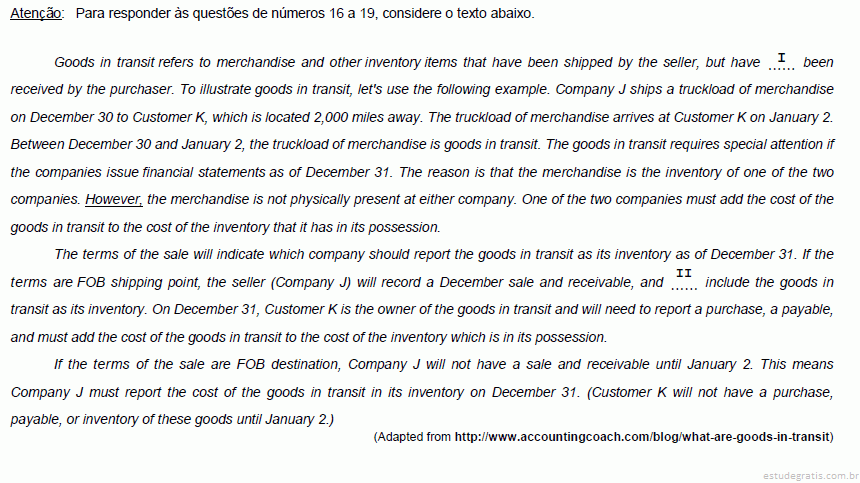 A alternativa que preenche corretamente a lacuna II é
 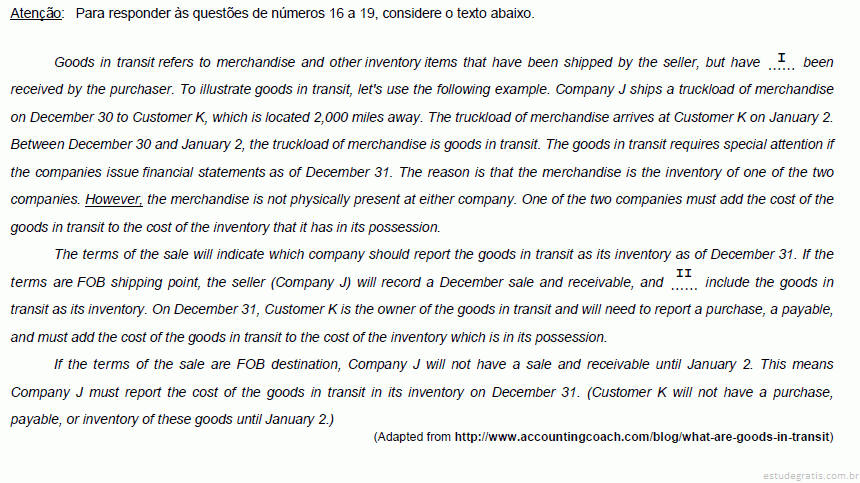 A conjunção However, no primeiro parágrafo, pode ser substituída – sem alteração de sentido – por
 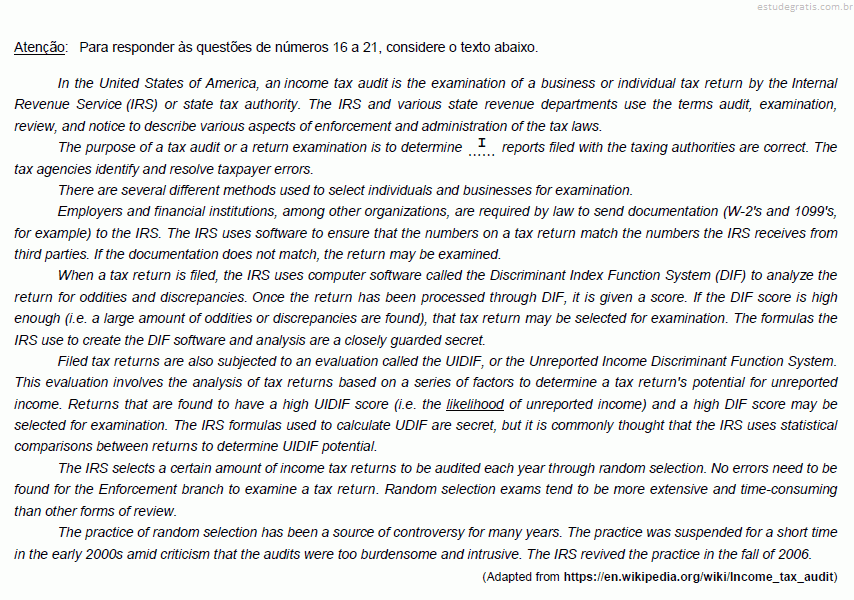 A palavra que preenche corretamente a lacuna I é
 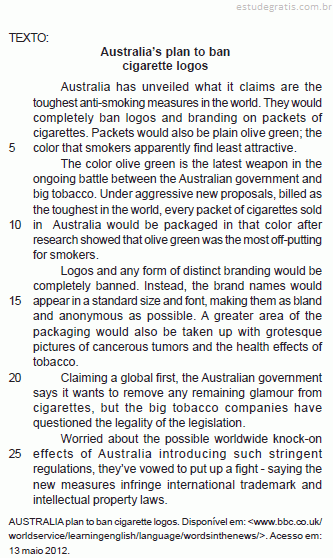 Based on the text, the only pair of opposites is in alternative
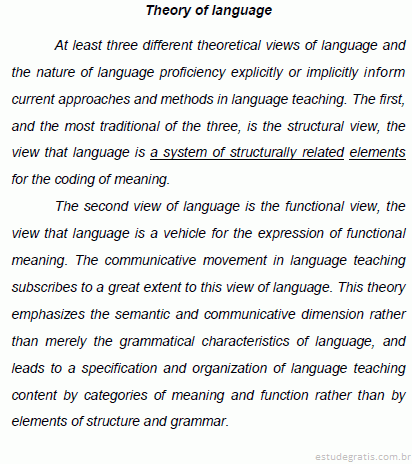
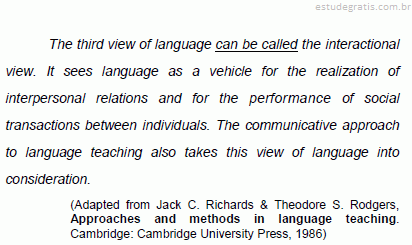
 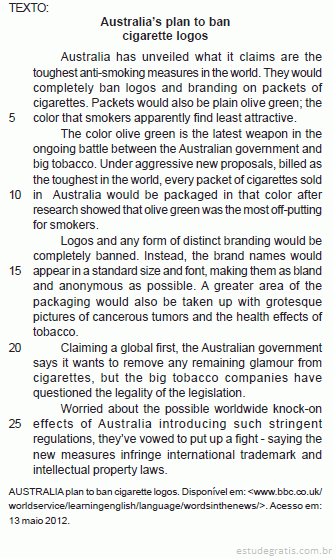 Considering verb forms in the text, it’s correct to say: