401
Q488058
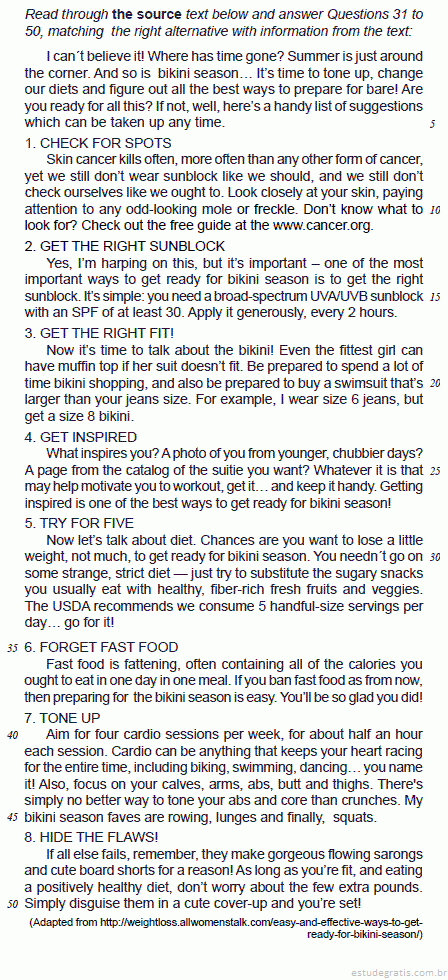 The English verb phrase can be marked for tense and aspect. The use of the perfect tense in “Where has time gone?” (line 1), establishes the following:
 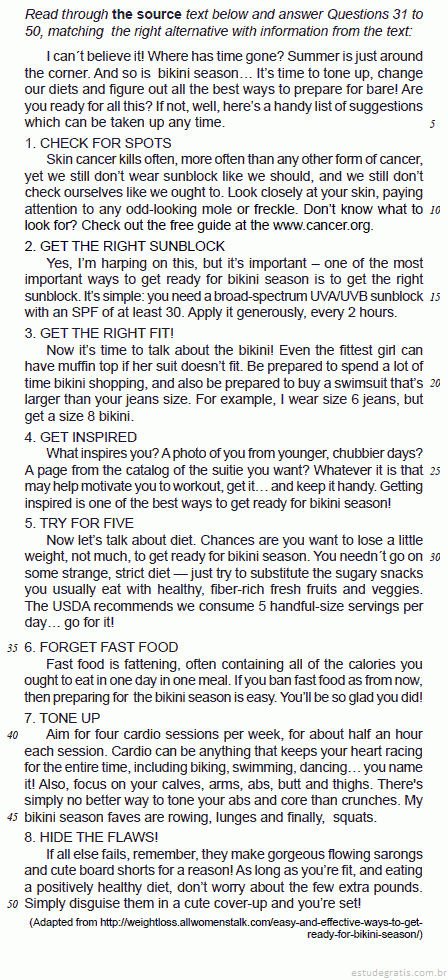 A text is cohesive if, as a whole, its sentences are linked and make sense. An example of cohesion in the source text is “ If not” (line 4), which is characterized by:
 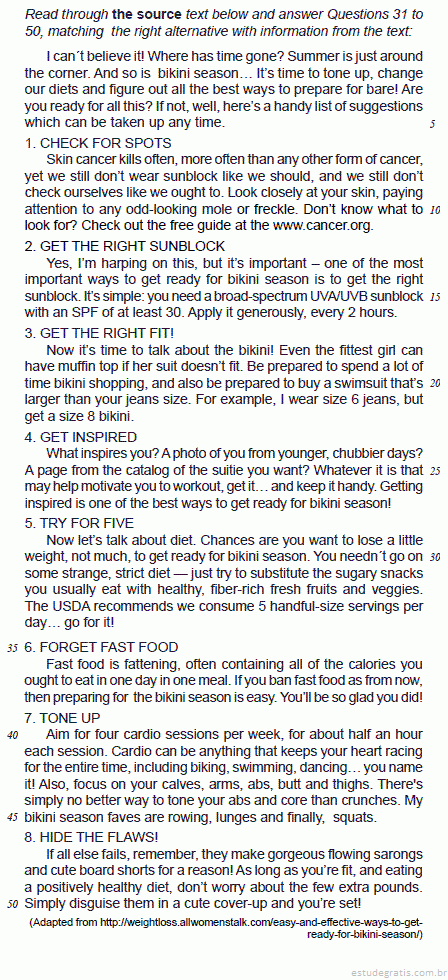 The connective in “Skin cancer kills more young women than any other form of cancer, yet we still don’t wear sunblock” (line 7-8) links the clauses in terms:
 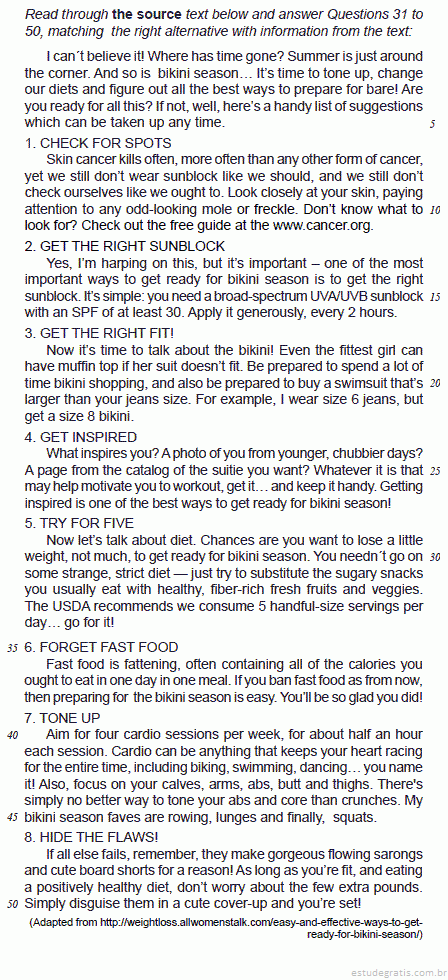 Phrasal verbs are the combination of a verb plus a preposition or adverb, resulting in a new meaning. Prepositional verbs are simply verbs which require prepositions. The only combination below which contains a prepositional verb is:
 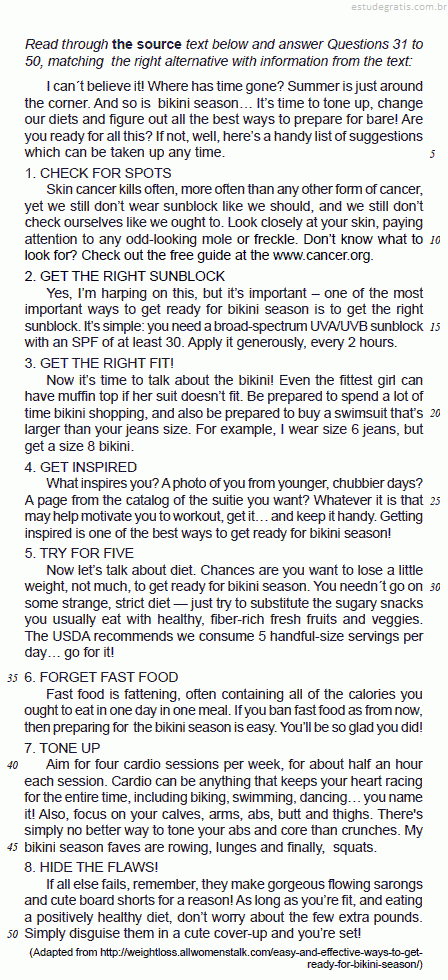 The ING suffix particle may be added to a word in order to turn it into a noun, and adjective or a verb. The alternative which shows the same use of the ING suffix as in” Getting inspired is one of the best ways to get ready for bikini season!“ (line 26-27) is:
 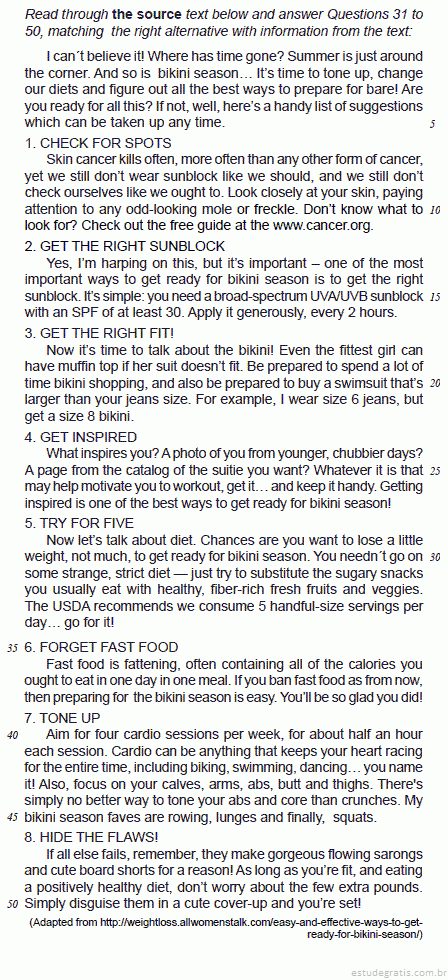 The passive form of: “… they make gorgeous flowing sarongs and cute board shorts for a reason!” (line 47-48) is:
 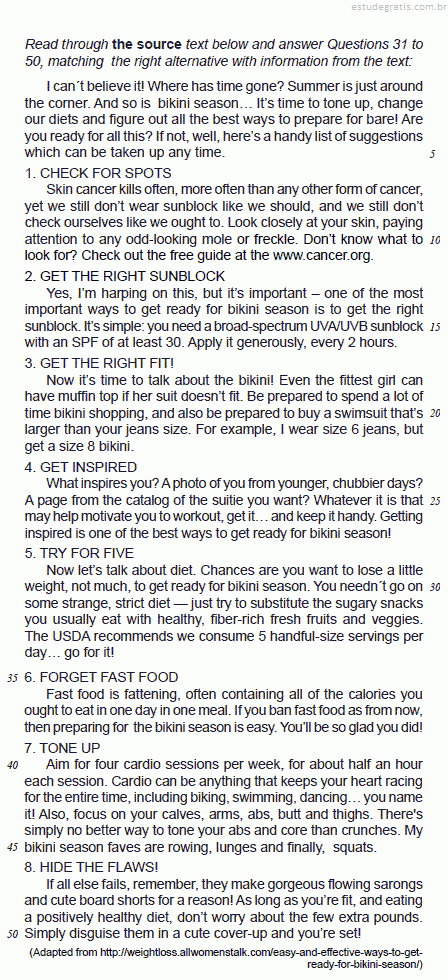 A semi-modal verb in English is a special, non-typical type of verb which behaves like a lexical verb but also expresses modality (Carter and McCarthy, 2006: 395) The modal meaning expressed by the semi-modal in the clause “You needn´t go on some strange, strict diet…” is one of lack of:
 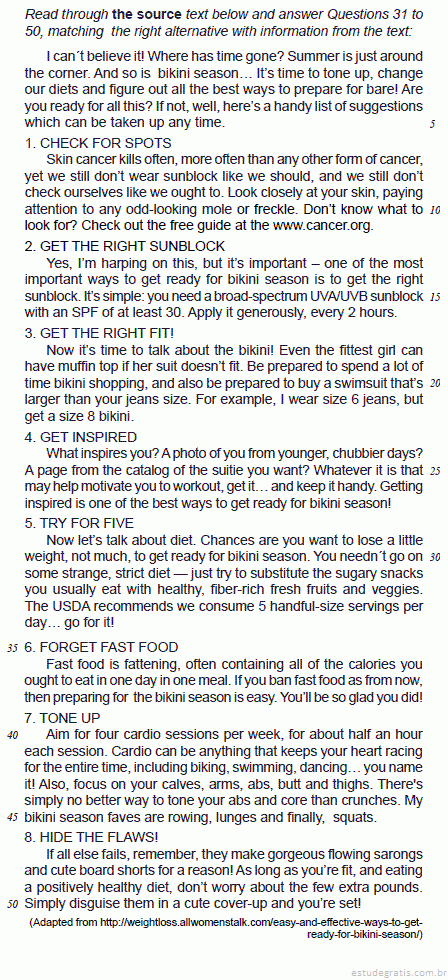 Adjectives describe the features of people and things denoted by nouns or pronouns. On the whole, they cannot be identifi ed by their form, but most typically by their functions in a sentence (Carter and McCarthy, 2006: 236). According to the text, the only sequence that contains words which function as adjectives is :
 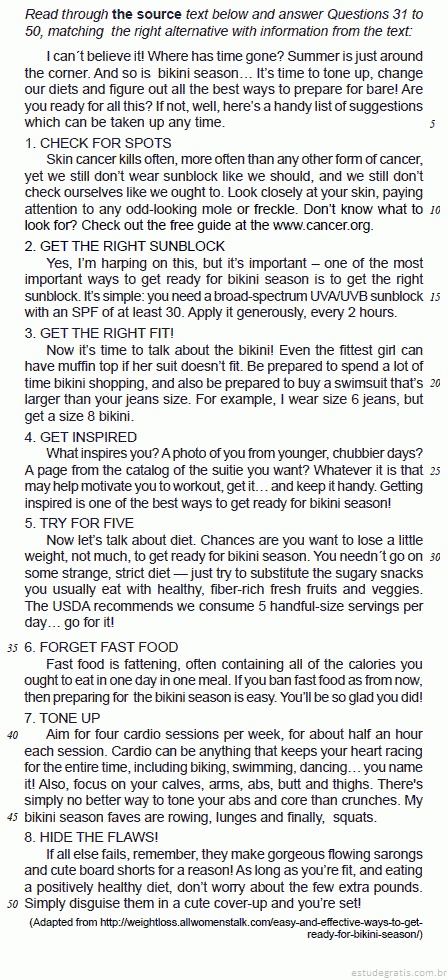 The connection established between the two clauses in the excerpt “As long as you’re fit, …., don’t worry about the few extra pounds”, (line 48-49) may be described as one of: