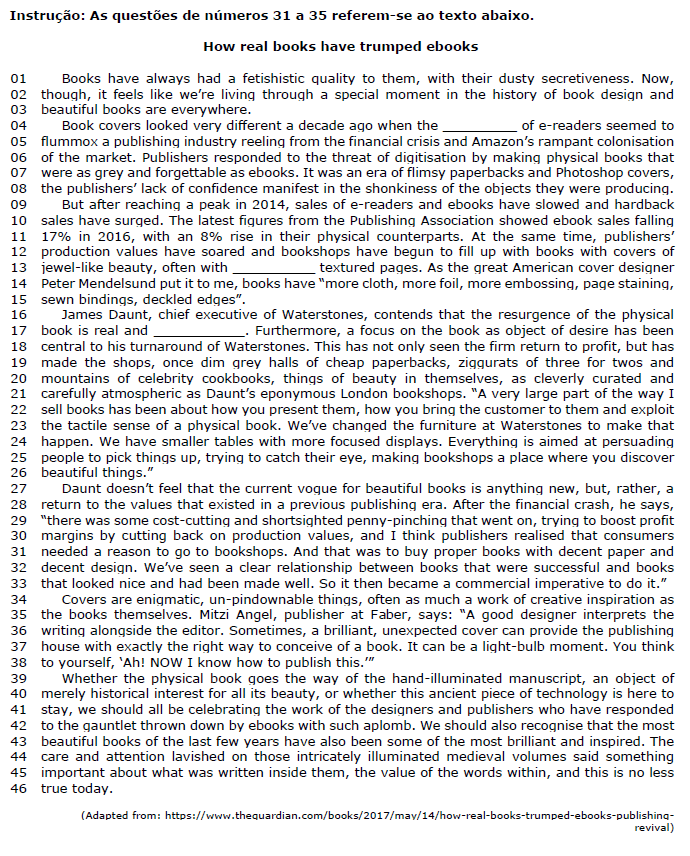
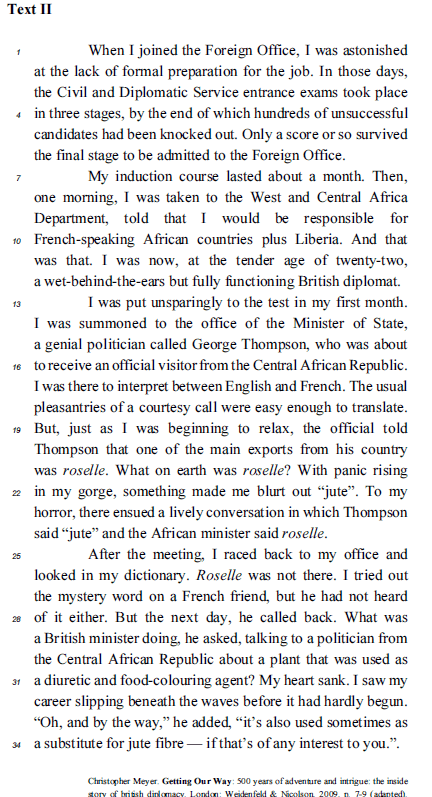
Considering the ideas and the vocabulary of text II, decide whether the statements below are right (C) or wrong (E).
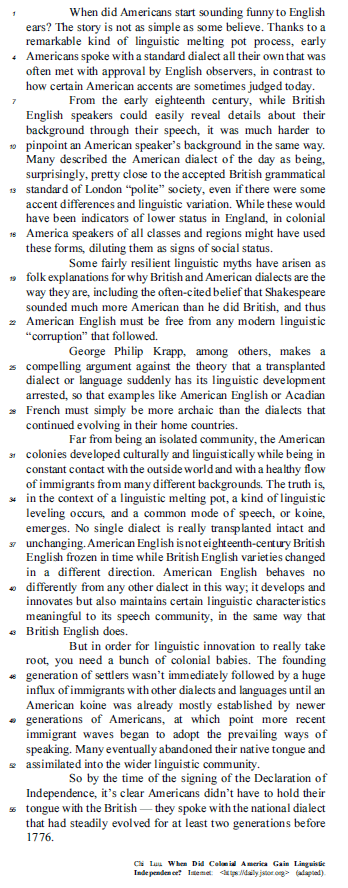
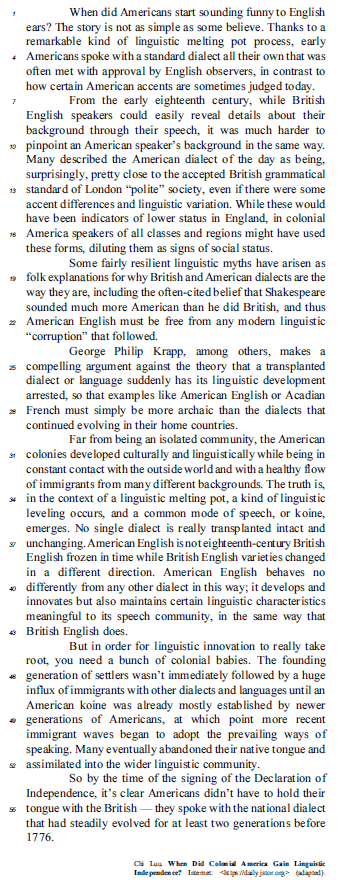
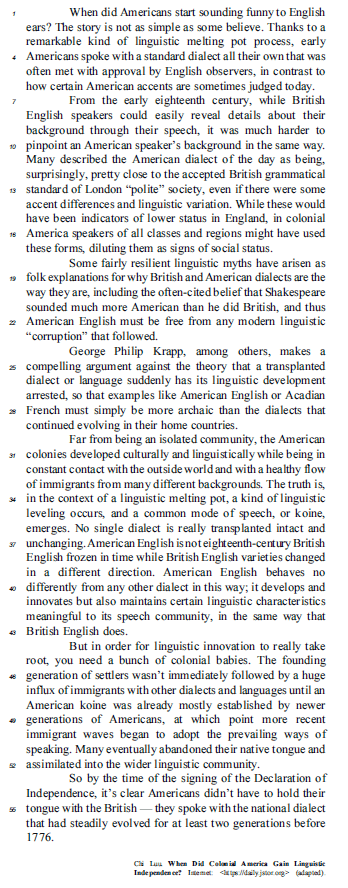
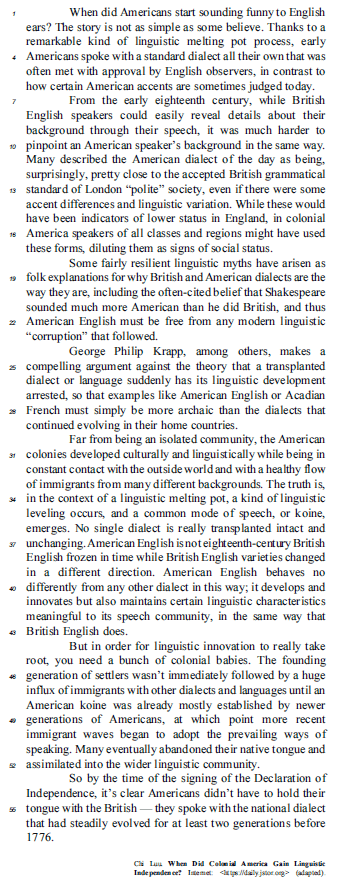
The word genial (l.15) means unusually intelligent.
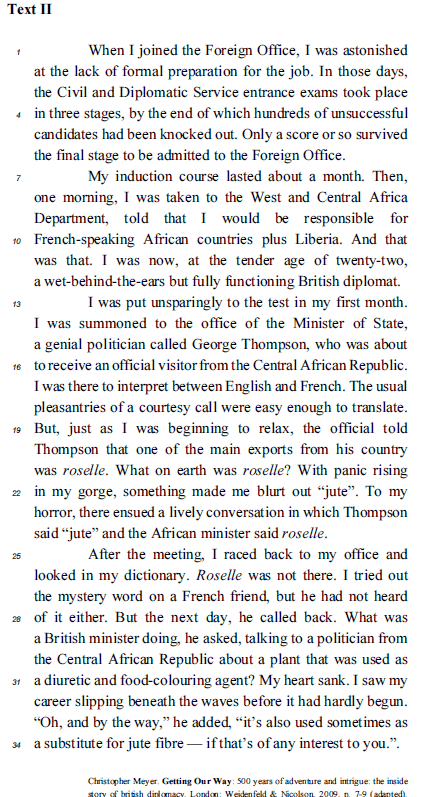
Considering the ideas and the vocabulary of text II, decide whether the statements below are right (C) or wrong (E).
The word genial (l.15) means unusually intelligent.
Decide whether the statements below, which concern the ideas of text II and the vocabulary used in it, are right (C) or wrong (E).
The word unsparingly (l.13) can be correctly replaced by unmercifully, without this changing the meaning of the text.
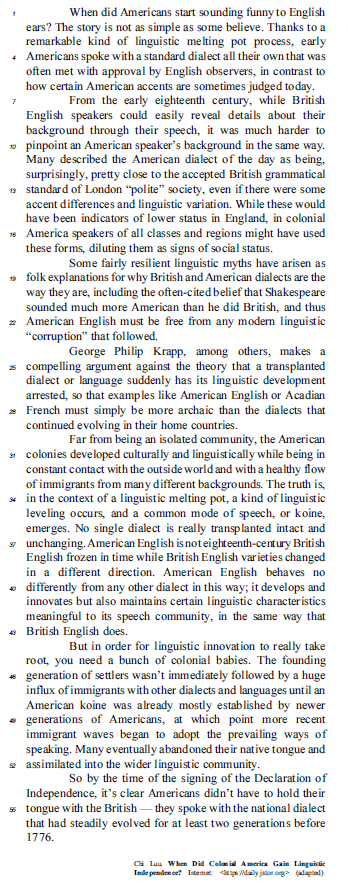
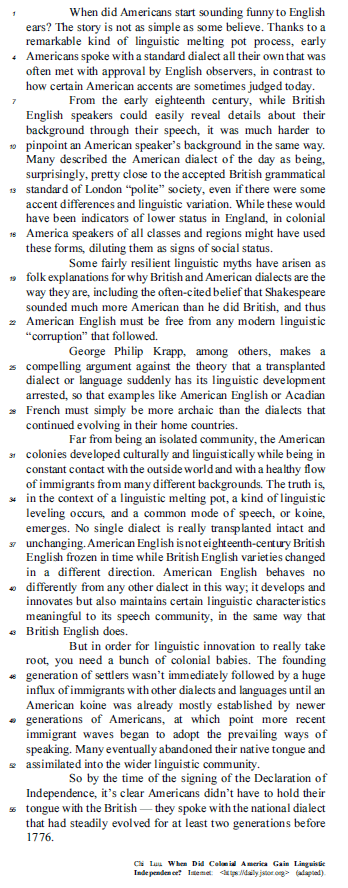
In text IV, without altering the general meaning of the sentence, pinpoint (l.10) could be replaced by (mark right C or wrong E)
ascertain.
In text IV, without altering the general meaning of the sentence, pinpoint (l.10) could be replaced by (mark right C or wrong E)
determine.
In text IV, without altering the general meaning of the sentence, pinpoint (l.10) could be replaced by (mark right C or wrong E)
compare.
In text IV, without altering the general meaning of the sentence, pinpoint (l.10) could be replaced by (mark right C or wrong E)
convey.
Considering the grammatical and semantic aspects of text IV, decide whether the following items are right (C) or wrong (E).
The adjective compelling (l.25) could be replaced by thorough in this particular context.
Considering the grammatical and semantic aspects of text IV, decide whether the following items are right (C) or wrong (E).
The expression hold their tongue with (l.54 and 55) could be replaced by uphold their dialect against without altering the meaning of the sentence.
No fragmento da notícia, a expressão em destaque quer dizer
Mark the alternative that correctly and respectively fills in the blanks (l.04, l.13 and l.17) of the text.