
501
Q484952
Questions 21 to 28 address both the teaching of English as a foreign language and the Parâmetros Curriculares Nacionais – PCN. Read them and mark the right alternative: The orientation which probably best describes the PCN is the focus on:
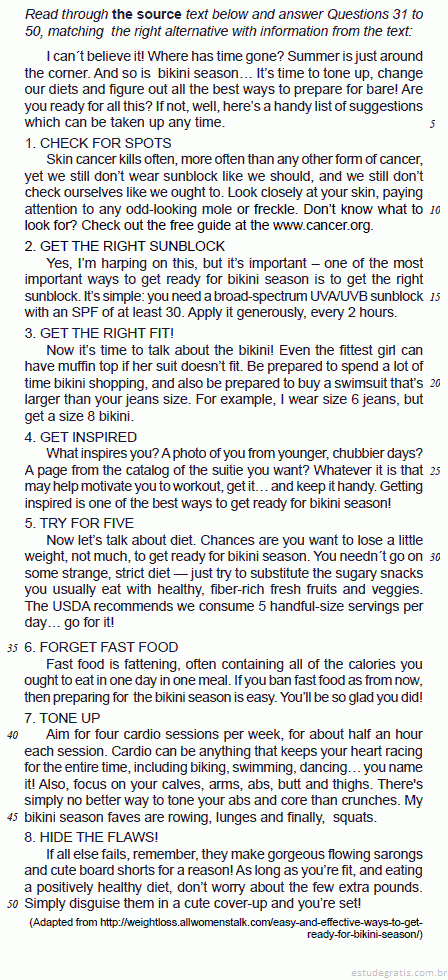 Processes of word formation such as Derivation (“suitie” - (line 25)) and Clipping (“fave” - (line 45)) present in the source text suggest that it aims most specifically at:
 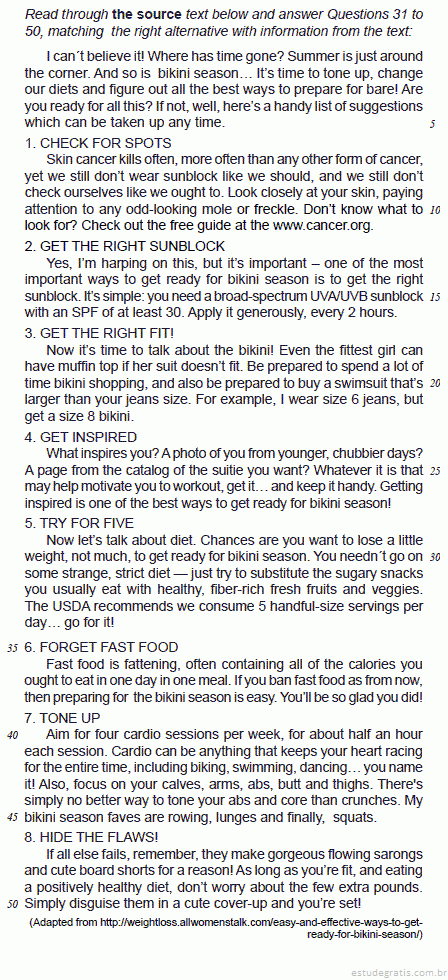 Tag questions are short questions normally used to check information or ask for agreement. The right tag question for “Now let’s talk about diet” (line 29) is:
 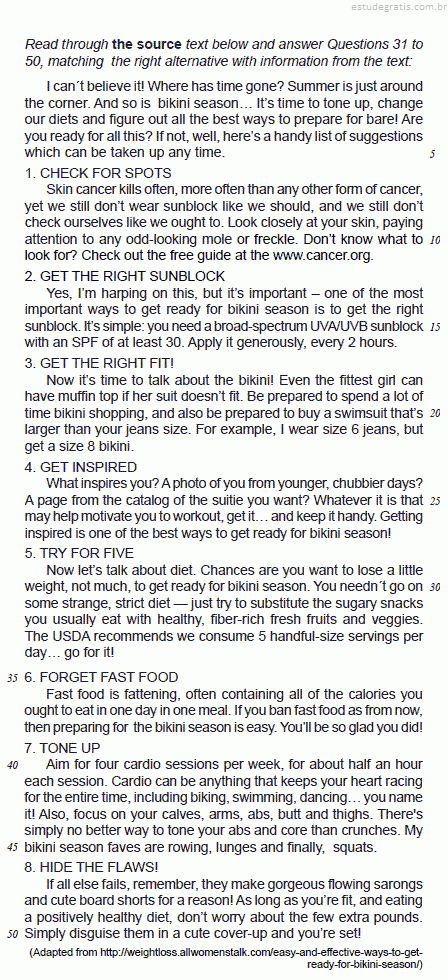 Text, paragraphs and sentences have purposes. The communicative purpose of the excerpt “Cardio can be anything that keeps your heart racing for the entire time, including biking, swimming, dancing… you name it!” (line 41-43) is to:
 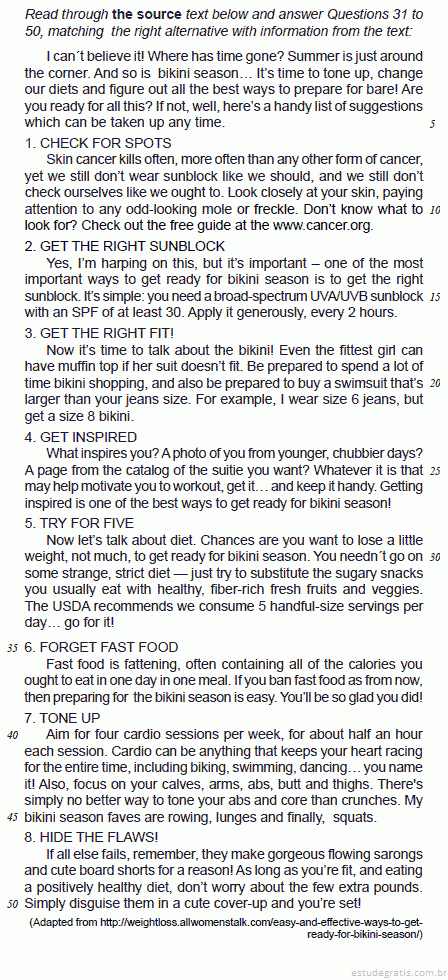 The combination of physical exercises which has been left out of the source text is:
 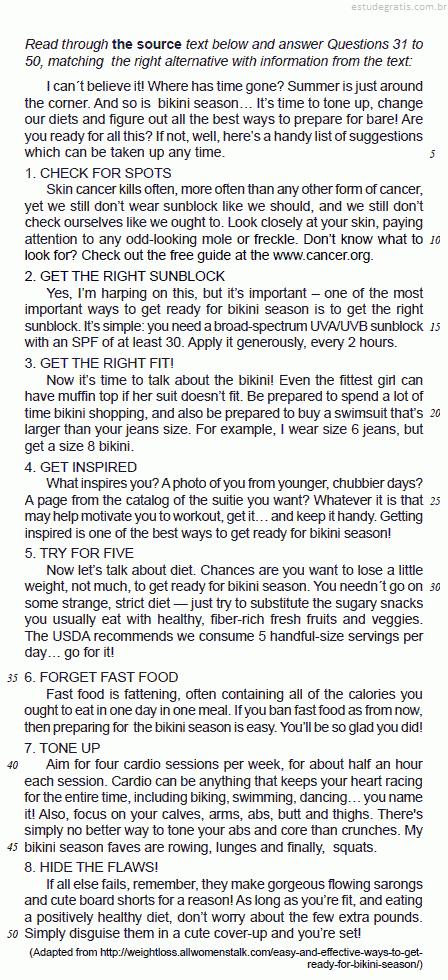 In addition to skin cancer, the author shows two other major concerns in the text. These concerns are:
 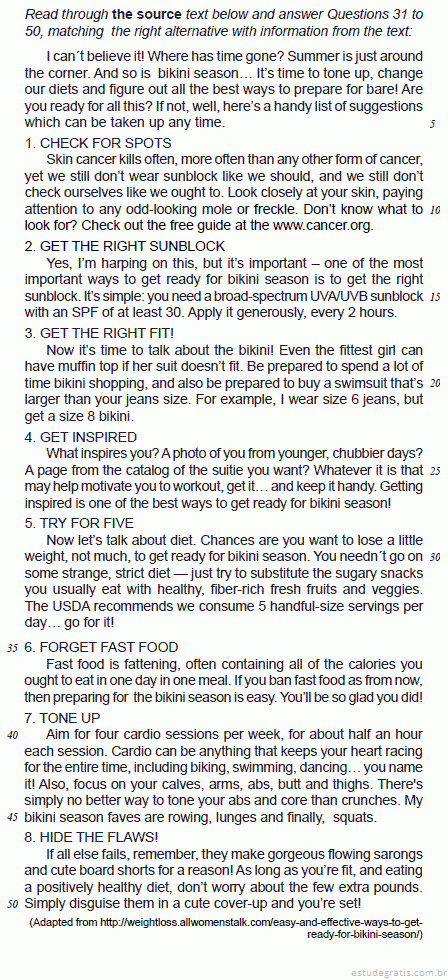 In reported speech, the speaker may choose a specific reporting verb to convey a different (and personal) purpose. The reported structure that presents a summary of “Fast food is fattening” (line 36), according to the text is: The author:
 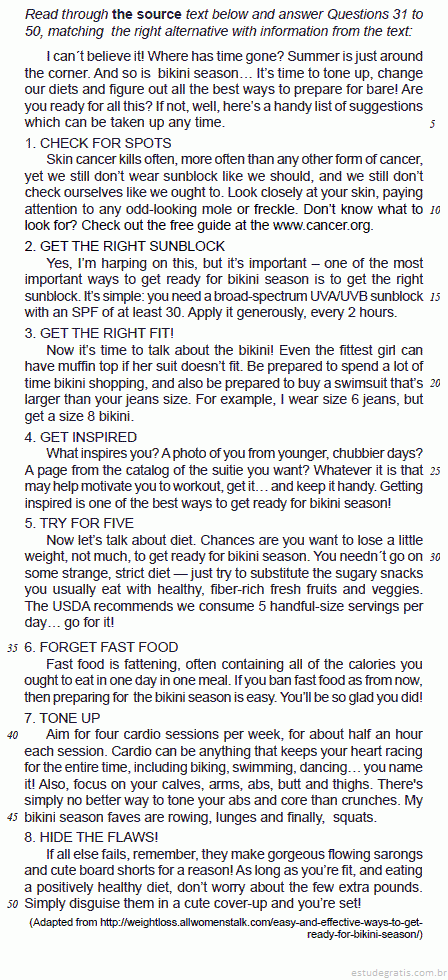 In the source text there is evidence of the writer´s assumption of what his/her target audience is like. The assumption behind the ´handy list´ is that readers: