111 Q877140
Língua Inglesa
Ano: 2020
Banca: GUALIMP
Look at the picture and complete the sentence below with the correct preposition. Choose the CORRECT answer.
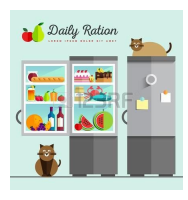


“The watermelon is _________ the fridge.”
112 Q877139
Língua Inglesa
Ano: 2020
Banca: GUALIMP
Complete the sentence below with the modal verb. Choose the CORRECT answer.
“It’s a rule and as students we have no other option. We _________ wear uniforms in school.”
113 Q877138
Língua Inglesa
Ano: 2020
Banca: GUALIMP
Complete the sentence below with the correct verb. Choose the CORRECT answer.
“He told me about his favorite, but I _________ its name.”
114 Q877137
Língua Inglesa
Ano: 2020
Banca: GUALIMP
Look at the sentence below. The word “hard” refers to a specific part of speech. Which one? Choose the CORRECT answer.
“He works “hard” every day. His parents should be proud of him.
115 Q877136
Língua Inglesa
Ano: 2020
Banca: GUALIMP

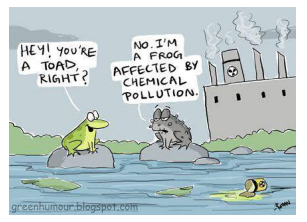
Read the comic strip below and answer the following question. Choose the CORRECT answer.


What is the main idea of the comic strip?

116 Q877135
Língua Inglesa
Ano: 2020
Banca: GUALIMP

Complete the sentence below with the correct verbs. Choose the CORRECT answer.


“He _________ breakfast before he _________ his teeth.”

117 Q877134
Língua Inglesa
Ano: 2020
Banca: GUALIMP
Complete the sentence below with the correct pronoun. Choose the CORRECT answer.
“His cars are nice. He washes _________ every week.”
118 Q877133
Língua Inglesa
Ano: 2020
Banca: GUALIMP

Look at the picture. Based on what you can see, choose the CORRECT answer.


“_________ is our school.”

119 Q877132
Língua Inglesa
Ano: 2020
Banca: GUALIMP
Look at the picture. Based on what you can see, choose the CORRECT answer.


“He _________ his hand if he touches that hot pan.”
120 Q877131
Língua Inglesa
Ano: 2020
Banca: ADM&TEC
On Facebook, Misinformation Is More Popular Now Than in 2016
People are engaging more on Facebook today with news outlets that routinely publish misinformation than they did before the 2016 election.
During the 2016 presidential election, Russian operatives used Facebook, Instagram, Twitter and other social media platforms to spread disinformation to divide the American electorate. Since then, the social media companies have spent billions of dollars and hired tens of thousands of people to help clean up their act.
People are engaging more on Facebook today with news outlets that routinely publish misinformation than they did before the 2016 election, according to new research from the German Marshall Fund Digital, the digital arm of the public policy think tank. The organization...