Based on the ideas and linguistic aspects of the text above, judge the items below.
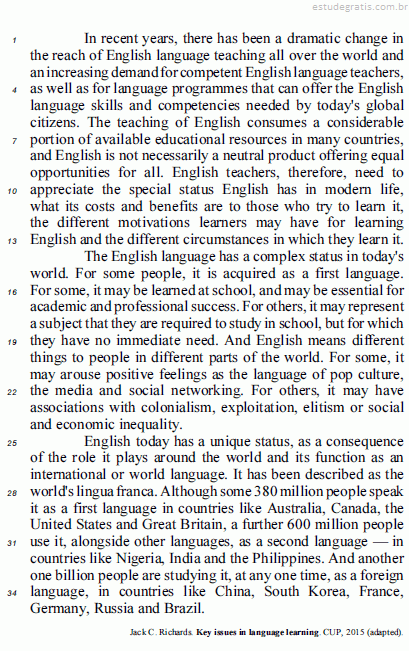
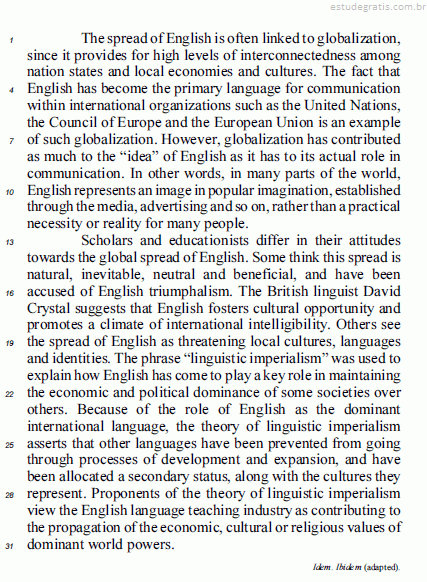
In “Although some 380 million people speak it as a first language” (l. 28 and 29), the word “some” means more than.
Based on the ideas and linguistic aspects of the text above, judge the items below.
In “Although some 380 million people speak it as a first language” (l. 28 and 29), the word “some” means more than.
Concerning the previous text and its linguistic aspects, judge the following items.
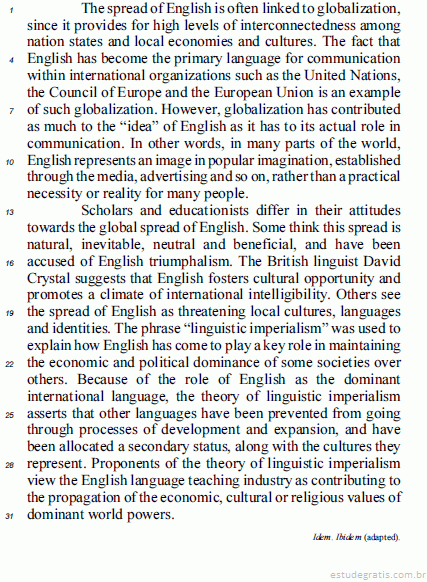
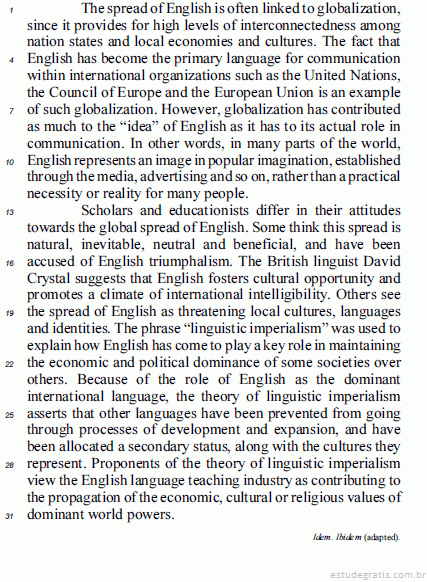
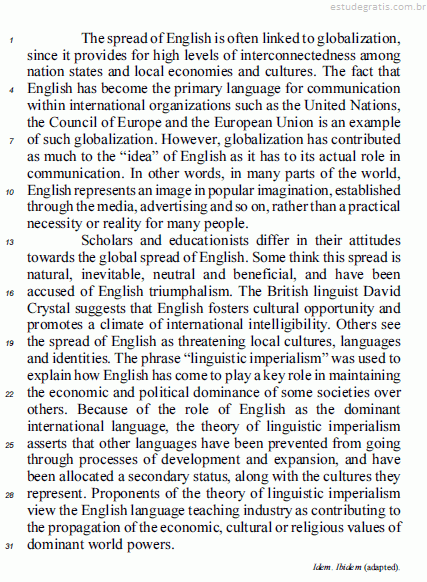
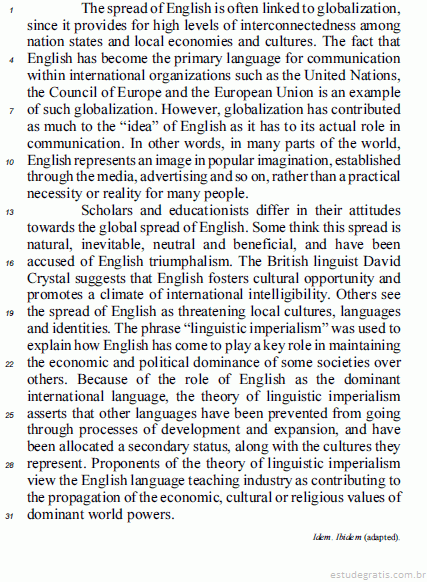
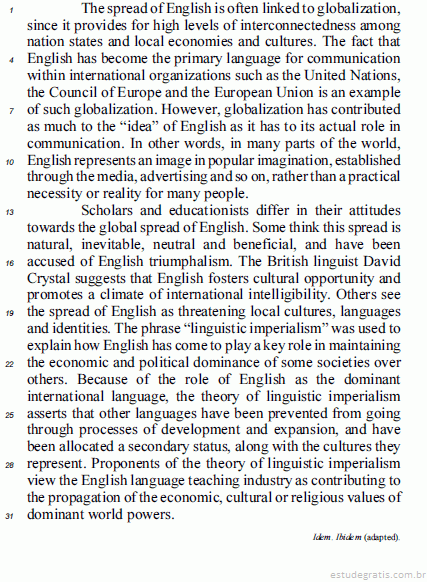
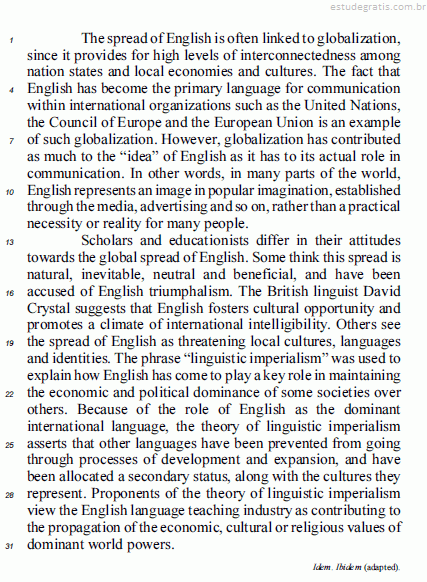
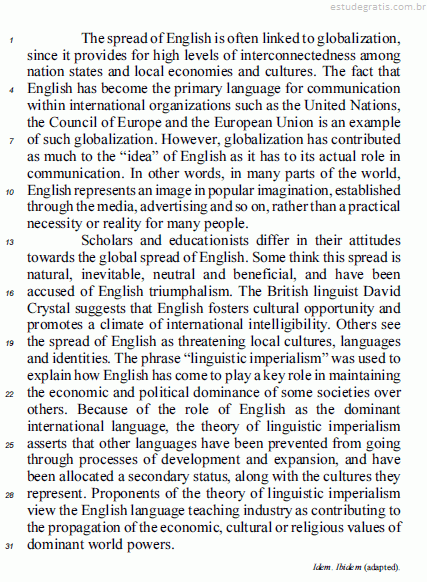
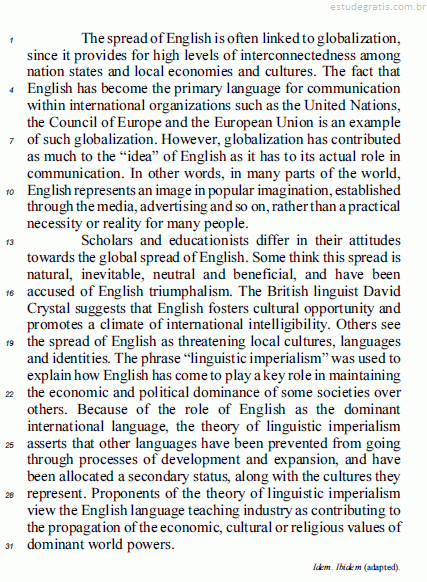
The ideia contained in the fragment “since it provides for high levels of interconnectedness” (l.2) can also be correctly expressed as because it makes profound interconnectedness possible.
Concerning the previous text and its linguistic aspects, judge the following items.
In the text, the words “primary” (l.4) and “dominant” (l.23) mean basically the same thing, both referring to the current status of the English language in the world.
Concerning the previous text and its linguistic aspects, judge the following items.
The expression “In other words” (l.9) means besides.
Concerning the previous text and its linguistic aspects, judge the following items.
According to the text, in some countries, the need to learn, speak or use English is artificially created by powerful ideological means or mechanisms.
Concerning the previous text and its linguistic aspects, judge the following items.
It can be concluded from the text that supporters of the linguistic imperialism view defend the dominant role English plays in the world nowadays.
Concerning the previous text and its linguistic aspects, judge the following items.
The subject of the verbal form “is”, in the fragment “is an example of such globalization” (l. 6 and 7), is “English” (l.4).
Concerning the previous text and its linguistic aspects, judge the following items.
According to the text, it can be said that experts in language seem to hold differing views on the dissemination of English in many parts of the world.
Concerning the previous text and its linguistic aspects, judge the following items.
In the fragment “rather than a practical necessity or reality for many people”(l. 11 and 12), “rather than” means instead of.
Concerning the previous text and its linguistic aspects, judge the following items.
In the passage “The British linguist David Crystal suggests that English fosters cultural opportunity” (l. 16 and 17), the word “that” can be omitted without this making the sentence grammatically incorrect.