
1
Q489707
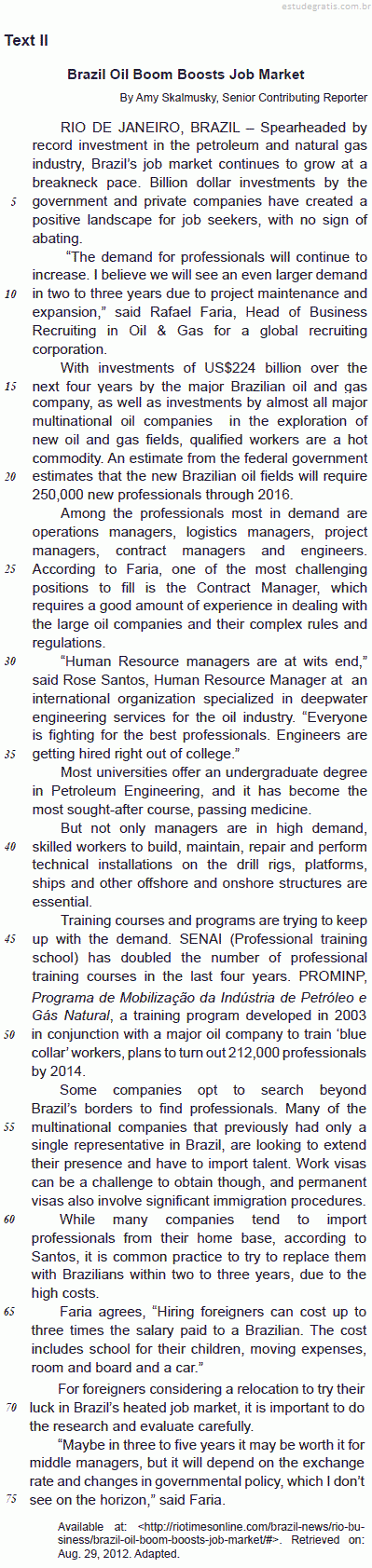 The main intention of Text II is to discuss the
 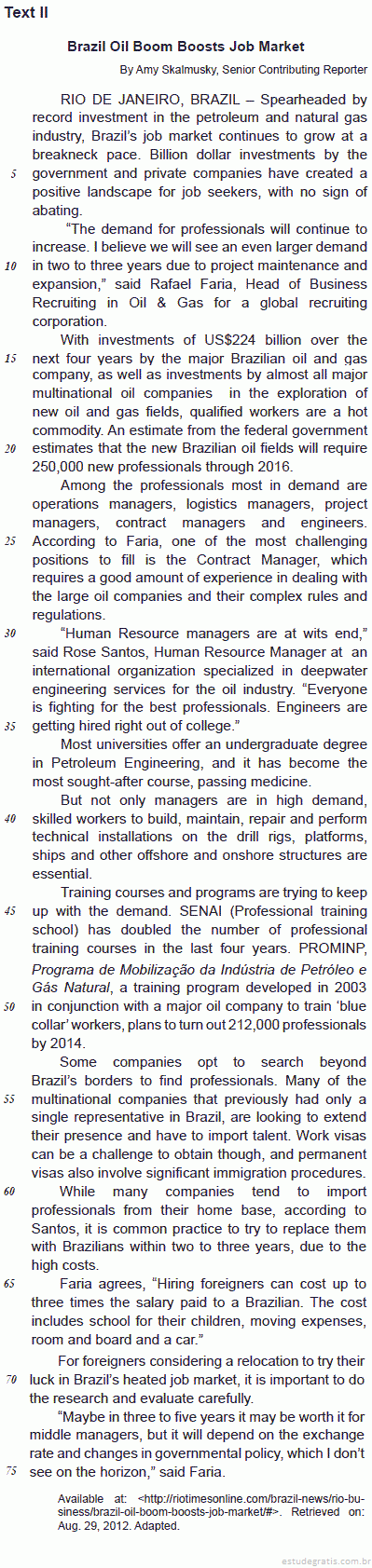 Concerning the future of the oil job market, Text II suggests that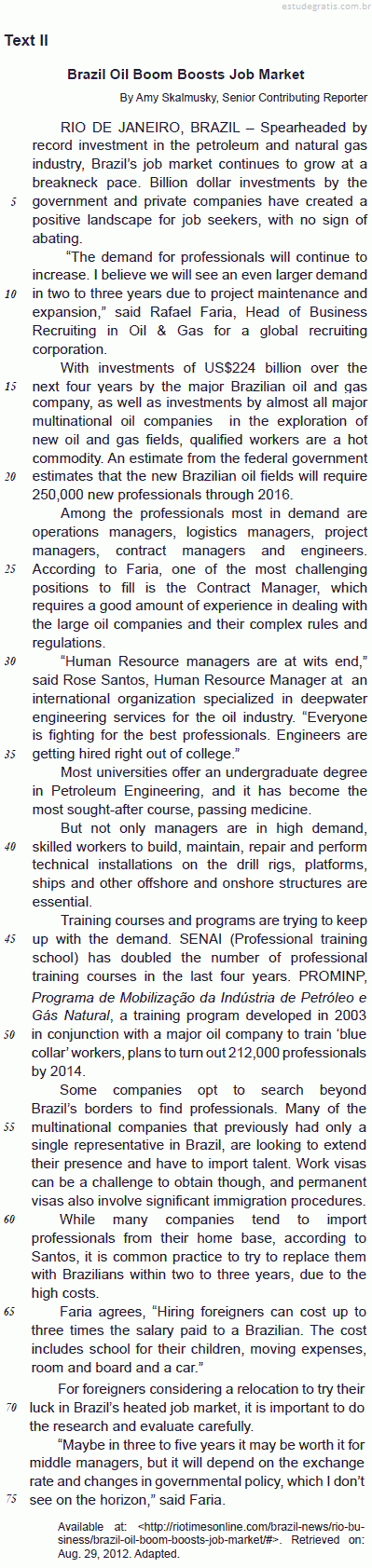

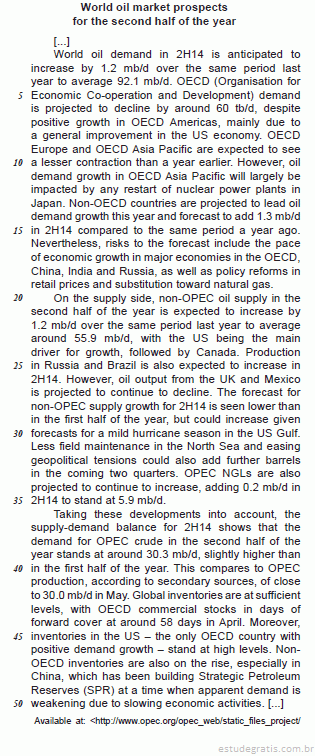 According to Text I, world oil demand in 2H13 was
 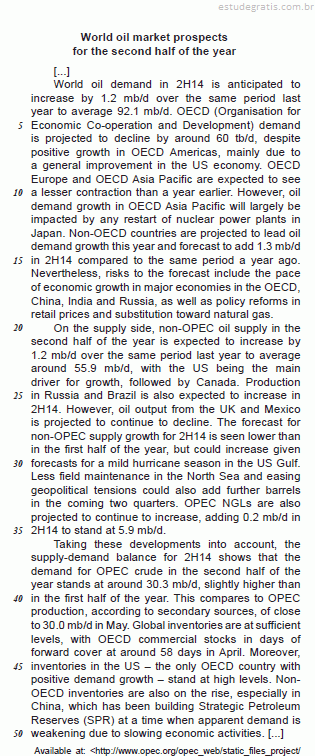 According to Text I, the statement “OECD Europe and OECD Asia Pacific are expected to see a lesser contraction than a year earlier” (lines 8-10) implies that the oil demand in those countries
 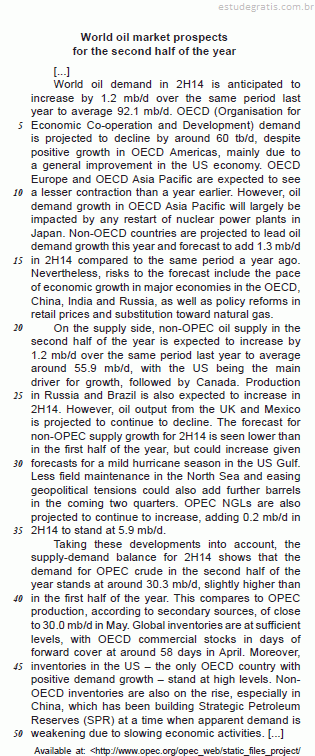 According to Text I, the statement “On the supply side, non-OPEC oil supply in the second half of the year is expected to increase by 1.2 mb/d over the same period last year to average around 55.9 mb/d, with the US being the main driver for growth, followed by Canada” (lines 20-24) implies that
 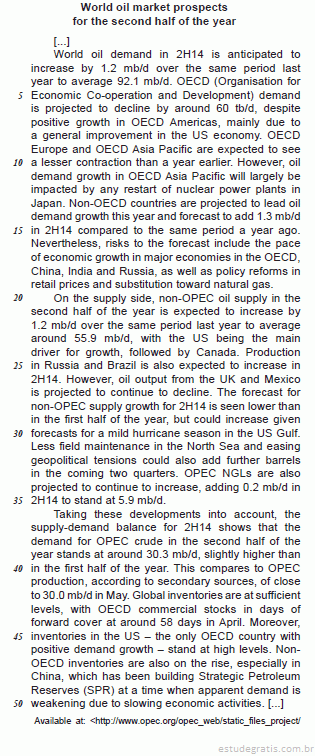 In the fragments of Text I “World oil demand in 2H14 is anticipated to increase” (lines 2-3), “OECD (Organisation for Economic Co-operation and Development) demand is projected to decline” (lines 5-6), “oil demand growth in OECD Asia Pacific will largely be impacted” (lines 11-12), “Production in Russia and Brazil is also expected to increase” (lines 24-25) the boldfaced verb forms indicate
 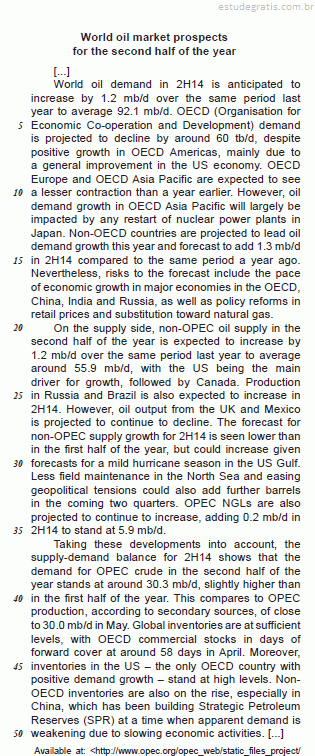 The words of Text I: output (line 26), mild (line 30), balance (line 37) and inventories (line 42) may be replaced, without change in meaning, respectively, by:
 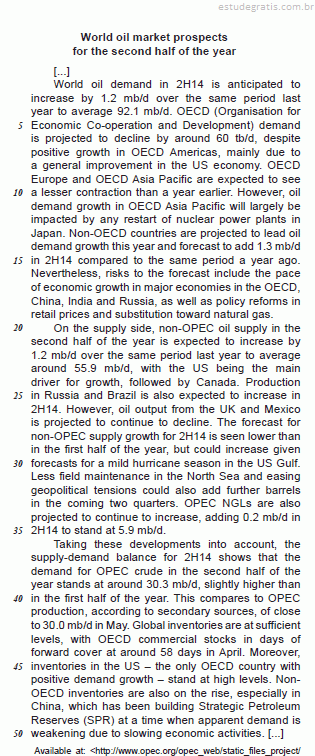 In the following fragment of Text I: “Less field maintenance in the North Sea and easing geopolitical tensions could also add further barrels in the coming two quarters.” (lines 31-33) the word quarters means a(an)
 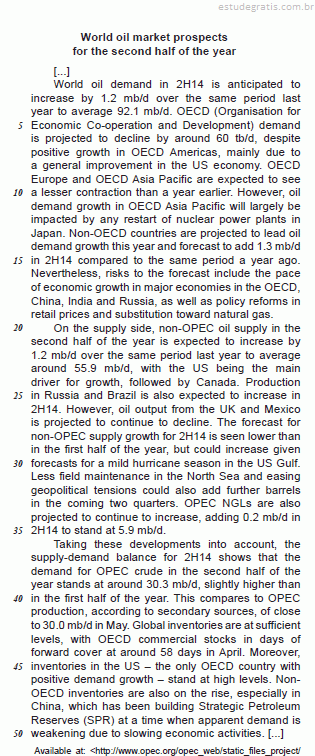 In the fragment of Text I “Less field maintenance in the North Sea and easing geopolitical tensions could also add further barrels in the coming two quarters.” (lines 31-33), the expression easing geopolitical tensions means geopolitical tensions that are