Based on the text above, it is correct to affirm that
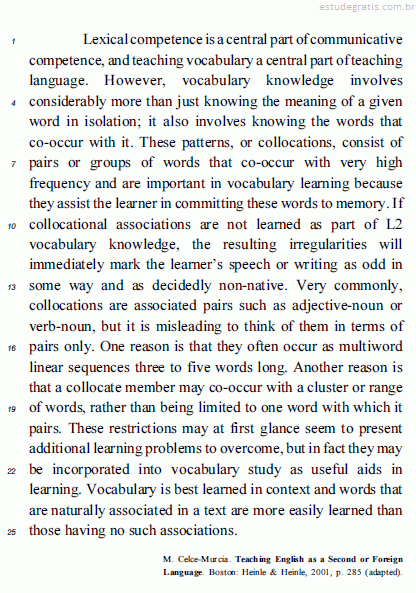
collocational associations work as memory aids.
Based on the text above, it is correct to affirm that
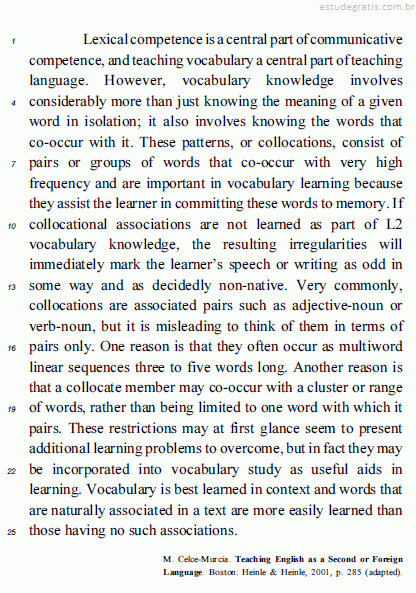
collocational associations work as memory aids.
Based on the text above, it is correct to affirm that
collocations represent a more advanced type of word knowledge that should be left to higher-level students who are enhancing and consolidating vocabulary learned.

Based on the text above, judge the items from 84 through 98.
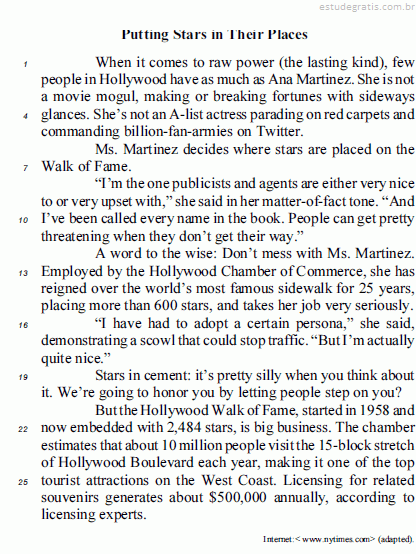
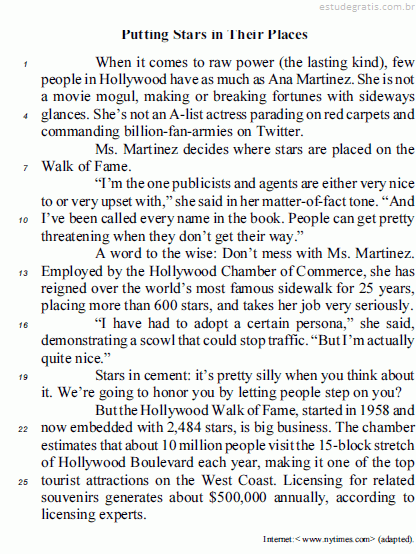
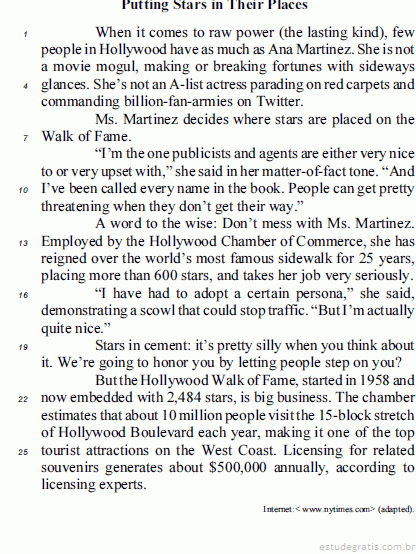
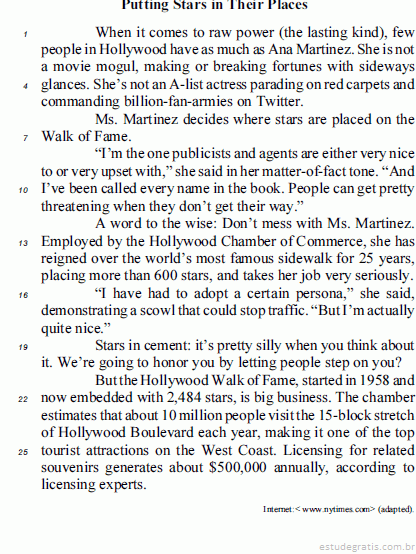
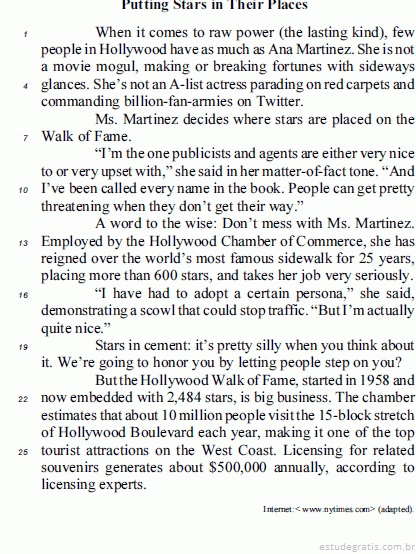
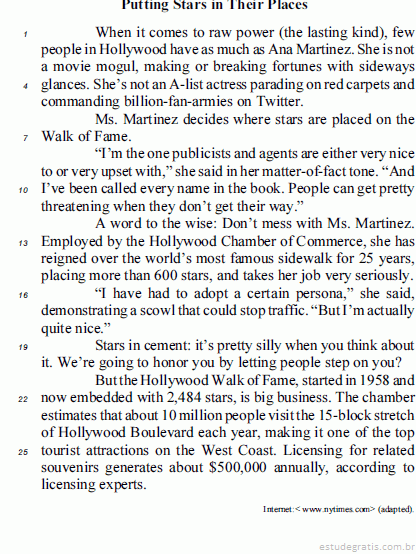
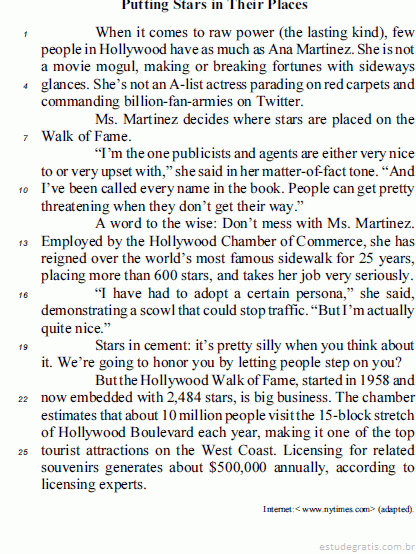
There is a syntactical incoherence in the first sentence, since “few” (l.1), which is used for countable nouns, and “much” (l.2), used for uncountable, are used simultaneously.

Based on the text above, judge the items from 84 through 98.
In line 9, “matter-of-fact” is spelt with hyphens to indicate it is an adverb modifying “tone”.

Based on the text above, judge the items from 84 through 98.
In line 12, “Don’t mess with Ms. Martinez.” is a piece of advice made more emphatic by the use of the imperative.

Based on the text above, judge the items from 84 through 98.
“Employed” (l.13) is a verb in the past tense.

Based on the text above, judge the items from 84 through 98.
The excerpt “she has reigned over the world’s most famous sidewalk for 25 years” (l.13-14) is an example of the use of present perfect continuous.

Based on the text above, judge the items from 84 through 98.
Adapted from the excerpt “it’s pretty silly when you think about it” (l.19-20), the following is a correct question-tag construction: it’s pretty silly when you think about it, don’t you?

Based on the text above, judge the items from 84 through 98.
The preposition “in” in the fragment “in 1958” (l.21) can be replaced by on without this constituting a violation of any syntactical rule.

Based on the text above, judge the items from 99 through 106.
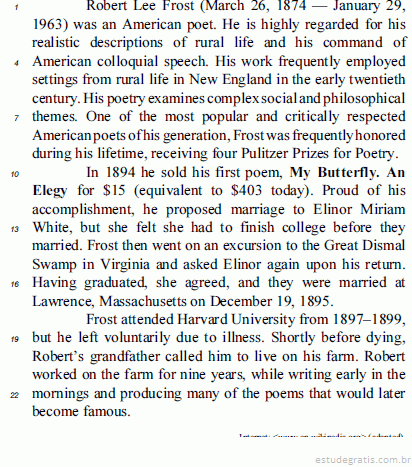
The words “highly” (l.2), “frequently” (l.4) and “critically” (l.7) are examples of adverbs.